Executive Summary
In today’s dynamic business landscape, mastering change and transformation is critical for organizational success. This article explores the key challenges organizations face during transformation initiatives, including poorly defined strategies, resistance to change, weak leadership, and outdated systems.
It provides actionable strategies to address these challenges, such as building comprehensive plans, engaging stakeholders, and leveraging agile methodologies. Enhanced with real-world case studies, the article illustrates how these strategies are applied effectively. It also delves into the human element of change management, emphasizing leadership, commitment, and inclusive processes.
Tools like Aspire ID8 are highlighted for their ability to diagnose challenges and create tailored action plans. By combining strategic foresight, strong leadership, and continuous adaptation, organizations can achieve sustainable growth and resilience in a constantly evolving environment.
Key Challenges & Proven Strategies in Business Change and Transformation
1. Incomplete or Poorly Defined Strategy
Many transformation efforts fail before they begin due to a lack of a comprehensive, clearly articulated strategy. Leaders often emphasize what needs to change and why but neglect the how. Without a detailed roadmap, change efforts lack direction, alignment, and coherence – leaving teams confused and uncommitted.
- Case Study: Global Retail Chain Turnaround: A £500m retail chain struggled with a poorly defined digital transformation strategy, leading to misaligned priorities across departments. By conducting a SWOT analysis and adopting Kotter’s 8-Step Model, the company clarified its roadmap, aligning teams and achieving a 15% increase in online sales within 12 months.
- Action: Build a Comprehensive Change Strategy: Start with a clear, structured plan that addresses the why, what, and how of transformation. Use proven frameworks like Kotter’s 8-Step Model, Lewin’s Change Theory, or Prosci’s ADKAR Model to guide planning. Conduct a thorough SWOT analysis and scenario planning to anticipate obstacles and prepare mitigations.
- Case Study: Pharmaceutical R&D Overhaul: A £2bn pharmaceutical company used Prosci’s ADKAR Model to streamline its R&D processes. A detailed roadmap reduced project delays by 40% and accelerated drug development timelines.
2. Weak Leadership and Lack of Vision
Transformation requires visible, committed leadership. When executives fail to champion change, provide clear direction, or allocate sufficient resources, momentum stalls. Without leadership that models the desired change, trust and morale deteriorate quickly.
- Case Study: Tech Startup Scaling Challenges: A £50m tech startup’s growth stalled due to unclear leadership during a restructuring. By appointing a dedicated change champion and aligning executives on a shared vision, the company regained momentum, doubling its customer base in 18 months.
- Action: Activate Strong, Committed Leadership: Successful change requires more than executive endorsement—it needs leadership in action. Identify and empower change champions who can articulate a compelling vision, model desired behaviours, and maintain momentum through challenges.
- Case Study: Insurance Firm Leadership Alignment: A £250m insurance firm’s transformation stalled due to misaligned leadership. Appointing a cross-functional leadership team and regular strategy alignment sessions led to a 30% improvement in project delivery timelines.
3. Organisational Resistance to Change
Resistance – whether passive or active – is a near-universal challenge. Employees may fear job loss, disruption to routines, or the unknown. Left unaddressed, this resistance can lead to reduced engagement, lower productivity, and stalled initiatives.
- Case Study: Manufacturing Firm ERP Adoption: A £200m manufacturing firm faced employee pushback during an ERP system rollout due to fears of job redundancy. By implementing regular town halls and feedback sessions, leadership reduced resistance, resulting in 80% employee adoption within six months.
- Action: Engage and Empower Stakeholders: Transformation is most effective when it’s inclusive. Involve stakeholders early and often. Create forums for feedback, co-creation, and collaboration. Empowering employees cultivates ownership, reduces resistance, and fosters a sense of shared purpose.
- Case Study: Retail Employee Engagement: A £150m retailer empowered store managers to co-create a new inventory system, reducing resistance and improving system adoption by 85% within six months.
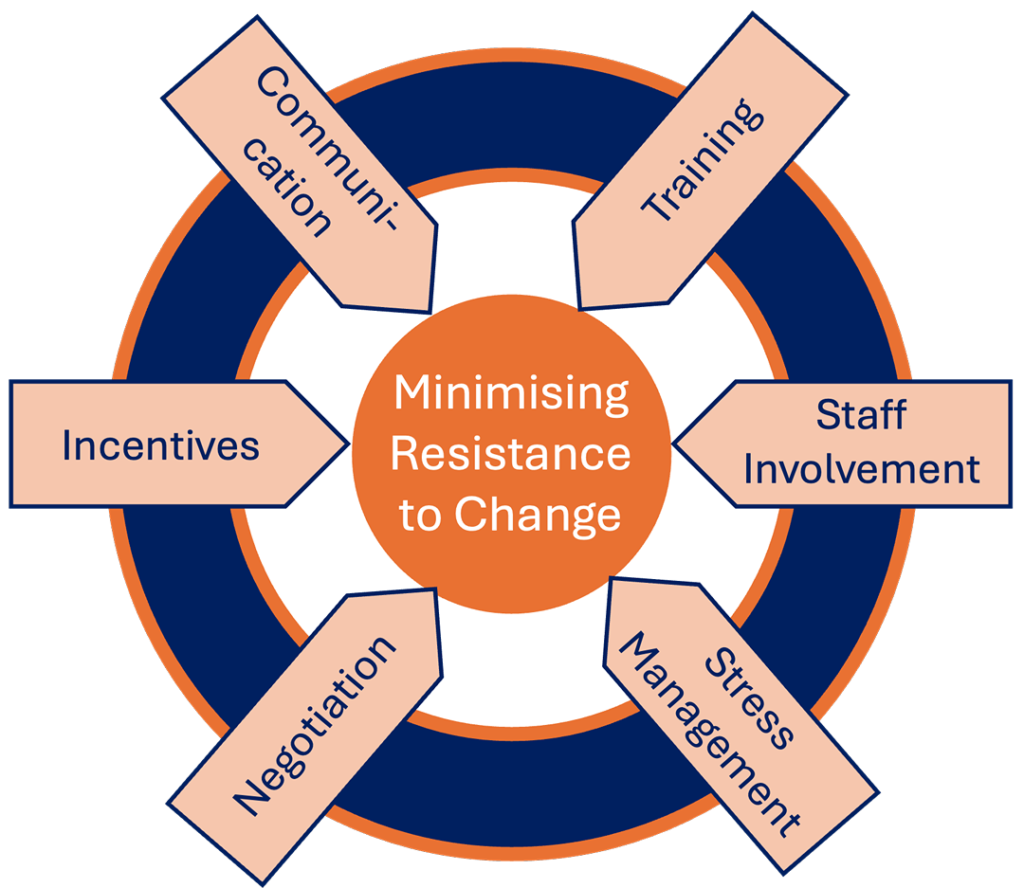
Figure 1 Minimising Resistance to Change
4. Poor Communication and Limited Engagement
Communication breakdown is a common and costly oversight. Inconsistent, unclear, or infrequent messaging fosters confusion, fuels rumours, and weakens employee buy-in. Change communication must be two-way, frequent, and tailored to audience needs.
- Case Study: Financial Services Merger: During a £1bn bank merger, poor communication led to widespread uncertainty among staff. Introducing a multi-channel communication plan, including weekly updates and Q&A sessions, increased employee engagement by 25% and ensured a smoother integration.
- Action: Communicate with Purpose and Clarity: Effective communication is continuous, transparent, and strategic. Use diverse channels to reach all stakeholders. Clarify the impact of change at every level and celebrate progress visibly. Messaging should be consistent, relevant, and emotionally intelligent.
- Case Study: Telecom Customer Experience Revamp: A £1.5bn telecom company used tailored communication campaigns to align 10,000 employees on a customer experience overhaul, boosting customer satisfaction scores by 15%.
5. Outdated Systems and Process Complexity
Legacy technologies and rigid processes pose significant barriers to change. They increase costs, reduce flexibility, and can overwhelm teams trying to implement new solutions. Addressing technical debt is essential for building a scalable, modern organization.
- Case Study: Logistics Company System Upgrade: A £300m logistics firm struggled with outdated warehouse management systems. By prioritizing phased upgrades and agile implementation, they reduced operational downtime by 30% and improved order fulfilment efficiency.
- Action: Modernise Systems Through Agile Implementation: Avoid “big bang” overhauls. Instead, take a phased approach to technology upgrades. Prioritize high-impact systems, focus on interoperability, and ensure strong user training and support. Embrace agile methodologies to build momentum and adaptability.
- Case Study: E-Commerce Platform Upgrade: A £100m e-commerce firm adopted agile methodologies to modernize its platform, reducing deployment time by 50% and increasing site reliability by 20%.
6. Talent and Capability Gaps
Successful transformation depends on people. If employees lack the skills needed for new systems or roles, change will fail to stick. Too often, organizations underestimate the need for targeted upskilling and talent development.
- Case Study: Healthcare Provider Digital Shift: A £100m healthcare provider faced skill gaps during a telemedicine rollout. A targeted training program upskilled 90% of staff within three months, enabling seamless adoption and a 20% increase in patient consultations.
- Action: Invest in Talent and Culture Development: Support your people through training, coaching, and clear career development pathways. Build a culture of continuous learning where innovation and adaptability are rewarded. This not only boosts performance but also future proof your workforce.
- Case Study: Automotive Workforce Upskilling: A £500m automotive manufacturer invested in AI training for 2,000 employees, resulting in a 25% productivity increase and positioning the company as an industry innovator.
7. Failure to Monitor Progress and Adjust
Transformation is not a linear journey. Organizations that fail to track progress or remain rigid in their approach risk missing key warning signs or opportunities. Ongoing evaluation and course correction are essential for sustained success.
- Case Study: Energy Sector Compliance Project: A £400m energy company’s compliance initiative faltered due to lack of progress tracking. Implementing real-time KPI dashboards allowed them to identify bottlenecks early, achieving regulatory compliance three months ahead of schedule.
- Action: Measure Progress and Adapt Continuously: Define clear KPIs aligned with transformation goals. Regularly review data, collect feedback, and adjust strategies based on evidence. Transformation should be treated as a living process—flexible, iterative, and responsive to change.
- Case Study: Utility Process Optimization: A £300m utility company used real-time analytics to track a process optimization initiative, identifying inefficiencies early and saving £10m annually.
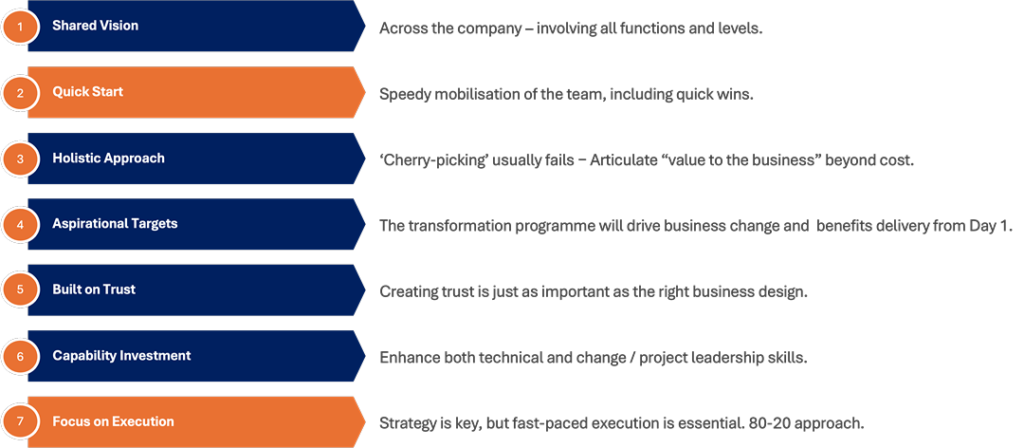
Figure 2 Seven Key Success Criteria for Transformation Programmes
Transform with Purpose, Lead with Clarity
Business change and transformation are no longer optional – they are existential imperatives. The path is challenging, but not insurmountable. By combining strategic foresight with inclusive leadership and relentless execution, organisations can overcome resistance, unlock innovation, and build lasting resilience.
As a team who have supported numerous clients through transformative journeys, we’ve seen firsthand that the most successful efforts are not those that move the fastest – but those that move with clarity, consistency, and commitment. Transformation done right enables not just survival, but sustainable growth in a world that refuses to stand still.
World class practitioners understand that analysing the complexity of a potential change or transformation programme is the key to unlocking a pragmatic appreciation of comparative risk and the skill level required of programme leaders.
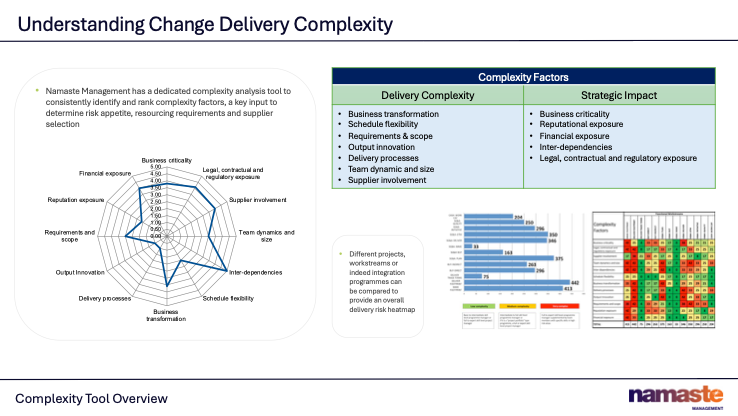
Figure 3 Namaste Management Change Programme Delivery Complexity Analysis Tool
Change Management: A Focus on People
Change is happening all the time – it appears to be the main consistent feature of life today. In industry and commerce, things have accelerated. Organizational structures are in constant flux – shifting between centralization and decentralization, mergers and de-mergers, management buyouts, and the rise of part-time, contract, and temporary workers. The global economic and political landscape is increasingly volatile, amplifying risk and uncertainty.
Reassuringly, change is not new. Individuals react differently to change based on their personalities, expectations, and past experiences. Well-managed change can lead to enthusiastic and committed individuals; poorly managed change can result in de-motivation, stress, and significant loss of intended benefits.
- Case Study: Media Company Restructuring: A £200m media firm faced high turnover during a restructuring due to poor change management. By introducing peer-led support groups and transparent leadership communication, they reduced attrition by 20% and restored employee morale.
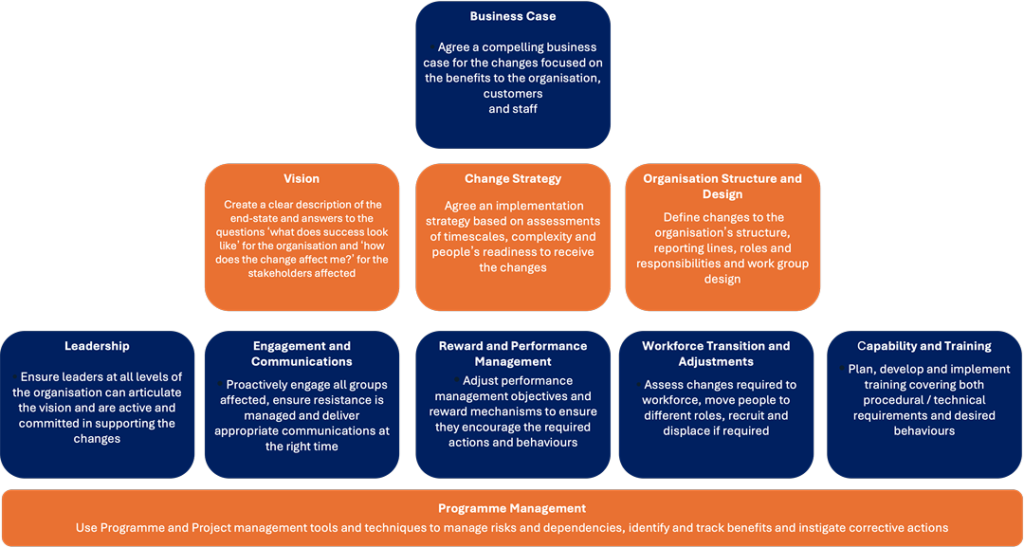
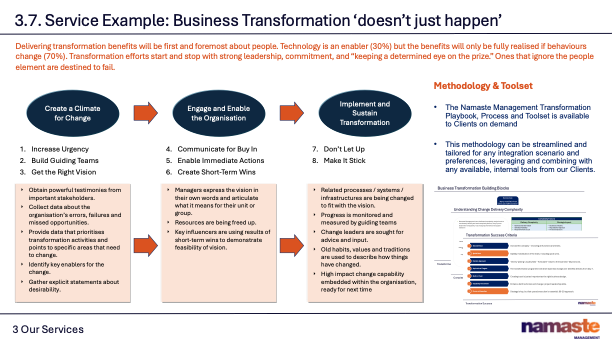
Figure 4 Business Transformation Building Blocks
As leaders, understanding the human impact of change is critical. Common mistakes in change programmes include:
- Too much complacency: A sense of urgency is required. For example, a £50m tech firm’s M&A project gained traction only after leadership emphasized its strategic importance, rallying cross-departmental support.
- No powerful guiding coalition: Change requires influential leaders. A £100m logistics company’s transformation succeeded after forming a coalition of senior executives and department heads to drive accountability.
- No vision: Without a clear vision, a £75m retailer’s digital transformation dissolved into disconnected projects, but a documented strategic plan realigned effort, boosting online revenue by 10%.
- No communication of the vision: A £300m construction firm overcame employee resistance to a safety initiative by clearly communicating its benefits, reducing workplace incidents by 15%.
- Obstacles that block the vision: Bureaucracy stalled a £150m healthcare provider’s IT upgrade until streamlined approval processes were implemented, accelerating delivery by 25%.
- No short-term wins: A £80m software company maintained momentum in a multi-year transformation by celebrating milestones, increasing team engagement by 30%.
- Victory declared too soon: A £200m energy firm’s premature declaration of success led to regression, but sustained monitoring ensured long-term compliance with new regulations.
Managerial mindset is behind many of these mistakes. For example, the job of managers is to make sure the organisation keeps humming along smoothly. Therefore, they’re used to avoiding urgency rather than creating it. This means that you must ensure that all your staff understand that the effective and timely management of change is not optional, it is an organisational imperative.
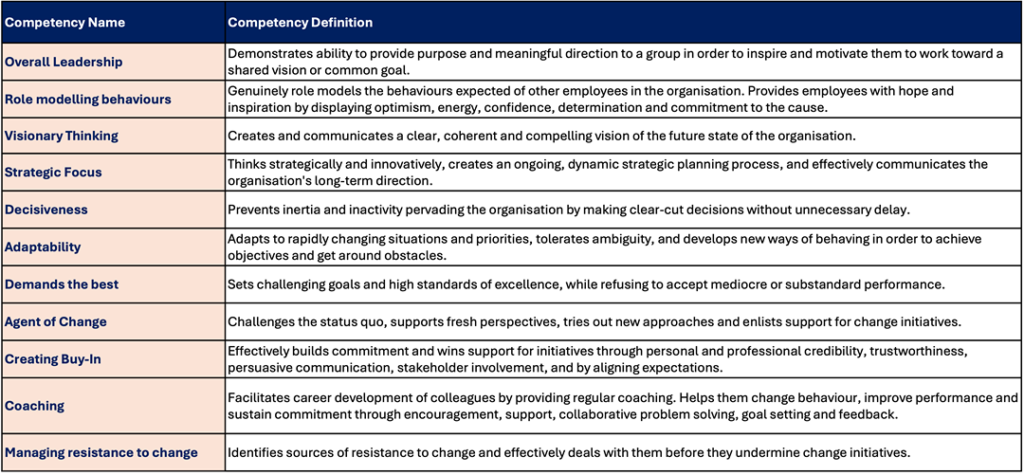
Figure 5 Change Leadership – Key Competencies
Comfort is not the objective in a visionary company. Visionary companies install mechanisms to create discomfort – obliterating complacency – to stimulate change before external forces demand it. Four vital ingredients underpin successful change management: leadership, commitment, involvement, and recognition. These focus on delivering success through people, not on them.
Good leaders model desired behaviours, as change starts at the top. Poor leadership undermines trust and fuels cynicism. Leadership must extend across all levels, with managers embracing their role as change leaders. Commitment is critical – without it, change efforts are strangled by existing systems and resistance. Creating a sense of community fosters teamwork and shared goals.
- Case Study: FMCG Supply Chain Transformation: A £400m FMCG company reduced resistance to a supply chain overhaul by involving frontline workers in solution design, leading to a 20% efficiency gain and stronger team cohesion.
Involvement reduces resistance and enhances understanding, while recognition sustains motivation. Continuous acknowledgment of efforts ensures key players remain committed, preventing derailment of change initiatives.
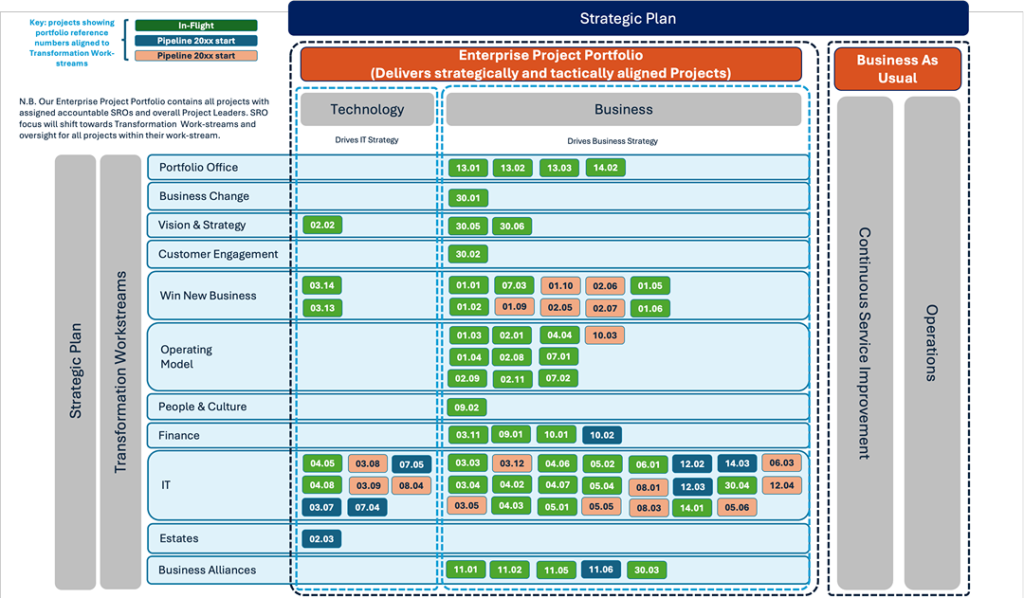
Figure 6 Building your change projects into an effective strategic plan & portfolio
Change leadership – key change enablers
Key enablers of change leadership include:
- Senior leadership team: Their full commitment and demonstrated behaviours are critical. A £250m retailer’s leadership alignment drove a 15% increase in transformation success rates.
- Role models: Demonstrating desired behaviours, as seen in a £100m tech firm where managers modelled agile practices, boosting adoption by 20%.
- Change champions: A £300m hospital network’s change champions improved communication, increasing staff buy-in by 25%.
- Communications: Regular, strategic updates in a £500m utility firm reduced misinformation, enhancing project alignment.
- Defining roles and responsibilities: A £200m logistics company clarified roles, reducing overlaps and speeding up decision-making by 30%.
- HR systems and processes: A £150m consultancy’s reward system drove new behaviours, improving performance metrics by 10%.
- Training and development: A £100m manufacturer’s leadership programme upskilled 500 managers, strengthening transformation outcomes.

Figure 7 Solutions and Implementation Success Statistics
A corporate M&A project, for example, is a complex change process. It requires technical solutions, new strategies, and people development. Challenges include resource allocation, as line organizations often resist committing staff. A £1bn M&A project succeeded by reallocating resources effectively, reducing integration time by 20%. Diverse teams with varied skills also pose challenges, but team-building efforts in a £50m tech merger improved collaboration, cutting project delays by 15%.
Nine out of ten project failures are people-related, driven by issues like insufficient capabilities, leadership gaps, or poor coordination. All-round expertise and timely problem resolution are critical for competitive success.
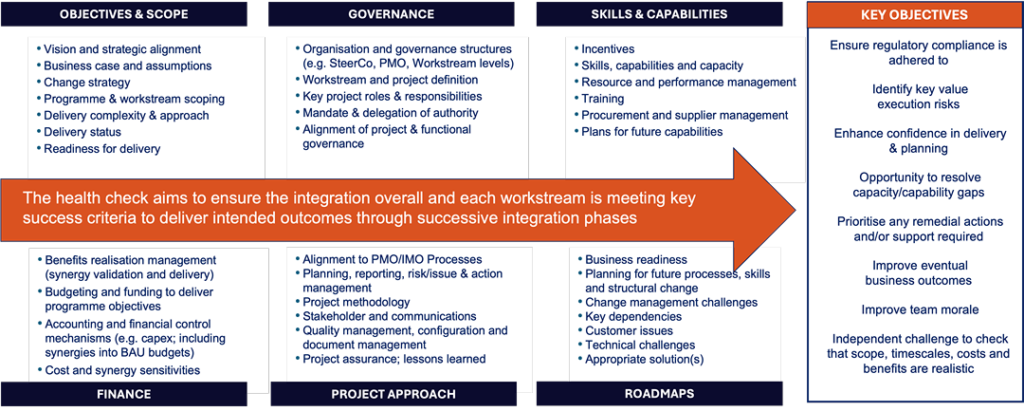
Figure 8 Namaste Management Programme Health Check Framework: Setting Up for Success
Case Study: Delivering Streamlined Diagnostics – Namaste Aspire ID8
Aspire ID8 is an advanced, AI-enabled SaaS platform that helps organisations quickly diagnose any area of the business, identify root causes of challenges, and generate a tailored, best-practice roadmap for improvement – without the need for prolonged consultancy projects.
🔎 Summary
Aspire ID8 empowers organizations to uncover challenges, identify capability gaps, and create evidence-based action plans – enriched by AI and grounded in real team experience. With ChatGPT-enhanced narrative analysis, businesses gain clarity on what to fix, why, and how to deliver measurable improvement with stakeholder buy-in.
Unlike traditional consultancy-led approaches, Aspire ID8 focuses on inclusive engagement, involving stakeholders across all functions and levels. This builds ownership and accountability. Its sentiment analysis and open-text feedback surface hidden tensions early, enabling leadership to address concerns before they derail execution. The result is informed, actionable roadmaps that are more likely to succeed.
🧭 1. End-to-End Diagnostic Capability
Aspire ID8 uses structured surveys to assess current- and future-state maturity across functions like strategy, operations, and digital transformation, building a 360-degree view of organizational health.
📉 2. Maturity Gap and Sentiment Analysis
The platform provides visual dashboards, spider charts, and heat maps to identify maturity gaps and capture sentiment, highlighting pain points and opportunities across the organization.
🤖 3. Integrated AI-Powered Insight via ChatGPT
Aspire ID8 integrates with ChatGPT to process narrative feedback, generating clear problem statements, recommended action plans, and expected benefits tailored to internal realities.
✅ 4. Prioritised Action Planning and Roadmap Creation
By combining maturity data, sentiment analysis, and AI insights, Aspire ID8 delivers prioritized roadmaps, focusing effort on high-impact initiatives for transformation, efficiency, or growth.
🔁 5. Continuous Improvement and Tracking
Organizations can re-run diagnostics to track progress, with dashboards showing shifts in maturity and sentiment, enabling measurement of ROI and effectiveness.
🌍 6. Scalable, Fast, and Cost-Effective
Aspire ID8 supports broad engagement and delivers results in days or weeks, accelerating planning and improving strategic clarity at a fraction of traditional consulting costs.
Namaste Management Transformation playbook
Leverage the experience of Namaste Management… Visit the Namaste Shop to find a wealth of assets to use on your next change or transformation programme
| Tool | Description |
| Business Case Template | A business case template to ensure you capture all key and relevant information about your project or programme, including a tool to calculate key project return on investment figures. |
| Change Strategy & Plan | A comprehensive business change strategy and plan to enable you to think about all the key features and impacts of a project or programme on your business. |
| Programme Complexity Tool | A tool for analysing the complexity of your project or programme and its constituent workstreams to provide a measurement of risk and the likely skill level programme leaders will require to deliver. |
| Business Function/Process Taxonomy | A taxonomy of high-level process areas for all business functions within a corporate organisation. This includes a template for mapping as-is and to-be processes. |
| Business Culture Guidance | Guidance for how to think about business culture, its impact on business performance and mechanisms to measure, monitor and change culture. |
| Project Charter | A template charter (or overview) of your project, programme or workstream. |
| PMO Governance Tool | An advanced RAID tool for robustly capturing all your programme or project risks & issues, actions, decisions, dependencies and forward planning your key meeting agendas. |
| Change Impact Assessment | A tool to enable you to assess the impact of all changes you are planning to implement through a project or programme on all business functions. |
| Change Readiness Assessment | A tool to enable you to assess the readiness of business functions to accept the impact of all changes you are planning to implement through a project or programme. |
| Programme Project & Milestone Log | A template to capture the key information for all your projects (Master Project List) and to capture and track all your project milestones, including Gantt view. |
| Programme Health Check Tool | A comprehensive tool for analysing and documenting the health of your project or programme, organised into 6 core themes that underlie the success factors of programme delivery. |