
Introduction
In today’s rapidly evolving business landscape, organisations face constant pressure to adapt, innovate, and manage change effectively. While technical skills and strategic planning are critical, emotional intelligence (EI) has emerged as a cornerstone of successful leadership and change management. Emotional intelligence, defined as the ability to recognise, understand, and manage one’s own emotions while effectively navigating the emotions of others, is a vital skill for fostering collaboration, driving transformation, and achieving sustainable business outcomes. This article explores the profound value of emotional intelligence in business, with a particular focus on its role in change management, where human dynamics are often the linchpin of success.
What is Emotional Intelligence?
Emotional intelligence encompasses five key components:
- Self-Awareness: The ability to recognise and understand one’s own emotions, triggers, and behavioural tendencies.
- Self-Regulation: The capacity to control impulsive reactions, manage emotions constructively, and maintain composure under pressure.
- Motivation: An intrinsic drive to achieve goals, persevere through challenges, and maintain a positive outlook.
- Empathy: The ability to understand and share the feelings of others, fostering trust and connection.
- Social Skills: Proficiency in managing relationships, communicating effectively, and resolving conflicts.
In a business context, these competencies enable leaders and employees to navigate complex interpersonal dynamics, build resilient teams, and drive organisational success. In change management, where uncertainty and resistance are common, EI becomes a critical differentiator.
“Having led diverse change initiatives across multiple organisations, I’ve found that emotional intelligence – both in leaders and in those championing change – is the single most critical success factor. Without it, change depends on brute force and seldom endures.” Lorna Evans, VP People & Organisational Development, Inspired Entertainment Inc.“
The Role of Emotional Intelligence in Business
Emotional intelligence impacts every facet of business operations, from leadership and team dynamics to customer relationships and organisational culture. Below are key areas where EI delivers tangible value:
1. Leadership Effectiveness
Leaders with high EI inspire trust, foster collaboration, and create a positive work environment. By understanding their own emotional triggers, they can respond thoughtfully to challenges rather than reacting impulsively. For example, a self-aware leader might recognise their frustration during a high stakes meeting and choose to pause and reframe their response, maintaining team morale and focus.
Empathetic leaders also excel at understanding the needs and concerns of their teams, enabling them to tailor communication and support strategies. This is particularly important in diverse workplaces, where cultural and individual differences require nuanced approaches. Research from the Harvard Business Review indicates that leaders with high EI are 20% more effective in driving team performance and engagement compared to those who rely solely on technical expertise.
2. Team Collaboration and Productivity
Teams thrive when members feel valued, heard, and understood. EI fosters open communication, reduces conflict, and promotes a culture of psychological safety, where employees feel comfortable sharing ideas and concerns. Social skills, a key EI component, enable team members to navigate disagreements constructively, ensuring that conflicts become opportunities for growth rather than sources of division.
For instance, a team member with strong social skills might mediate a disagreement between colleagues by acknowledging both perspectives and guiding them toward a collaborative solution. This not only resolves the immediate issue but also strengthens team cohesion, leading to higher productivity and innovation.
3. Customer Relationships
EI is equally critical in external-facing roles. Employees who can empathise with customers’ needs and frustrations are better equipped to deliver exceptional service, build loyalty, and drive repeat business. For example, a sales representative who listens actively and responds with empathy to a customer’s concerns is more likely to close a deal than one who focuses solely on product features.
A 2023 study by McKinsey found that companies prioritising EI in customer-facing roles saw a 15% increase in customer satisfaction scores and a 10% boost in revenue growth, underscoring the financial impact of emotional intelligence.
4. Organisational Culture
A culture rooted in EI promotes trust, inclusivity, and resilience. Organisations with emotionally intelligent leaders are more likely to foster environments where employees feel empowered to take risks and innovate. This is particularly important in industries facing disruption, where adaptability and creativity are essential for survival.
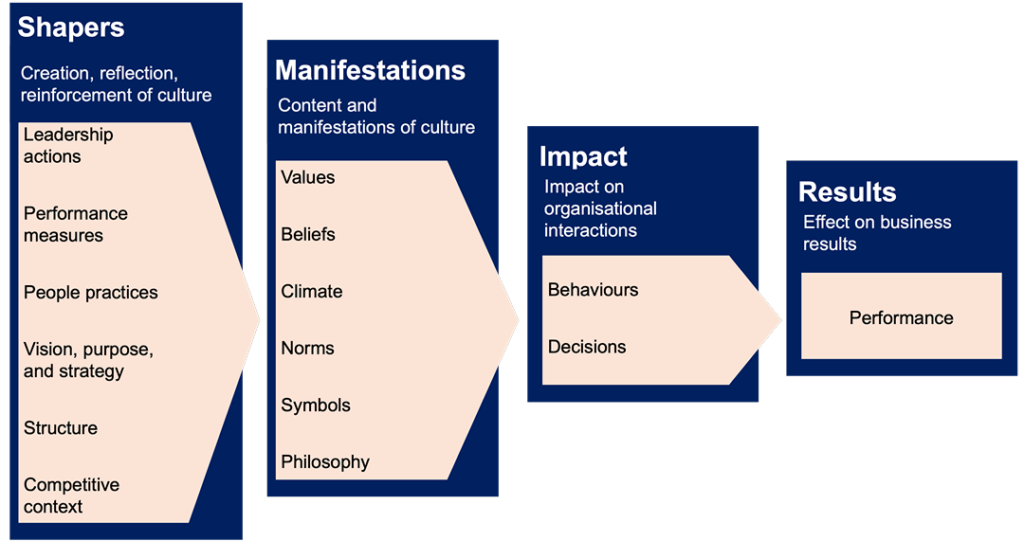
Figure 1 The Impact of Culture on Business Performance
Emotional Intelligence in Change Management
Change management involves guiding organisations through transitions, whether implementing new technologies, restructuring teams, or shifting strategic priorities. These initiatives often provoke uncertainty, fear, and resistance among employees, making EI an indispensable tool for success. Below are specific ways EI enhances change management:
1. Navigating Resistance to Change
Resistance is a natural response to change, often rooted in fear of the unknown or loss of control. Emotionally intelligent leaders can identify the emotional undercurrents driving resistance and address them empathetically. For example, during a merger, a leader might hold town hall meetings to listen to employees’ concerns, validate their feelings, and provide clear, transparent communication about the change process. This approach reduces anxiety and builds trust, increasing buy-in for the initiative.
By leveraging empathy, leaders can also tailor change strategies to address individual and team needs. For instance, some employees may require additional training to feel confident with a new system, while others may need reassurance about job security. EI enables leaders to anticipate and address these diverse needs effectively.
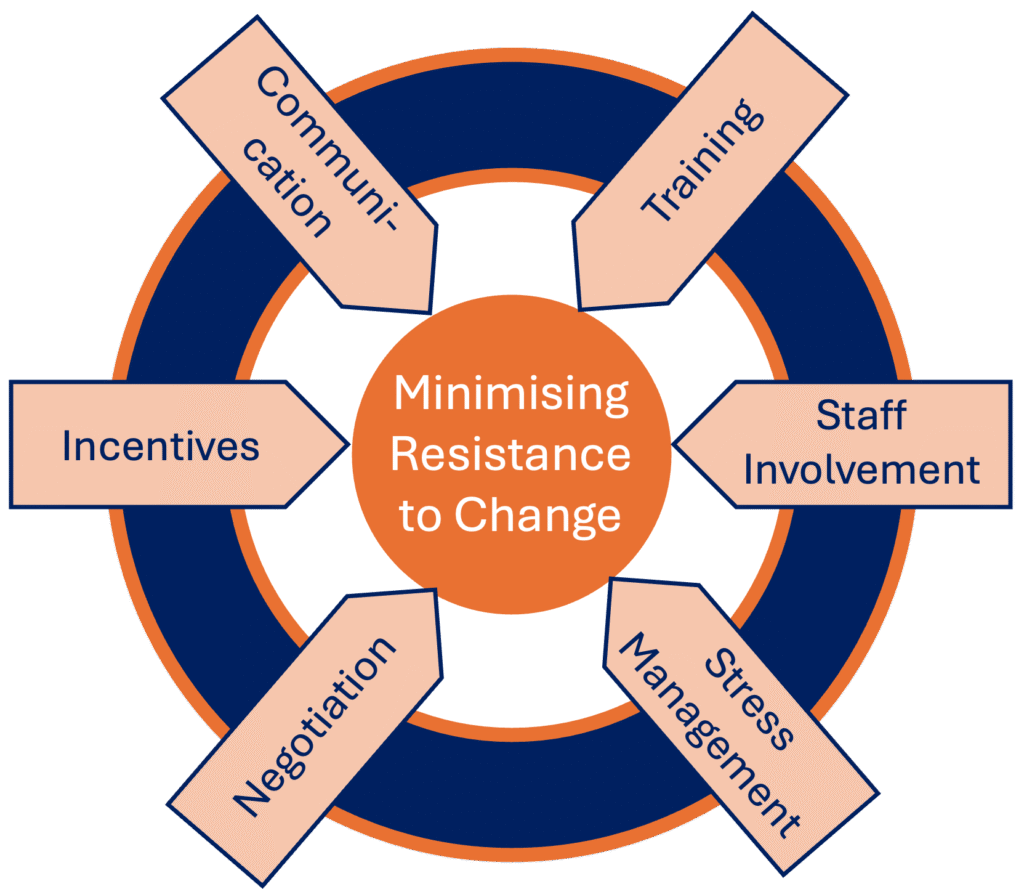
Figure 2 Minimising Resistance to Change
2. Building Trust and Engagement
Successful change requires trust between leaders and employees. EI fosters trust by ensuring that communication is authentic, transparent, and empathetic. When employees feel that their leaders genuinely care about their well-being, they are more likely to embrace change rather than resist it.
For example, during a company-wide digital transformation, a leader with high EI might share their own challenges in adapting to new technology, making them relatable and approachable. This vulnerability encourages employees to voice their own struggles, creating a collaborative environment where challenges are addressed collectively.
3. Managing Stress and Uncertainty
Change often brings stress, particularly when it involves tight deadlines, new processes, or shifts in organisational structure. Leaders with strong self-regulation can model calm and resilience, setting a positive tone for the organisation. By maintaining composure, they help employees navigate uncertainty without succumbing to panic or disengagement.
For instance, during a restructuring, an emotionally intelligent leader might acknowledge the stress employees are feeling while emphasising the long-term benefits of the change. They might also implement stress-reduction initiatives, such as flexible work arrangements or regular check-ins, to support employee well-being.
4. Fostering Adaptability
Change management requires adaptability, both from leaders and employees. EI enhances adaptability by enabling individuals to stay motivated and focused on long-term goals, even in the face of setbacks. Leaders with high EI can inspire their teams to view change as an opportunity for growth rather than a threat, fostering a culture of agility and innovation.
For example, when rolling out a new performance management system, a leader might use motivational storytelling to highlight how the change aligns with the organisation’s vision, encouraging employees to embrace the new process with enthusiasm.
5. Facilitating Collaboration Across Stakeholders
Change initiatives often involve multiple stakeholders, from executives and employees to external partners and customers. EI enables change managers to navigate these complex relationships effectively, ensuring alignment and collaboration. Social skills, such as active listening and conflict resolution, are particularly valuable in negotiating competing priorities and building consensus.
For instance, during a supply chain overhaul, a change manager with strong EI might facilitate workshops to align stakeholders on shared goals, using empathy to address concerns and social skills to mediate disagreements. This collaborative approach minimises friction and accelerates implementation.

Figure 3 Change Leadership – Key Competencies
Developing Emotional Intelligence in Organisations
Given its critical role in business and change management, organisations must prioritise EI development at all levels. Below are strategies to cultivate EI:
1. Training and Development Programs
Organisations can implement EI training programs that focus on self-awareness, empathy, and communication skills. Workshops, role-playing exercises, and coaching sessions can help employees practice EI competencies in real-world scenarios. For example, a workshop might include exercises on active listening, where participants practice paraphrasing others’ concerns to build empathy.
2. Leadership Role Modeling
Leaders set the tone for organisational culture. By modelling EI behaviours, such as transparency, empathy, and resilience, leaders can inspire employees to develop these skills. For instance, a CEO who openly discusses their challenges during a change initiative encourages others to do the same, fostering a culture of authenticity.
3. Feedback and Assessment Tools
Tools like 360-degree feedback and EI assessments (e.g., the Emotional and Social Competency Inventory – ESCI) can help employees identify their strengths and areas for improvement. Regular feedback ensures continuous growth and accountability.
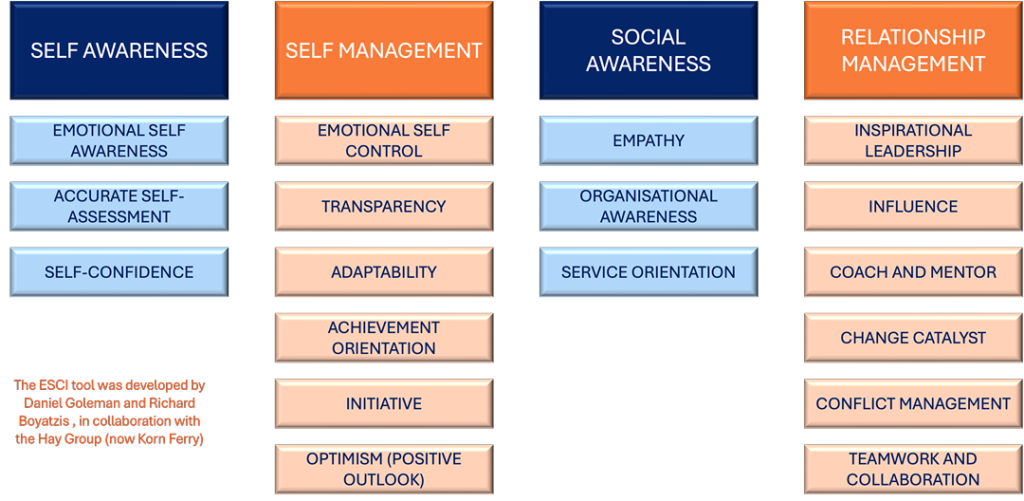
Figure 4 The Emotional and Social Competency Inventory (ESCI)
4. Embedding EI in Recruitment and Performance Management
Organisations can prioritise EI in hiring by assessing candidates’ interpersonal skills and emotional maturity during interviews. Similarly, performance evaluations should include EI competencies alongside technical skills to reinforce their importance.
5. Creating a Supportive Environment
A culture that values open communication, psychological safety, and employee well-being fosters EI naturally. Organisations can promote this by encouraging regular check-ins, providing mental health resources, and celebrating collaborative successes.
Case Study: EI in Action During Change Management
To illustrate the impact of EI, consider the case of a global manufacturing company undergoing a digital transformation. The initiative involved adopting a new enterprise resource planning (ERP) system, which sparked resistance from employees accustomed to legacy processes.
The change management team, led by a highly emotionally intelligent leader, took the following steps:
- Empathy-Driven Communication: The leader held focus groups to understand employees’ fears, such as job displacement or increased workload. By addressing these concerns transparently, the team reduced resistance.
- Self-Regulation Under Pressure: When technical glitches delayed the rollout, the leader remained calm, reassuring the team and focusing on solutions rather than blame.
- Motivating the Team: The leader shared success stories from other organisations that had adopted similar systems, inspiring employees to see the change as an opportunity for growth.
- Social Skills in Stakeholder Management: The leader facilitated cross-functional workshops to align IT, operations, and finance teams, ensuring collaboration and buy-in.
As a result, the ERP implementation was completed on time, with 85% employee adoption within six months – a significant improvement over industry benchmarks. Employee satisfaction also increased by 12%, demonstrating the ripple effect of EI on organisational culture.
EI Challenges and Considerations
While EI is a powerful tool, it is not without challenges. Developing EI requires time, self-reflection, and practice, which can be difficult in high-pressure environments. Additionally, cultural differences may influence how EI is perceived and expressed, requiring leaders to adapt their approaches to diverse teams.
Organisations must also avoid over-relying on EI at the expense of technical expertise or strategic planning. EI complements these skills, creating a holistic approach to leadership and change management.
Conclusion
Emotional intelligence is a transformative force in business and change management. By fostering self-awareness, empathy, and strong interpersonal skills, EI enables leaders and employees to navigate the complexities of organisational change with confidence and resilience. In an era where adaptability and collaboration are paramount, investing in EI is not just a competitive advantage – it is a necessity for sustainable success. Organisations that prioritise EI will not only achieve their change objectives but also build stronger, more cohesive teams and cultures that thrive in the face of uncertainty.