
The CEO’s Mandate: Building Enterprise Value
In today’s era of geopolitical volatility, technological disruption, and interconnected markets – especially amid frequent mergers and acquisitions – leadership extends far beyond operational oversight. It demands a blend of humility, authenticity, foresight, and resilience, creating organisations capable of thriving amid complexity. True leadership is less about authority and more about stewardship: cultivating ecosystems where innovation flourishes, stakeholders align, and human potential is maximised. As John C. Maxwell aptly notes, “A leader is one who knows the way, goes the way, and shows the way.”
Embody the Leader You Would Follow
Authentic leadership begins with introspection. The pivotal question is: would I entrust my future to my own guidance? Effective leaders understand that self-awareness – recognising one’s strengths, limitations, and biases – is a cornerstone of judgment. Moral courage, emotional intelligence, and intellectual humility underpin decision-making, particularly in high-stakes contexts like M&A, where theory alone cannot replace experience.
Indra Nooyi, former CEO of PepsiCo, observed, “Leadership is hard to define and good leadership even harder. But if you can get people to follow you to the ends of the earth, you are a great leader.” Leaders who admit uncertainty, solicit input, and collaborate cultivate trust, transforming diverse expertise into cohesive action. Integrity – aligning words and deeds with core values despite external pressures – is non-negotiable. As Satya Nadella, CEO of Microsoft, emphasises: “The true measure of success is how we empower others.”
Inspire Through Visionary Foresight
Inspiration is the alchemy that turns ambition into collective achievement. Leaders articulate a compelling “why,” connecting everyday efforts to a larger purpose. Effective storytelling, empathy, and resolve transform strategy into mission, ensuring cohesion across global operations and sustaining momentum during disruptive initiatives.
Nelson Mandela famously stated, “There is no passion to be found playing small – in settling for a life that is less than the one you are capable of living.” Great leaders help teams see their contributions as part of a grander vision. Angela Merkel, navigating the Eurozone crisis, remarked, “We have to be honest with ourselves. We have to accept that we have problems, but we also have to believe that we can solve them.” Vision aligns strategy with societal and organisational imperatives, fostering resilience even amid uncertainty.
Earn Respect Through Action
Respect is earned through consistent, principled behaviour, never assumed based on rank. Exceptional leaders honour both intellectual contributions and human dignity, creating environments that encourage diverse perspectives and constructive discourse. Warren Buffett, chairman of Berkshire Hathaway, reminds us, “It takes 20 years to build a reputation and five minutes to ruin it. If you think about that, you’ll do things differently.”
Trust and consistency strengthen morale and agility, particularly in cross-border operations or complex change initiatives. How leaders communicate in crises often defines credibility more than achievements during calm. By granting autonomy and nurturing innovation, executives signal confidence and build loyalty, essential in high-stakes transformations like M&A.
Engage to Build Collaborative Leadership
Engagement transforms leadership from unilateral direction to participatory mentorship. Leaders who actively understand team aspirations and challenges deepen commitment beyond financial incentives. Practices such as executive walkabouts, inclusive forums, and cross-functional dialogues humanise strategy while ensuring effective execution.
As Richard Branson, founder of Virgin Group, notes, “Clients do not come first. Employees come first. If you take care of your employees, they will take care of the clients.” Engagement requires attentiveness: listening, acknowledging perspectives, and fostering a culture of collaboration. In mergers and acquisitions, involvement reduces resistance and ensures smoother integration by leveraging the insights and experience of every team member.
Harness Strength in Vulnerability
Vulnerability is not weakness – it is the hallmark of authentic leadership. Admitting mistakes fosters psychological safety, encouraging innovation and calculated risk-taking. Leaders who model resilience by acknowledging missteps cultivate trust and loyalty. Brené Brown, author and leadership expert, asserts, “Vulnerability is the birthplace of innovation, creativity, and change.”
Leaders who maintain transparency prevent isolation and counter the “ivory tower syndrome,” ensuring their decisions reflect organisational realities. Scandinavian executives, for instance, often use open all-hands discussions to communicate past errors and strategic pivots, reinforcing credibility while stimulating constructive dialogue.
Humility and Steadfastness
Humility sustains influence over time. It fosters a culture of learning, enabling teams to prioritise mission over ego. Strength and reliability provide an anchor in turbulent markets, building trust through consistent action. Christine Lagarde, President of the European Central Bank, noted, “Grit is the passion and perseverance for long-term and meaningful goals.” Leaders who combine confidence with openness empower teams to navigate uncertainty with clarity and composure.
Ratan Tata, former chairman of Tata Group, observed, “None can destroy iron, but its own rust can! Likewise, none can destroy a person, but their own mindset can.” Humility also reinforces credibility with external partners and encourages tapping into the collective wisdom of diverse experiences.
Navigating Complexity with Purpose
Modern leadership reconciles paradoxes: vision with pragmatism, authority with empathy, decisiveness with inclusivity. Mastery requires reflection, adaptability, and situational judgment – knowing when to lead by example, encourage, facilitate, or make decisive calls. Leaders inspire intrinsic motivation through shared purpose, driving performance beyond compliance.
As Peter Drucker famously said, “Management is doing things right; leadership is doing the right things.” In complex environments, particularly M&A, avoiding complacency and creating urgency are essential. Leaders who clearly communicate strategy while fostering ownership enable teams to act decisively under uncertainty.
Tenets for Executives
- Lead authentically: Be a role model, aligning actions with values.
- Communicate vision: Forge alignment through clarity, persistence, and storytelling.
- Empower autonomy: Encourage ownership while building coalitions to drive change.
- Balance humility and resolve: Listen, reflect, and act decisively.
- Model humanity: Respect, recognise, and engage individuals consistently.
Francis Bacon encapsulated this philosophy: “He that gives good advice builds with one hand. He that gives good counsel and example builds with both.” Leadership’s art lies in self-mastery: inspiring, earning respect, engaging authentically, and embedding resilience within the organisation.
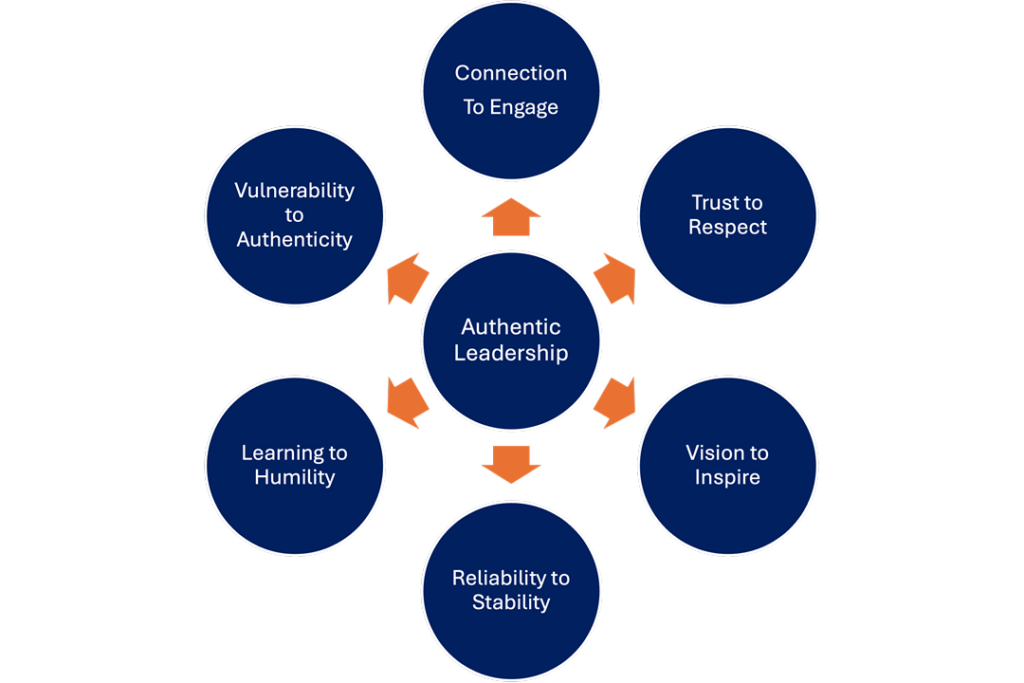
Figure 1 The Art of Authentic Leadership
Conclusion
Leadership is the practice of imprinting values that outlast tenure. Inspire through vision, earn respect through principled action, engage through attentive collaboration, embrace vulnerability as strength, and anchor decisions in humility and integrity. In high-stakes environments like M&A and global expansion, these principles forge enduring legacies of innovation, resilience, and shared prosperity, ensuring that organisations – and their people – thrive across complex, interconnected landscapes.