
Executive Summary
The betting and gaming industries are at a pivotal juncture, fuelled by explosive digital growth, technological advancements, and expanding global markets, yet hampered by regulatory scrutiny, fraud risks, and talent shortages. With significant growth projected in both the global online gambling and land-based markets, operators must navigate seven core strategic challenges while mastering organic and inorganic growth pathways to achieve sustainable profitability. Gran View Research estimates that online gambling will almost double from $84bn in 2025 to over $150bn by 2030, a CAGR of 12%.
This article delves into these challenges – spanning compliance, payments, innovation, player protection, market expansion, and organizational agility – and outlines hybrid strategies that balance innovation with responsibility. Drawing on anonymized case studies, it highlights tangible benefits such as 30% reductions in fraud losses and 45% increases in player retention.
Emphasis is also placed on the video (or egaming) sector, where trends like VR/AR immersion, esports integration, and AI-driven personalization are significant annual growth in online gaming, offering operators opportunities to differentiate amid rising competition.
Success hinges on agile, tech-forward models that prioritize customer trust, operational excellence, and ethical expansion, positioning leaders to capture emerging markets like Brazil while mitigating risks in more mature ones like the U.S. and Europe.
Key Takeaways:
- Navigate Regulatory Pressures Proactively: Invest in RegTech and AI to automate compliance, reduce costs, and ensure seamless onboarding amid evolving global frameworks. Key Insight: Enabling customers to load funds seamlessly, while remaining compliant with licensing obligations, will underpin sustainable growth.
- Embrace Technological Advancements: Integrate AI, blockchain, and VR/AR technologies, especially in gaming, to drive personalization, immersion, and competitive differentiation. Key Insight: customer expectations are growing as quickly as technological advancements across all sectors to increase information and reduce friction to improve UX.
- Prioritize Responsible Gaming: Embed player protection tools and ethical practices to build trust, meet regulatory demands, and foster long-term customer loyalty. Key Insight: sustainable profits (and regulations) require customers that enjoy spending money and will recommend the brand to their friends; a customer spending £100 a year for 10 years is worth a lot more than one that spends £500 in two sessions and is never seen again.
- Pursue Balanced Growth Strategies: Combine organic innovation in focus regions with targeted inorganic expansions like M&A to achieve scalable, profitable growth in both mature and emerging markets. Key Insight: for some operators, market focus and specialism / localisation is a winning strategy.
Strategic Challenges In Betting & Gaming
The global betting and gaming industry is undergoing a period of intense transformation, driven by rapid technological innovation, increasingly complex regulatory landscapes, and evolving customer expectations. Key subsectors include:
| Sector | Description | Example Brand |
| Online betting | Locally licensed event betting | Flutter / Fanduel |
| iGaming | Locally licensed online real money gaming | Rank, Grosvenor |
| Sweepstakes | Casino style games operated under sweepstakes regulation | McLuck |
| Prediction | CTFC licensed event markets | Kalshi |
| Offshore & Crypto | Remote online licensed operators | Stake.com |
| Online gaming | esports and egaming | Tencent, Sony |
Note: whilst the end customer of each sector is similar, and they are competing for the same time /wallet, there are some significant structural and regulatory differences between them.
To remain competitive and sustainable, operators must proactively address a range of strategic challenges that cut across compliance, technology, operations, and human capital.
Below, we explore the seven most pressing strategic challenges currently facing operators – and the strategic responses needed to navigate them effectively.
1. Regulatory Complexity and Compliance Pressure
Fragmented and Evolving Frameworks
Gambling operators must navigate a labyrinth of regional and national laws that often conflict or evolve unpredictably. Established markets such as the UK, Germany, and the Netherlands are tightening advertising, affordability, and responsible gambling rules, while emerging markets like Brazil and certain U.S. states are drafting new legislation at pace. In gaming, additional scrutiny applies to loot boxes and in-game purchases, classified as gambling in some jurisdictions, complicating esports and online casino operations.
Rising Compliance Burden
Key requirements such as Know Your Customer (KYC), Anti-Money Laundering (AML) protocols, and responsible gaming frameworks are increasingly mandatory – and resource-intensive. This places pressure on operators to automate compliance while maintaining rigorous oversight.
Affordability and Source-of-Funds Checks
In Europe especially, regulators are pushing for deeper financial due diligence on players. While these measures aim to protect consumers, they can create friction in the onboarding journey, increasing drop-off rates and eroding customer satisfaction.
Case Study: A mid-sized European online casino operator implemented AI-driven RegTech for automated KYC and AML checks. By integrating biometric verification, they reduced compliance processing time by 50% and onboarding drop-offs by 35%, while avoiding €2 million in potential fines from regulatory audits. This also enhanced player trust, boosting retention by 20% in the first year.
Strategic Insight: Operators must invest in RegTech and AI-based compliance systems to ensure real-time, cost-effective monitoring while maintaining user-friendly onboarding experiences. In egaming, this extends to VR/AR content audits to prevent underage access.
2. Payments and Fraud Management
High-Risk Classification
Betting operators are often categorised as high-risk merchants by banks and payment processors. This leads to elevated transaction fees, increased rejection rates, and restrictions on integrating with mainstream payment solutions like PayPal or Apple Pay.
Rising Fraud Threats
Operators face mounting risks from payment fraud, bonus abuse, identity theft, and account takeovers. Without advanced fraud prevention, these issues can result in material financial losses and reputational harm. Fraud rates in online gambling surged 73% from 2022 to 2024, with first-party fraud costing the gaming industry $2.8 billion in 2024 alone.
Scalability Under Pressure
Transaction volumes can spike dramatically during major events (e.g., FIFA World Cup, Super Bowl, Grand National, or major esports tournaments). Legacy systems may buckle under pressure, leading to failed payments and frustrated users.
Case Study: A global esports betting platform adopted real-time fraud analytics and dynamic risk scoring. This reduced fraud losses by 40% during peak events, cutting invalid transactions from 15% to 5% and saving $1.5 million annually. Player satisfaction improved, with a 25% uplift in repeat deposits.
Strategic Insight: Adopting real-time fraud analytics, dynamic risk scoring, and scalable cloud-based payment infrastructures is essential to safeguard revenue and enhance user experience. For gaming, blockchain integration can ensure transparent in-game transactions.
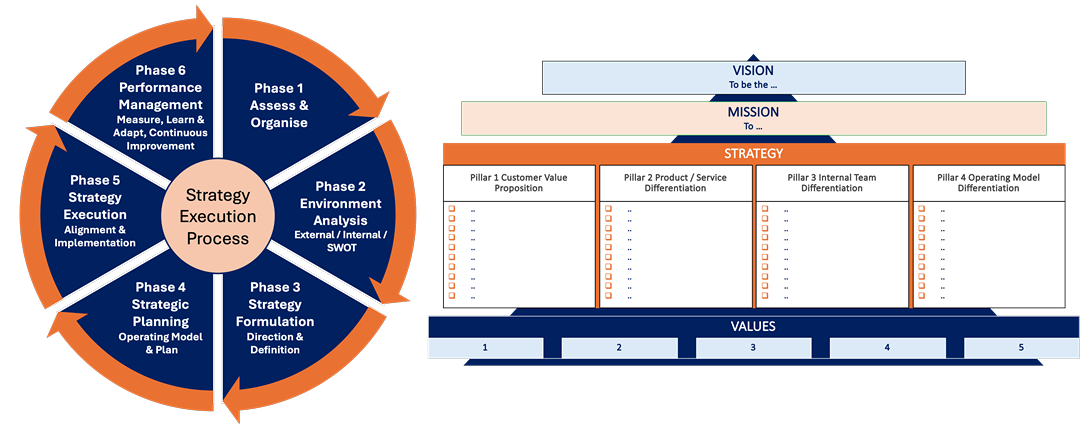
Figure 1 Strategy Execution Process
3. Technological Innovation and Digital Transformation
Emerging Tech Adoption
To remain relevant, operators must integrate technologies such as:
- Blockchain (for transparent transactions and provably fair games)
- Artificial Intelligence (for personalisation and predictive analytics)
- Virtual and Augmented Reality (for immersive user experiences)
In the egaming sector, VR/AR is revolutionizing online casinos, with the VR gaming market expected to reach $110 billion by 2030, according to Gran View Research, enhancing player engagement through lifelike environments and social features.
Mobile-First Experience
With over 70% of bets now placed via mobile devices in many markets, operators must prioritise intuitive, responsive apps that offer seamless navigation, live betting, and secure payments. Esports streaming integration further amplifies this in gaming.
Data Protection and Cybersecurity
As betting platforms collect increasing amounts of personal and financial data, robust cybersecurity and GDPR-aligned data governance are non-negotiable.
Case Study: A leading U.S. online gaming firm invested in AI for personalized VR casino experiences. This led to a 45% increase in session times and a 30% boost in revenue per user, while cybersecurity enhancements reduced data breaches by 60%, saving $3 million in potential liabilities.
Strategic Insight: Operators must adopt a product mindset – investing in continuous user experience optimisation, agile DevOps, and cybersecurity by design. Gaming-specific innovations like AR for live dealer games can drive differentiation.
4. Responsible Gaming and Player Protection
Social and Regulatory Pressure
There is growing regulatory and societal expectation for operators to actively detect and intervene in problem gambling. Technologies such as AI can flag risky behaviour patterns in real-time, but implementation requires ethical considerations and accuracy. In gaming, this includes monitoring esports betting and in-game purchases.
Tightening Marketing Controls
Jurisdictions like Spain, Italy, and the UK are enforcing strict limitations on gambling advertising, including bans on sports sponsorships, promotional offers, and youth-targeted campaigns.
Case Study: An online casino group collaborated with NGOs to deploy AI-based behavioural nudges and self-exclusion tools. This reduced problem gambling incidents by 25% and improved regulatory compliance scores, leading to a 15% increase in brand trust metrics and lower churn rates.
Strategic Insight: Embedding responsible gaming tools into the user interface, using behavioural nudges, and offering self-exclusion features proactively can both meet compliance and build brand trust. For gaming, VR sessions with built-in time limits enhance protection.
5. Market Expansion and Localisation
Global Growth, Local Challenges
Operators expanding into new geographies face a balancing act: local compliance, cultural relevance, and commercial viability. For example, entering Latin America or India requires a nuanced approach to local languages, consumer behaviour, and informal betting norms. In gaming, esports localization in Asia could tap into a market growing at 9.5% CAGR to $424 billion by 2032.
Strategic Partnerships
Success in new markets often hinges on securing local partnerships with media, telecom, or sports rights holders, which can accelerate trust-building and customer acquisition.
Case Study: A betting operator entered the Brazilian market via localized apps and partnerships, adapting payment options and odds formats. This resulted in a 50% user growth in the first year and $10 million in additional revenue, with fraud rates 20% below industry averages.
Strategic Insight: Localisation must go beyond language – adapting payment options, odds formats, UX/UI, and content to resonate with local players is vital for long-term market penetration. Gaming expansions should include region-specific esports titles.
6. Talent, Culture, and Organisational Agility
Talent Shortage in Key Disciplines
The industry increasingly demands expertise in compliance, AI, data science, and cybersecurity. However, competition for this talent is fierce, with fintech and big tech offering alternative attractive environments. Gaming requires additional skills in VR/AR development and esports analytics.
Organisational Change Fatigue
Frequent shifts in regulation and technology create internal disruption. Organisations that lack agile, cross-functional structures may struggle to keep pace with the external rate of change.
Case Study: A video game studio adopted agile methodologies and upskilling programs, reducing talent turnover by 30% and accelerating product launches by 40%. This fostered a resilient culture, leading to 25% higher innovation output metrics.
Strategic Insight: Embedding agile methodologies, investing in upskilling programs, and fostering a mission-driven culture will position operators to thrive in a volatile environment. In gaming, cross-training in emerging tech like AR boosts adaptability.
7. Competitive Dynamics Between the Regulated and Black Markets
Licensed operators must comply with strict rules on taxation, responsible gambling, advertising, and consumer protections. These safeguards are vital for legitimacy and long-term sustainability but create heavy compliance costs. Black-market operators face none of these constraints, enabling them to offer aggressive promotions, lower barriers to entry, and more attractive odds. This creates a structural imbalance: regulated firms invest heavily in compliance, while unlicensed rivals lure customers with fewer restrictions and lower prices.
The challenge is sharper in markets with fragmented or overly strict regulation. High taxes, advertising bans, or product limits often push consumers toward unlicensed providers offering a more seamless experience. For example, restrictions on bonuses or in-play betting in some jurisdictions have fuelled black-market leakage, eroding licensed revenues and undermining regulatory goals. The problem is compounded where enforcement is weak or technological barriers – such as geo-blocking and payment restrictions – are easily bypassed.
Strategic Insight: Operators typically respond by lobbying for more balanced rules, seeking tax regimes and marketing freedoms that allow fair competition while protecting consumers. At the same time, they must differentiate through trust, transparency, and product quality to win players who value security and legitimacy. Ultimately, success depends on aligning operator interests, consumer preferences, and regulatory goals to limit black-market leakage and maintain a healthy, competitive industry.
Summary Table: Strategic Challenges in Betting & Gaming
| Strategic Challenge | Description |
| Regulatory Complexity | Navigating fragmented, evolving laws and costly compliance obligations |
| Payments & Fraud | Managing payment frictions, fraud risks, and scalable infrastructure |
| Technological Innovation | Integrating new tech and securing sensitive data in a mobile-first environment |
| Responsible Gaming | Meeting higher standards for player protection and ethical conduct |
| Market Expansion | Entering new markets with culturally relevant, compliant offerings |
| Talent & Organisation | Attracting skilled professionals and adapting to rapid industry change |
| Black Market | Competing legally within a tightly regulated ecosystem while contending with unlicensed rivals |
Navigating through the crossroads
The betting and gaming sector stands at a strategic crossroads. Operators that succeed in this environment will be those that:
- Invest in compliance technology and responsible gaming tools
- Modernise their digital infrastructure and mobile experiences
- Localise effectively while maintaining global standards
- Build agile, talent-rich organisations that can pivot with confidence
In short, sustainable growth requires a multi-dimensional strategy – balancing compliance, innovation, customer trust, and operational excellence…
“Sports betting is continuing its integration into modern sports culture, and industry leaders do not expect the growth to slow down any time soon.” – Industry leaders on betting growth.
Mastering Growth in Betting & Gaming
A Strategic Guide to Organic and Inorganic Expansion
Facing mounting regulatory scrutiny, rising customer acquisition costs, and escalating technology demands, operators are under pressure to grow – but must do so with precision. Two primary pathways – organic and inorganic growth – offer distinct advantages and risks.
This article examines the core complexities of each route and outlines the strategic imperatives for achieving profitable, sustainable scale in today’s volatile market environment.
Understanding the Growth Imperative
Betting and gaming firms typically pursue growth through two main avenues:
- Organic Growth: Expansion driven internally through customer acquisition and retention, deeper relationships, product innovation, and new market entry.
- Inorganic Growth: Growth through mergers, acquisitions, or strategic partnerships, enabling rapid access to new markets, cross-selling (e.g. sportsbook and casino), talent, and technologies.
Both paths present unique challenges and rewards. The highest-performing firms aren’t those that choose one over the other – but those that integrate both into a cohesive, adaptable growth strategy.
Organic Growth: Increasingly Challenging Terrain
Organic growth – building internal capabilities and expanding product offerings – has traditionally offered control and sustainability. However, it now comes with significant headwinds:
Customer Acquisition Costs (CAC) Under Siege
- Marketing Inefficiencies: Operators routinely allocate 50+% of revenue to customer acquisition yet face up to 55% invalid traffic (IVT) in digital advertising, resulting in severe budget waste.
- Retention Challenges: Generous sign-up bonuses attract users, but regulatory frictions (e.g., affordability checks, KYC delays) reduce conversion and long-term value. Churn remains high.
- Brand Fatigue: In saturated markets, differentiation through branding alone is diminishing in effectiveness, especially where advertising restrictions are tightening.
Regulatory Fragmentation
- Patchwork Legalisation: In the U.S., sports betting is live in 35 states, but iGaming remains limited to only 6, restricting vertical expansion.
- Cost of Compliance: KYC, AML, and responsible gaming compliance adds 20-30% to operating costs, disproportionately affecting smaller and mid-tier operators.
Technology and Infrastructure Demands
- Mobile-First Imperative: Over 75% of bets now occur via mobile. Yet building standalone mobile infrastructure – payments, CRM, content – is capital intensive, especially for new entrants and spinouts.
- Cybersecurity Risks: Regulatory fines, data privacy breaches, and reputational damage make robust encryption, access controls, and fraud prevention non-negotiable. Continuous investment is needed.
Case Study: A gambling SEO-focused operator optimized content for organic search, increasing monthly sessions by 180% and conversions by 50%. This organic push reduced CAC by 40% and drove sustainable revenue growth without heavy ad spend.
Key Insight: Organic growth is viable only for operators with lean cost structures, differentiated product offerings, and strong internal tech capabilities. The margin for inefficiency is shrinking rapidly. In gaming, organic strategies like esports content creation can yield 45% higher engagement.
Inorganic Growth: Opportunity or Overreach?
Inorganic growth – through mergers, acquisitions, and strategic alliances – has become a dominant strategy as operators seek scale, speed, and technology. But success is far from guaranteed.
Drivers of M&A Activity
- Regulatory Arbitrage: Acquiring licensed entities accelerates entry into tightly regulated markets without enduring lengthy approval processes.
- Technology Gaps: Rather than building in-house, many operators acquire AI-driven personalisation, blockchain gaming platforms, or proprietary CRM tools to fast-track innovation.
- Economies of Scale: With compliance, marketing, and tech costs rising, consolidation offers cost synergies – especially for Tier 3 and Tier 4 operators facing existential pressure.
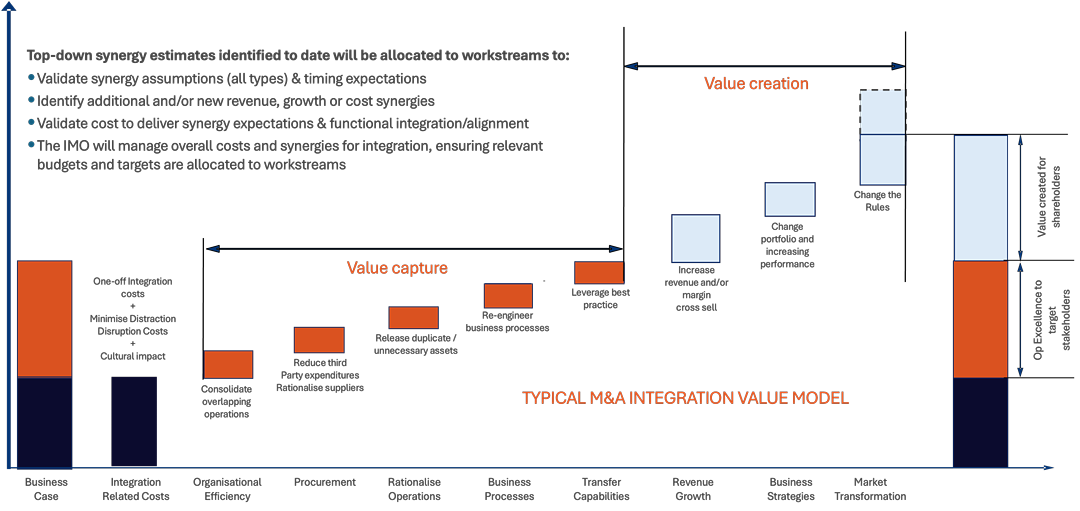
Figure 3 Identifying Value Capture & Value Creation Synergies to Maximise Deal ROI
Inherent Risks of Consolidation
- Cultural Clashes: Post-merger integration frequently suffers from talent drain – studies show up to 40% of carve-out targets lose key personnel within the first 12 months.
- Synergy Shortfalls: Research indicates that over 60% of deals fail to realise projected cost savings, often due to incompatible systems, misaligned incentives, or execution gaps.
- Regulatory Roadblocks: Antitrust scrutiny, especially in consolidated markets like the U.K. and U.S., can delay or derail high-profile mergers.
Case Study: An esports firm acquired a smaller VR gaming platform, realizing 30% cost synergies and a 50% revenue uplift through cross-selling. Post-integration, user base grew by 40%, with EBITDA margins improving by 15%.
Key Insight: M&A is a powerful growth accelerator—but only when backed by rigorous integration planning, cultural alignment, and a clear post-deal operating model. Gaming M&A often targets AR/VR tech for immersive casino expansions.
Profitability: The Industry’s Achilles Heel
Despite booming revenues, sustained profitability remains elusive in many betting markets.
| Growth Strategy | Revenue Levers | Profitability Barriers |
| Organic | New market entry, customer retention | High CAC, compliance costs, saturation |
| Inorganic | Cross-selling (e.g., sportsbook + casino) | Integration friction, synergy leakage |
Market Examples:
- U.S. Sports Betting: Revenue surpassed $23.4bn in 2024, but promotional arms races kept average margins at -10%, especially in newly launched states.
- iGaming vs. Sports Betting: iGaming delivers 2x higher tax revenue per jurisdiction but remains restricted in major states like California and Texas, stalling high-margin growth.
Strategic Dilemma: Operators must choose between subsidised growth with short-term losses, or slower, organic progress with higher control but limited scalability.
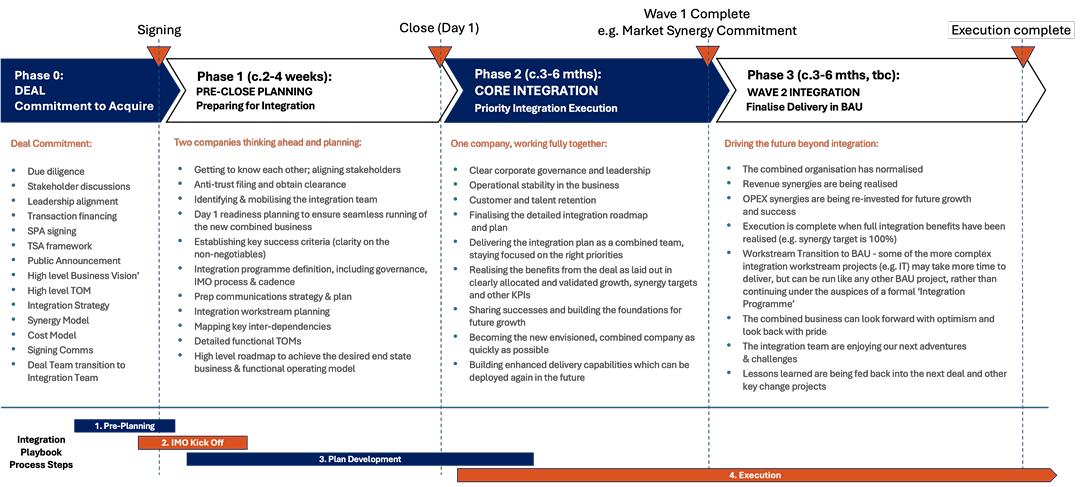
Figure 4 High M&A Level Integration Plan
Emerging Markets: Risk and Reward in Equal Measure
Expanding into emerging markets is increasingly viewed as a growth imperative – but it comes with heightened complexity.
- Brazil: Expected to be a top 5 global market by 2026, Brazil offers volume potential but faces high payment fraud rates (6-8%) and legal ambiguity as lawmakers shape final regulations.
- India and Southeast Asia: Cultural and religious sensitivities demand tailored entry models, often requiring joint ventures with domestic firms to gain political and commercial traction. Esports betting here could grow at 14.3% CAGR.
- Africa: Mobile-first user bases and underdeveloped regulatory frameworks make the continent promising but operationally volatile.
Strategic Consideration: Local knowledge, adaptable tech, and government partnerships are critical to derisking emerging market expansion.
Achieving Balance: The Dual Engine of Growth
The most successful firms understand that sustainable growth is rarely one-dimensional. Organic growth brings depth, resilience, and closer customer relationships. Inorganic growth accelerates scale, capability, and market access. Together, they form a powerful, complementary engine for navigating disruption and achieving long-term performance.
To navigate both growth pathways effectively, operators must adopt a hybrid approach rooted in operational excellence, regulatory credibility, and tech-enabled efficiency.
Tech-Driven Cost Control
- Use AI and machine learning to reduce IVT by 30%, optimise media spend, and personalise retention strategies.
- Adopt modular platforms to reduce IT duplication across markets.
Regulatory Collaboration
- Proactively shape policy through industry coalitions and open engagement – especially in markets like the U.S. where a federal framework could standardise licensing and taxation.
Balanced Growth Models
- Combine organic innovation (e.g., VR-based gaming, in-app social betting) with targeted acquisitions for regulatory access and tech enhancement.
- Use carve-outs strategically to create specialised, lean business units in regulated jurisdictions.
Leading with Strategy Execution and People
The betting and gaming industry’s future will be defined by disciplined growth – not just fast growth. Organic strategies demand ruthless efficiency and regulatory finesse, while inorganic expansion requires clear-eyed integration planning and synergy realisation.
Operators must resist the temptation of unchecked expansion. Instead, the winners will be those who:
- Scale with purpose
- Invest in responsible innovation
- Localise effectively
- Build resilient, tech-first operating models
As margins narrow and scrutiny rises, agility, strategic focus, and operational excellence will be the decisive factors that separate market leaders from casualties of consolidation.
The Implications of AI in Betting & Gaming

Artificial intelligence (AI) is fundamentally reshaping the global betting and gaming industry. From algorithmic odds-making to personalised marketing, fraud detection, and responsible gaming, AI is enhancing both front-end user experiences and back-end operational efficiency. Yet, the rapid integration of AI technologies also introduces new challenges – ranging from ethical dilemmas to regulatory scrutiny. Below explores the transformative impact of AI across six critical dimensions of betting and gaming:
1. Smarter Odds Setting and Risk Management
AI has revolutionised the way sportsbooks generate and manage odds. Advanced algorithms can process vast and dynamic data inputs – such as team statistics, live player metrics, weather conditions, and in-game events – to produce precise, real-time odds.
Strategic Impact
- Dynamic Pricing: Odds adjust instantly as games unfold, enhancing in-play betting opportunities.
- Risk Mitigation: AI reduces human error and helps operators manage exposure across markets and bet types.
Examples
- FanDuel uses AI to update NFL odds in real time, enabling a highly responsive in-play betting experience.
- Altenar and other B2B providers deploy AI to automate odds compilation and identify unusual betting patterns, allowing human traders to focus on high-level risk strategy.
2. Hyper-Personalised Customer Experiences
AI enables a deep understanding of individual player behaviour – tracking preferences, betting patterns, and engagement history. Operators can use this intelligence to deliver tailored recommendations, promotions, and content that drive loyalty and increase player lifetime value.
Strategic Impact
- Retention Uplift: Personalised offers and interfaces reduce churn.
- Higher Engagement: Customisation enhances user satisfaction and time-on-platform.
Examples
- SharpLink Gaming leverages AI to serve users betting suggestions based on their sports preferences and prior wagers.
- Machine learning models help tailor betting suggestions to a user’s risk tolerance and typical betting size.
3. Fraud Prevention and Real-Time Threat Detection
AI is now at the frontline of fraud detection in the gaming sector. By analysing millions of transactions across users and platforms, AI systems can flag anomalies in real time – such as identity theft, bonus abuse, or coordinated betting fraud.
Strategic Impact
- Real-Time Alerts: AI reduces response times to potential fraud attempts.
- Cost Reduction: Automating fraud detection lowers investigation costs and reputational risk.
Examples
- Sportradar’s Integrity Services use AI to detect match-fixing by analysing irregular betting movements across global operators.
- SDLC Corp implements machine learning models that automatically suspend accounts showing suspicious spikes in betting volume or erratic behaviour.
4. Responsible Gaming and Player Safeguarding
One of AI’s most socially valuable applications is its role in protecting vulnerable players. By detecting early indicators of problem gambling – such as session frequency, bet escalation, or erratic deposit patterns – AI enables proactive intervention before harm escalates.
Strategic Impact
- Proactive Support: Operators can offer help before addiction takes hold.
- Regulatory Compliance: AI helps meet growing demands from regulators for player welfare.
Examples
- Leading sportsbooks now use AI models to flag high-risk behaviours and trigger customised interventions, such as cooling-off periods, reality checks, or self-exclusion options.
- AI-powered dashboards help responsible gaming teams monitor player risk levels in real time.
5. Operational Efficiency and Product Innovation
AI enhances operational agility by automating core functions – customer service, payment fraud checks, bet settlement, and more – while enabling the creation of novel, AI-driven features.
Strategic Impact
- Cost Efficiency: Automates high-volume, low-complexity tasks.
- Scalability: Reduces reliance on manual workflows as operators expand.
Examples
- AI-powered chatbots now resolve common user queries instantly, improving service quality while lowering support costs.
- Generative AI tools are being embedded into sports betting platforms to auto-generate real-time match recaps, betting narratives, and tailored insights for users.
6. Regulatory and Ethical Governance
As AI becomes central to gaming operations, regulators are intensifying their focus on transparency, fairness, and consumer protection. Operators must now ensure that AI models are explainable, auditable, and free from discriminatory or exploitative bias.
Strategic Impact
- Reputational Risk Management: Misuse of AI can trigger backlash or sanctions.
- License Viability: Regulators increasingly view ethical AI usage as a licensing condition.
Examples
- Regulators in Europe and North America are drafting AI governance rules requiring transparency in algorithmic decision-making and safeguards against misuse.
- Industry associations are advocating for standards around AI-driven marketing and ethical interventions in responsible gaming.
Summary Table: Key Implications of AI in Betting and Gaming
| Area | Description | Examples |
| Odds & Risk | Real-time pricing, dynamic risk management | FanDuel, Altenar |
| Personalisation | Tailored content, bet suggestions, and offers | SharpLink Gaming |
| Fraud Detection | Anomaly detection and threat prevention across user behaviours | Sportradar, SDLC Corp |
| Player Protection | Monitoring and intervention for problem gambling | Leading sportsbooks |
| Operational Gains | Automation of customer service and content generation | AI chatbots, generative content tools |
| Regulation & Ethics | Ensuring AI fairness, transparency, and user safety | EU/NA regulators, industry advocacy groups |
Conclusion: AI as a Competitive and Ethical Imperative
Artificial intelligence is no longer a future possibility – it is a present-day competitive advantage. From real-time risk management to customised player experiences and proactive harm reduction, AI empowers betting and gaming operators to become faster, smarter, and more user centric.
However, with great power comes greater responsibility. The industry must treat AI not just as a tool for profit, but as a mechanism for building trust, ensuring fairness, and fostering long-term sustainability.
Operators who invest in transparent, ethical, and innovative AI applications will not only gain a competitive edge – but also shape the future of a safer, smarter gaming ecosystem.