Executive Summary
Thriving Amid Disruption
The industrials and engineering sectors – spanning manufacturing, infrastructure, and heavy industry – form the backbone of the global economy. Yet, today’s operating environment is more volatile and complex than ever. Rapid technological advancement, geopolitical upheaval, and intensifying sustainability mandates are rewriting the rules of competition. For executive teams and boards, the imperative is clear: companies must not only adapt but lead through transformation, combining internal innovation with strategic external growth to secure long-term competitiveness.
This article outlines the five most pressing strategic challenges facing the sector, explores proven responses, and presents a playbook for achieving a sustainable balance between organic and inorganic growth – supported by real-world examples from leading industry players.
Priority Board Actions to Enable Dual-Growth Success:
- Mandate digital maturity assessments and tie executive incentives directly to ROI from digital transformation.
- Oversee supply chain resilience strategies, ensuring quarterly reviews of risk dashboards and investments in predictive analytics.
- Integrate sustainability into governance by linking compensation to ESG performance, demanding scenario analysis, and requiring credible net-zero transition plans.
- Treat workforce capability as strategic infrastructure, with board oversight of upskilling, retention, and digital training programs.
- Set clear M&A and partnership criteria aligned with digital, ESG, and growth priorities, demand rigorous post-merger integration plans.
- Support innovation through alliances and venture models, encouraging open innovation, venture arms, and technology partnerships.
- Guide expansion into high-growth markets by commissioning risk assessments and ensuring local product/partnership relevance.
- Institutionalise agile governance through cross-functional oversight of innovation, acquisitions, and partnerships, supported by transparent performance metrics.
Key Strategic Challenges Facing Industrials & Engineering Leaders
1. Technological Disruption and Digital Transformation
The advent of Industry 4.0 technologies – automation, AI, IoT, digital twins, and additive manufacturing – has revolutionised production and asset management. However, adoption remains uneven across the sector.
- Strategic Challenge: Legacy infrastructure, cultural inertia, and uneven digital maturity hinder integration of advanced technologies. Large firms often face internal resistance and misaligned incentives, while smaller companies struggle with capital and talent constraints.
- Impact: Inaction or delay increases the risk of competitive erosion. Digitally advanced peers are capturing cost, speed, and flexibility advantages that are reshaping industry dynamics.
2. Persistent Supply Chain Volatility
Events ranging from trade tensions and regional conflicts to pandemics and climate shocks have exposed critical supply chain vulnerabilities.
- Strategic Challenge: Traditional just-in-time models must be rebalanced with resiliency strategies, including nearshoring, dual sourcing, and digital visibility tools.
- Impact: Disrupted supply chains delay fulfilment, inflate input costs, and damage customer trust – affecting both P&L and strategic positioning.
3. Escalating Sustainability and Regulatory Pressures
Regulatory regimes are tightening globally – from the EU’s Green Deal to SEC climate disclosures – while customers and investors demand credible ESG commitments.
- Strategic Challenge: Transitioning to sustainable operations demands upfront investment, operating model changes, and system-wide accountability.
- Impact: Sustainability is no longer optional. Boards face growing fiduciary pressure to integrate ESG into enterprise risk management and capital allocation.
4. Workforce Constraints and Talent Gaps
The sector faces acute labour shortages, compounded by an aging workforce and a growing need for digital, data, and automation skills.
- Strategic Challenge: Recruiting digital-savvy talent and reskilling existing employees is slow and costly – especially when organisational cultures resist change.
- Impact: Workforce readiness is becoming a make-or-break differentiator in scaling new technologies and maintaining productivity.
5. Global Competition and Market Saturation
Emerging players, particularly in Asia, are scaling quickly with cost-efficient manufacturing and rising tech capabilities.
- Strategic Challenge: Western incumbents face downward pricing pressure and saturation in mature segments. Differentiation through innovation, quality, and customer proximity is essential.
- Impact: Margin compression and stagnation loom unless leadership pursues new markets or business models.
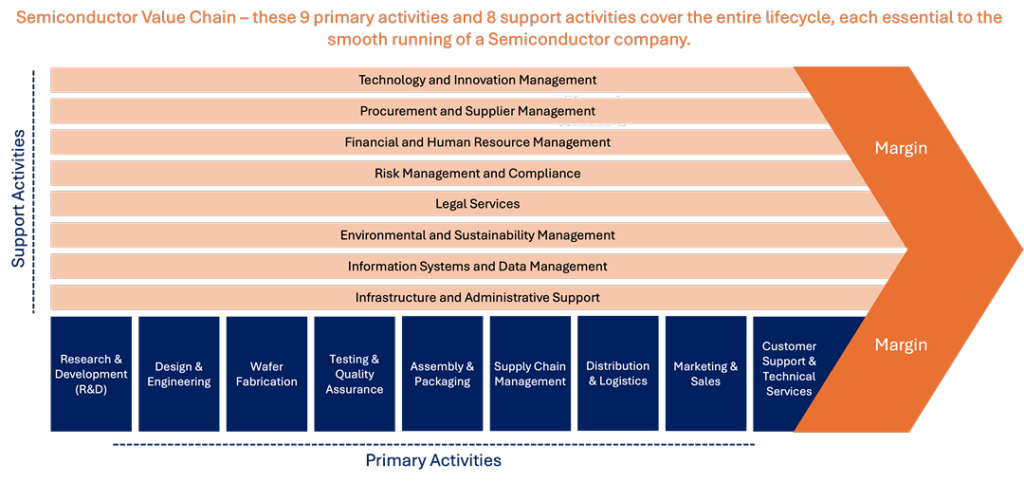
Figure 1 Example: Semiconductor Value Chain
“The semiconductor industry value chain integrates R&D, design, fabrication, assembly, and distribution to deliver high-performance semiconductor devices that power a wide range of applications. Continuous innovation and adherence to rigorous testing and quality standards ensure that semiconductor products meet the evolving demands of various end-user industries.” Flevy Lean
Achieving Balanced Growth: Why Companies Must Excel at Both Organic and Inorganic Strategies
Organic and inorganic growth strategies are often seen as separate disciplines – but the most successful industrial firms treat them as interconnected levers. Organic growth fosters innovation and resilience; inorganic growth accelerates capability building and market access.
To compete in today’s environment, boards must steer the organisation toward a dual-growth model, allocating capital and leadership attention in a way that reinforces both internal innovation and strategic external expansion.
The Growth Imperative
- Organic growth: Expansion through internal innovation, product and service development, supply chain resilience, customer acquisition, and operational efficiency.
- Inorganic growth is driven by mergers, acquisitions, and strategic partnerships that rapidly expand capabilities, technologies, or market access.
While distinct, these paths must be synergised to build resilient, scalable, and future-ready organisations.

Figure 2 Strategy Execution Process
Organic Growth Strategies: Building Strength from Within
1. Accelerate Digital Transformation
- Strategic Response: Deploy advanced technologies across operations to improve asset performance, productivity, and agility.
- Case Example: Siemens’ MindSphere, its IoT platform, enables predictive maintenance and real-time analytics across industrial systems – positioning Siemens as both a product and service innovator.
- Board Actions: Mandate a group-wide digital maturity assessment, link digital ROI to executive KPIs, and ensure C-level sponsorship of transformation initiatives.
2. Build Supply Chain Resilience
- Strategic Response: Invest in AI-driven supply chain visibility, dual sourcing strategies, and regionalised production.
- Case Example: GE’s local-for-local approach ensures component availability during global disruptions while strengthening customer relationships through regional customisation.
- Board Actions: Review supply chain risk dashboards quarterly, fund predictive analytics capabilities, and consider resilience as a strategic investment – not just a cost centre.
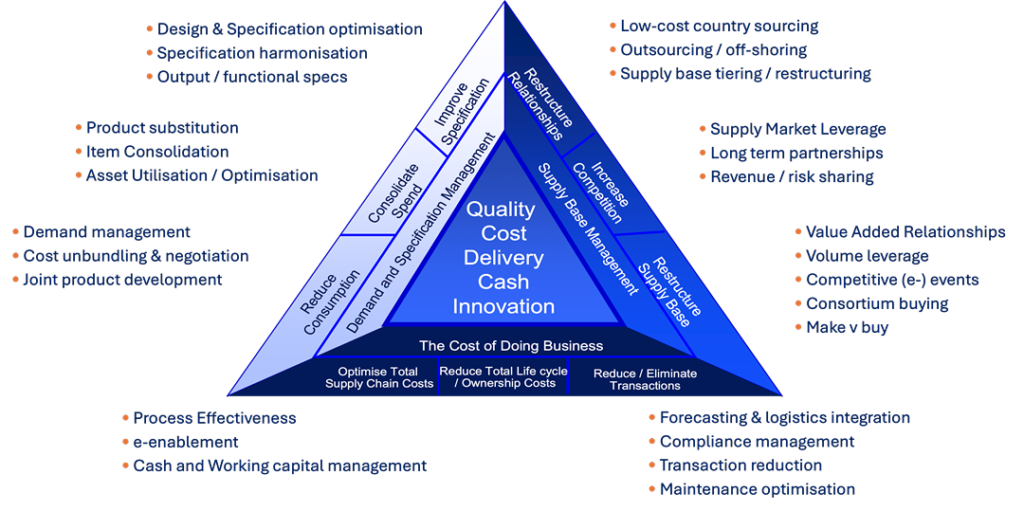
Figure 3 Supply Chain Cost Reduction Levers
3. Future-Proof the Workforce
- Strategic Response: Create internal “digital academies,” partner with academic institutions, and upskill existing employees in automation, AI, and data literacy.
- Case Example: Caterpillar’s technical training programs in robotics and digital systems prepare its workforce for next-gen operations.
- Board Actions: Treat workforce development as strategic infrastructure. Demand progress reports on talent gaps, retention, and training ROI.
4. Integrate Sustainability into Core Strategy
- Strategic Response: Embed sustainability in R&D, operations, and product portfolios – not just compliance.
- Case Example: Schneider Electric’s EcoStruxure not only helps clients meet ESG goals but generates recurring digital services revenue, demonstrating that sustainability can be profit-generating.
- Board Actions: Tie executive compensation to ESG performance, require scenario analysis on climate risks, and oversee credible net-zero transition plans.
Compliance-driven ESG versus Value-creating ESG
Compliance-Driven ESG (Baseline)
Objective: Avoid penalties, litigation, and reputational damage.
Examples:
- Meeting EU Green Deal reporting standards.
- SEC climate disclosures.
- Carbon footprint tracking for mandatory reporting.
Board lens: Treats ESG as risk management and cost of doing business.
Value-Creating ESG (Strategic)
Objective: Differentiate, generate revenue, and capture margin upside.
Green Premium Monetization Strategies:
- Product-level differentiation: Offering sustainable or circular products at a premium price (e.g., low-carbon steel, recyclable components).
- Digital + ESG bundles: Embedding energy efficiency and sustainability into product-service platforms, creating recurring revenue (e.g., Schneider Electric’s EcoStruxure, Siemens’ digital twins for carbon reduction).
- Customer pull-through: Winning contracts with corporates whose own procurement standards require ESG alignment (e.g., automotive OEMs sourcing only from low-emission suppliers).
- Financing advantage: Access to cheaper capital via green bonds and sustainability-linked loans – effectively monetizing ESG through cost-of-capital arbitrage.
- Market access: Positioning for preferential treatment in regulated or subsidy-driven markets (e.g., EU clean-tech incentives, U.S. Inflation Reduction Act credits).
Board Imperative
Boards should shift ESG oversight from compliance to monetization, asking:
- How can ESG investments create customer willingness to pay more?
- Can sustainability-enabled offerings open new markets or segments?
- How is ESG factored into M&A screens (e.g., only pursuing acquisitions that enhance low-carbon capabilities)?
- What’s the ROI of ESG in terms of pricing power, contract wins, and cost of capital – not just risk avoidance?
Inorganic Growth Strategies: Gaining Capabilities at Speed
1. Pursue Capability-Focused Acquisitions
- Strategic Response: Target companies with digital, automation, or ESG-aligned capabilities that complement the core.
- Case Example: Rockwell Automation’s acquisition of ASEM expanded its industrial PC and digital capabilities, enhancing customer solutions across automation verticals.
- Board Actions: Establish clear M&A criteria linked to digital and sustainability strategy; require post-merger integration plans that prioritise cultural and systems alignment.
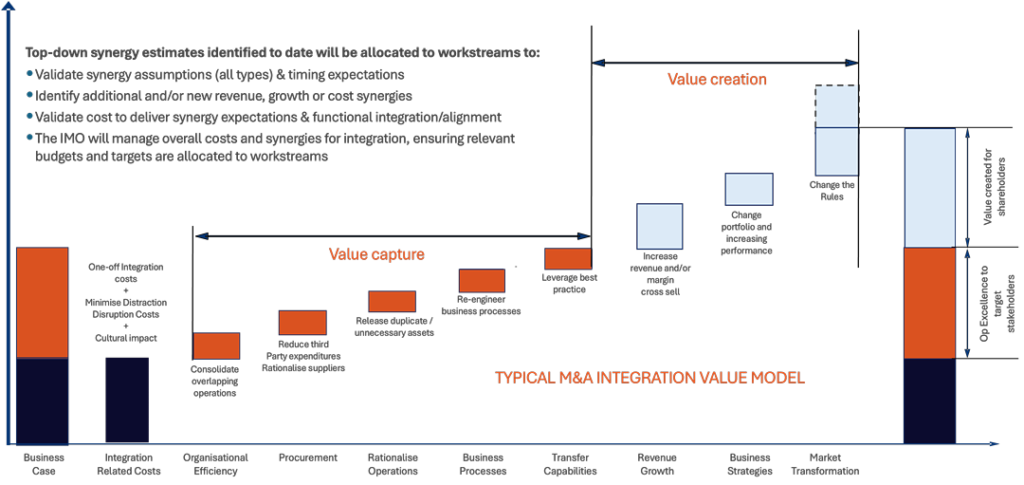
Figure 4 Identifying Value Capture & Value Creation Synergies to Maximise Deal ROI
2. Form Strategic Alliances and Ventures
- Strategic Response: Collaborate with tech startups or peers to access IP, scale innovation, and share risk.
- Case Example: Boeing’s partnership with Microsoft to develop digital twin technologies enables faster, safer aircraft design without bearing the full R&D burden.
- Board Actions: Encourage formation of venture arms or innovation hubs; consider open innovation models as part of long-term R&D strategy.
3. Expand into High-Growth Emerging Markets
- Strategic Response: Leverage joint ventures or targeted acquisitions to access infrastructure-led growth in Asia, Africa, and Latin America.
- Case Example: ABB’s stake in China’s Chargedot allowed immediate entry into the booming EV charging market, aligning with its broader electrification strategy.
- Board Actions: Commission market-entry risk assessments; ensure local relevance in product, pricing, and partnership models.
Strategic Framework for the Boardroom: Driving Dual-Growth Excellence
To institutionalise a balanced growth approach, boards and executive teams should embed the following practices:
- Strategic Alignment: Regularly reassess strategic priorities through SWOT and PESTLE analysis to ensure both organic and inorganic initiatives align with long-term value creation.
- Digital + ESG Integration: Ensure transformation strategies deliver both efficiency gains and sustainability impact – treating digital and ESG as synergistic rather than separate tracks.
- Agile Governance: Establish cross-functional leadership teams with board-level oversight to manage innovation, acquisitions, and strategic partnerships.
- Disciplined Execution: Use metrics – ranging from revenue growth and productivity to sustainability KPIs – to monitor progress. Maintain flexibility to pivot strategies as market conditions evolve.
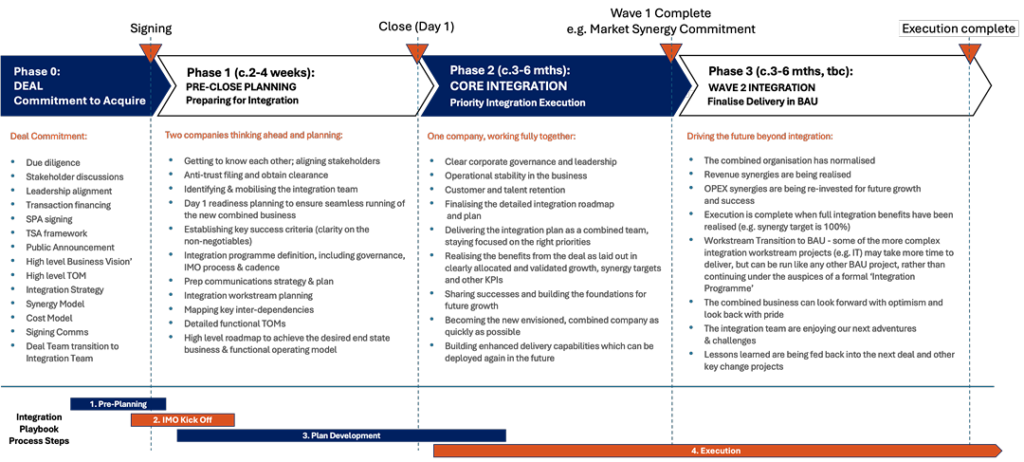
Figure 5 Comprehensive M&A Integration Planning from Due Diligence to Execution
A Regional Perspective: How Does this Framework Apply To Firms in Southeast Asia
A Southeast Asia (SEA) headquarters context changes the dynamics quite a bit, because the macro environment, regulatory frameworks, and market realities differ from Europe or North America. Here’s how the article’s themes play out differently for SEA companies:
1. Digital Transformation & Technology Adoption
Global view: Western incumbents face cultural inertia and legacy systems; smaller players struggle with capital and talent.
SEA nuance:
- Many SEA industrials are leapfrogging directly to advanced technologies (AI, IoT, automation) because they are less burdened by outdated infrastructure.
- Cost sensitivity is higher, so adoption often relies on partnerships with global tech players (e.g., Microsoft, Siemens, Huawei).
- Digital maturity varies sharply between Singapore (high) and markets like Indonesia, Vietnam, or the Philippines (fragmented adoption).
Board lens: Prioritize ecosystem partnerships and government-backed digital programs rather than building everything in-house.
2. Supply Chain Resilience
Global view: Boards shift from just-in-time to resiliency, with dual sourcing and nearshoring.
SEA nuance:
- SEA is positioned as a winner from supply chain diversification – benefiting from the “China+1” strategy as multinationals relocate production.
- Boards in SEA need to think about positioning HQ as a regional supply chain hub, leveraging free trade agreements (ASEAN, RCEP).
- Local risks: infrastructure bottlenecks, port congestion, and exposure to regional climate shocks (typhoons, flooding).
Board lens: Push for regional supply chain visibility tools and invest in climate resilience for logistics networks.
3. ESG & Sustainability
Global view: Compliance-driven in EU/US, increasingly tied to investor and regulatory pressure.
SEA nuance:
- Regulations are less mature but evolving fast (e.g., Singapore carbon tax, Malaysia’s Bursa ESG disclosure rules).
- Many SEA customers are still price-driven, meaning “green premium” pricing is harder unless you serve global MNCs or export markets.
- For export-oriented SEA firms, ESG is a market-access requirement rather than a differentiator.
Board lens: Treat ESG as a license to operate globally (for EU/US buyers) while exploring cost-saving ESG plays (energy efficiency, renewables, waste reduction) as profit drivers.
4. Workforce & Talent
Global view: Ageing workforce, digital skills gap, cultural resistance.
SEA nuance:
- Younger demographics mean talent availability is less about ageing, more about skill gaps.
- Shortage of mid-to-high tech talent (automation engineers, data scientists), especially outside Singapore.
- Risk of brain drain as skilled workers migrate to developed markets.
Board lens: Build regional talent partnerships with universities and explore shared training academies across ASEAN operations.
5. Global Competition & Market Expansion
Global view: Western incumbents face pricing pressure from Asian players.
SEA nuance:
- Local firms are competing against Chinese cost leaders in their home region — often in EV, electronics, and heavy equipment.
- SEA players can differentiate through local customer proximity, government partnerships, and tailored solutions rather than pure cost.
- Regional growth opportunities in infrastructure, urbanisation, and renewable energy are massive.
Board lens: Consider regional expansion within ASEAN first (infrastructure-led growth in Vietnam, Indonesia, Philippines) before stretching globally.
Implications for SEA-Headquartered Boards
Compared to Europe/US, boards in SEA need to:
- Leverage geopolitical repositioning (China+1) to attract supply chain investment.
- Balance global ESG standards with local price realities, monetizing sustainability mainly through export markets rather than domestic green premiums.
- Partner for digital acceleration, rather than pursuing fully internal R&D.
- Invest heavily in workforce skill-building, tapping into young demographics.
- Pursue regional growth aggressively, positioning as the hub between China and India.
The Implications of AI in Industrials & Manufacturing: A Summary

AI is transforming the Manufacturing, Industrials, and Engineering industries by enhancing production efficiency, improving quality control, automating processes, and optimising supply chains. From predictive maintenance to smart manufacturing systems, AI is driving operational excellence and cost savings across these sectors. Here’s how AI is impacting each of these industries:
1. AI in Manufacturing
AI is optimising operations and enabling smarter production lines through:
Predictive Maintenance
- AI analyses sensor data from equipment to predict failures before they occur, reducing downtime and maintenance costs.
- AI-based algorithms identify patterns that indicate potential malfunctions, enabling timely interventions.
Example: General Electric (GE) and Siemens use AI for predictive maintenance to improve the uptime of manufacturing machinery.
Smart Manufacturing & Automation
- Robotics and AI-driven systems automate tasks like assembly, packaging, and quality checks.
- AI optimises production schedules by predicting demand fluctuations, enabling agile manufacturing.
Quality Control & Defect Detection
- AI-powered vision systems inspect products at high speed, detecting defects with greater precision than human inspectors.
- Machine learning algorithms learn from historical quality data to predict and prevent defects.
Example: BMW uses AI-based visual recognition systems for quality control in car production, ensuring precision in the assembly line.
Supply Chain Optimisation
- AI forecasts demand and optimises the supply chain, reducing waste and ensuring just-in-time inventory.
- AI-powered systems optimise shipping routes and warehouse management.
Example: Toyota and Volkswagen use AI to optimise their supply chains and improve manufacturing flexibility.
2. AI in Industrials
AI is driving efficiency, safety, and innovation in industrials by:
Industrial Automation & Robotics
- AI-powered robots handle dangerous or repetitive tasks, improving worker safety and productivity.
- Collaborative robots (cobots) work alongside humans to increase operational efficiency.
Industrial Internet of Things (IIoT)
- AI connects industrial machines, collects data from sensors, and analyses performance in real time.
- AI-powered IIoT solutions identify inefficiencies and areas for improvement in industrial processes.
Example: Honeywell and ABB use AI in IIoT applications to improve performance monitoring and optimise industrial operations.
Energy Efficiency & Sustainability
- AI optimises energy usage in industrial operations, helping companies reduce costs and carbon footprints.
- AI helps track emissions and ensures compliance with environmental regulations.
Example: Schneider Electric uses AI to optimise energy consumption in industrial facilities and reduce waste.
3. AI in Engineering & Design
AI is transforming engineering and design processes by:
Generative Design
- AI-driven generative design algorithms explore design options based on constraints (e.g., material, weight, strength) and produce optimised solutions.
- AI automates design iterations, speeding up the prototyping phase.
Example: Autodesk’s generative design software allows engineers to create innovative designs by using AI to generate thousands of possibilities based on set parameters.
Simulation & Modelling
- AI enhances simulation models used in engineering to predict how structures will behave under various conditions.
- Machine learning improves the accuracy of simulations, enabling engineers to test products before physical trials.
AI in Structural Health Monitoring
- AI analyses sensor data from bridges, buildings, and roads to monitor their structural health and predict maintenance needs.
- AI helps extend the lifespan of critical infrastructure by identifying wear and tear early.
Example: Bosch and Siemens use AI to monitor the health of industrial infrastructure and optimise asset management.
4. AI in Product Lifecycle Management (PLM)
AI enhances product lifecycle management by:
Design Optimisation & Customisation
- AI-powered tools offer real-time insights into the design and production processes, improving product quality.
- AI facilitates mass customisation, allowing manufacturers to produce personalised products at scale.
AI in Supply Chain & Procurement
- AI algorithms analyse market trends, optimise supplier selection, and forecast procurement needs, leading to reduced costs and supply chain efficiency.
Example: Caterpillar uses AI in supply chain management to optimise part sourcing, inventory management, and logistics.
5. AI in Safety & Risk Management
AI is improving workplace safety and risk management by:
AI-Powered Safety Systems
- AI-driven cameras and sensors monitor factory floors for safety violations, such as workers entering dangerous areas.
- AI provides real-time alerts to prevent accidents and improve worker safety.
Risk Prediction & Management
- AI models predict potential risks in manufacturing environments, from equipment malfunctions to supply chain disruptions.
- AI-driven risk management tools help businesses mitigate threats to productivity, safety, and regulatory compliance.
Example: ABB’s AI-powered safety systems ensure workplace safety by detecting hazards and sending alerts to workers and managers.
Challenges of AI in Manufacturing & Industrials
- High initial costs – Implementing AI and automation requires significant investment in technology and training.
- Integration with legacy systems – Many industrial companies still use outdated systems, making AI integration challenging.
- Workforce displacement – Automation can lead to job losses or the need for reskilling workers for more complex tasks.
- Data privacy & security – AI systems handling critical infrastructure or sensitive production data are vulnerable to cyber threats.
AI is transforming the Manufacturing, Industrials, and Engineering industries by improving efficiency, reducing costs, enhancing product quality, and enabling smarter, more sustainable operations. The adoption of AI technologies is crucial for companies aiming to stay competitive in a fast-evolving global market.
Conclusion: Leadership Imperatives for a New Industrial Era
The industrials and engineering sectors are at an inflection point. Disruption is no longer episodic – it’s structural. Companies that respond with incrementalism or tactical fixes will fall behind. Those that embrace a dual-growth mindset, underpinned by digital leadership, ESG integration, and strategic agility, will define the next era of industrial success.
As demonstrated by Siemens, Honeywell, Schneider Electric, and other leaders, the key to enduring value lies in mastering both the engine of internal innovation and the accelerator of external growth.
For boards and executive teams, the challenge is not choosing between organic or inorganic strategies – but achieving excellence in both.