Executive Summary
The logistics and transportation industry stands at a defining crossroads. The sector is grappling with overlapping shocks – from pandemic aftereffects and geopolitical instability to technological disruption and tightening sustainability mandates. At the same time, customer expectations for speed, transparency, and environmental responsibility are accelerating transformation. To remain competitive, firms must master a dual-growth agenda: driving innovation and operational excellence internally (organic growth), while leveraging acquisitions, alliances, and partnerships (inorganic growth) to scale capabilities at speed.
This article examines the most pressing strategic challenges and the ways leading companies are responding with innovation, digital transformation, and disciplined growth strategies. The winners will be those who not only adapt to disruption but also redefine the very meaning of logistics in a digital, sustainable, and customer-first era.
Key Takeaways
- Labour Shortages Require Automation and Upskilling
Persistent driver deficits and warehouse turnover are driving firms to deploy robotics, autonomous vehicles, and structured reskilling programs, positioning technology as both a stopgap and long-term solution.
- Rising Costs and Sustainability Pressures Demand Smarter Operations
Fuel volatility and carbon compliance rules are forcing logistics players to embrace route optimisation, alternative fuels, and phased fleet electrification, balancing cost control with green imperatives.
- Supply Chain Resilience Hinges on Diversification and Infrastructure Investment
Geopolitical shocks, climate disruptions, and infrastructure gaps underscore the need for diversified supplier bases, multimodal strategies, and digital supply chain visibility.
- Digital Transformation Is a Survival Imperative
Legacy IT systems and integration gaps threaten competitiveness, making AI, IoT, automation, and cybersecurity foundational capabilities for the next generation of logistics leaders.
- Growth Requires a Hybrid Strategy – Organic and Inorganic
Companies must reinvent from within via AI, digital twins, and workforce transformation, while simultaneously pursuing disciplined M&A and partnerships to accelerate scale and capability acquisition.
- AI Is Redefining Logistics as a High-Tech Industry
From predictive analytics and warehouse automation to autonomous fleets and green logistics, AI is becoming the backbone of efficiency, resilience, and customer experience – but adoption requires overcoming cost, regulatory, and integration hurdles.
Strategic Challenges In The Logistics & Transportation Sector
Navigating Growth in a Disrupted Era
The logistics and transportation industry is at an inflection point. Years of global turbulence – from pandemic aftershocks to geopolitical instability – have exposed deep vulnerabilities in supply chains. Simultaneously, technology, regulation, and sustainability demands are reshaping the sector’s growth trajectory.
As firms race to meet rising expectations for speed, transparency, and environmental responsibility, they must chart a dual-growth path: innovating from within (organic growth) while leveraging M&A and partnerships (inorganic growth) to bridge capability gaps and scale rapidly.
This article explores the most pressing strategic challenges facing the sector and how forward-looking firms are overcoming them.
Core Strategic Challenges
1. Labour Shortages and Workforce Disruption
Driver Deficit
The American Trucking Associations estimate a shortfall of over 60,000 truck drivers – a gap projected to hit 160,000 by 2030. This not only raises wages and delivery costs but also triggers cascading delays across logistics networks. The crisis is driven by an aging workforce, licensing barriers, and unattractive job conditions.
Warehouse Volatility
With the rise of e-commerce, demand for skilled warehouse workers has surged. However, turnover rates in warehousing reached 136% in 2023, forcing firms like Amazon to implement automated sorting systems to reduce dependency on human labour.
Example: To tackle labour shortages, companies like FedEx have turned to automation. FedEx employs autonomous tugs to streamline package sorting at its hubs, reducing dependency on manual labour. Additionally, they’ve launched training programs aimed at upskilling workers to handle more technology-driven roles, ensuring a better-equipped workforce for the future.
2. Rising Costs and Environmental Mandates
Fuel Volatility
Fuel accounts for up to 40% of transport operational costs. In 2024, Brent crude price swings of over 20% led to massive cost forecasting challenges.
Example: Rising fuel costs have prompted companies like UPS to adopt route optimisation technologies. UPS’s “Orion” system uses AI to map the most efficient delivery routes, saving millions of gallons of fuel annually. Additionally, UPS is exploring alternative fuels, such as compressed natural gas (CNG) and renewable diesel, to lower dependence on traditional fossil fuels.
Carbon Compliance Pressure
Stringent emissions targets – like the EU’s “Fit for 55” and California’s Advanced Clean Fleets rule – are accelerating the shift to low-emission vehicles. Yet EVs and hydrogen trucks come with high capital costs and charging infrastructure challenges. Biodiesel can be a more cost-effective option.
Example: DHL plans to electrify 60% of its last-mile fleet by 2030, using EVs for urban deliveries while partnering with Volvo for heavy-duty e-trucks on regional routes.
3. Fragile and Fragmented Supply Chains
Geopolitical and Climate Disruptions
The Red Sea crisis, U.S.-China tensions, and extreme weather events have disrupted roughly 75% of global logistics networks in the past year, forcing re-routes and buffering costs.
Example: During the COVID-19 pandemic, Apple demonstrated resilience by diversifying its supplier base. Instead of relying solely on China for manufacturing, Apple expanded production to countries like India and Vietnam. This strategic move allowed the company to mitigate risks from localized disruptions and maintain a steady supply of products worldwide.
Aging Infrastructure
Many regions – particularly in emerging markets – lack the digital and physical infrastructure needed for agile, multimodal logistics.
Example: India’s PM Gati Shakti plan aims to modernize roads, ports, and digital tracking systems to boost logistics efficiency and reduce costs by up to 10% of GDP.
Increasing Supply Chain Complexity
Tackling the evolving challenges in logistics and supply chains requires innovative solutions and real-world strategies. Across the globe, companies and industries are already stepping up to address these hurdles effectively.
Example: global retailer Walmart implemented advanced supply chain analytics. By leveraging data from its suppliers, logistics partners, and stores, Walmart optimised inventory levels and ensured timely delivery of goods, even during the pandemic. For example, the company uses AI-driven software to predict demand at a granular level, enabling more accurate restocking and reducing supply chain disruptions.
“Inventory errors can cost businesses anywhere from 10% to 30% of their annual profits. This translates to billions of dollars lost globally each year due to inefficient inventory management practices”, Ian Kirkpatrick, Performance Coach – Supply Chain
4. Accelerating Technological Change
Legacy IT and Integration Gaps
Roughly 65% of logistics firms still operate on siloed or outdated ERP systems, making AI integration and automation difficult. Digital transformation and technology integration are key capabilities for future-fit companies.
Example: Maersk, a leading shipping company, embraced blockchain technology to enhance transparency and efficiency. Its “TradeLens” platform, allows all supply chain stakeholders to access real-time shipment data. This has significantly reduced paperwork, improved accuracy, and sped up customs clearance, benefiting both the company and its clients. Similarly, Amazon uses sophisticated robotics in its warehouses to automate inventory management and improve order fulfilment speed.
Changing Consumer Expectations
Example: To meet growing e-commerce demands, Zara, a fast-fashion retailer, has implemented a highly flexible supply chain model. The company uses advanced logistics hubs to ensure quick adjustments to inventory based on customer preferences. This system allows Zara to go from design to store shelves in just weeks, keeping pace with shifting consumer expectations for speed and personalisation.
Cybersecurity Risks
The digital shift has increased attack surfaces. In 2024, ransomware attacks on logistics firms rose 62%, targeting fleet management systems and warehouse automation.
Example: Maersk, after a £250m cyberattack in 2017, invested in a zero-trust cybersecurity framework, now considered a benchmark for maritime logistics. To counter increasing cybersecurity threats, companies like Microsoft are setting the standard by investing in multi-layered security frameworks. Microsoft’s supply chain incorporates encrypted data transfers, routine system audits, and advanced AI to detect and mitigate threats in real-time. Smaller firms are also following suit by outsourcing cybersecurity management to specialized firms, ensuring robust protection without requiring in-house expertise.
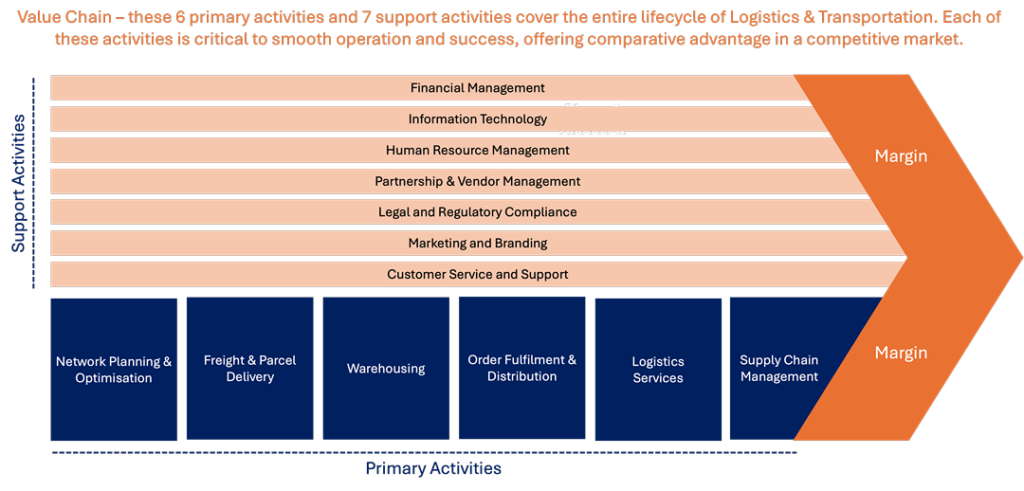
Figure 1 Logistics & Transportation Value Chain
“The Logistics & Transportation Value Chain integrates network planning, delivery, warehousing, and supply chain management to provide efficient and reliable movement of goods. Optimised logistics services and order fulfilment are critical for meeting customer demands and maintaining competitiveness in a rapidly evolving market. Continuous improvement and strategic partnerships enhance the value chain’s ability to adapt to market changes and technological advancements.” Flevy Lean
Overcoming the challenges in logistics and supply chains is no longer a distant goal but a pressing necessity. Companies like Walmart, Maersk, DHL, Microsoft, and others have shown that it is possible to tackle these hurdles with innovation, strategic investments, and collaboration. By adopting these real-world strategies, businesses can not only navigate current challenges but set the foundation for a more resilient and sustainable supply chain future.
As the industry continues to evolve, the key to success lies in adaptability, creativity, and a willingness to embrace new technologies and practices.
Balancing Growth in The Logistics & Transportation Sector: Strategic Imperatives for a Disruptive Era
As a specialist consultant, we have witnessed the logistics and transportation sector undergo profound transformation. The dual engines of organic and inorganic growth are more vital than ever for long-term competitiveness – yet both present unique and overlapping challenges.
The Growth Imperative in Transport & Logistics
- Organic growth: Expansion through internal innovation, product and service development, customer acquisition, and operational efficiency.
- Inorganic growth is driven by mergers, acquisitions, and strategic partnerships that rapidly expand capabilities, technologies, or market access.
While distinct, these paths must be synergised to build resilient, scalable, and future-ready organisations.
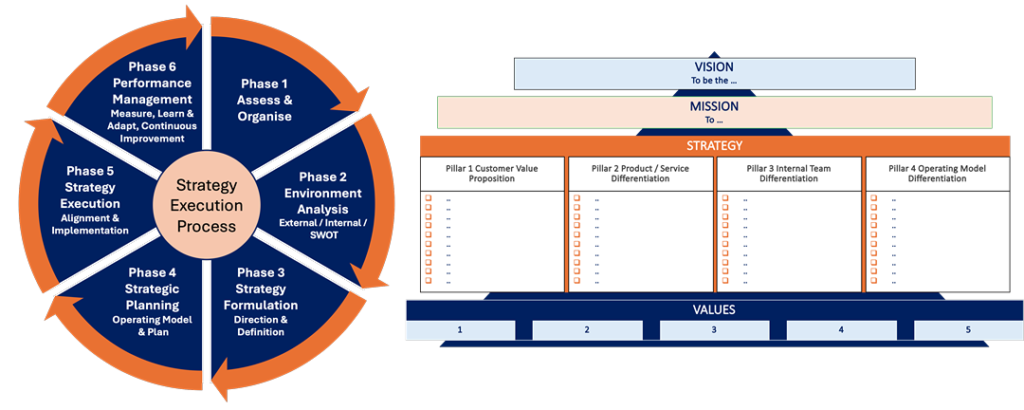
Figure 2 Strategy Execution Process
Organic Growth: Reinventing from Within
Internal Innovation and Capability Building
- High Investment Hurdles
Building autonomous vehicles or robotics platforms requires long-term R&D outlays. For instance, TuSimple invested over $50M in self-driving tech before securing regulatory trials.
- Workforce Reskilling
Estimates indicate that 50% of logistics firms lack structured upskilling programs for automation and digital tools, risking obsolescence in frontline roles.
Tactic: Firms like UPS partner with Coursera and edX to offer AI and logistics certifications for middle management and line workers.
Operational Efficiency Levers
- AI for Route Optimisation: Machine learning algorithms can reduce fuel use by 15% and shrink delivery windows by 20%.
- Digital Twins: Virtual modelling of supply chains enables real-time scenario planning for disruptions.
- Green Fleet Transition: Phased EV rollout – with charging hubs in high-density routes – reduces carbon footprint while qualifying for green subsidies.
Example: FedEx is piloting AI-powered dynamic routing software that adjusts delivery paths in real time based on traffic, weather, and demand changes.
Inorganic Growth: Accelerating Through M&A and Alliances

Figure 3 Identifying Value Capture & Value Creation Synergies to Maximise Deal ROI
Strategic M&A Momentum
- Consolidation Trends
M&A in logistics surged 40% YoY in 2024. Key drivers include acquiring AI, IoT, and automation capabilities or expanding into new geographies.
Example: Radiant Logistics’ acquisition of Select Cartage gave it access to last-mile capabilities in key North American markets, improving service levels.
- Integration Challenges
Post-merger integration is fraught with operational, cultural, and technological hurdles. Without careful planning, firms risk losing clients, demoralising employees, and missing out on anticipated synergies.
- Culture and Systems Misalignment
70% of logistics M&A underdeliver due to integration issues. Different IT architectures and management styles can stall synergies.
- Debt Constraints
Post-deal debt burdens often lead to deferred innovation. PS Logistics, for example, after a series of acquisitions, paused digital initiatives to service debt obligations.
Beyond M&A: Strategic Partnerships
- Tech Collaborations: Partnering with IoT or robotics firms accelerates innovation without full acquisition risk.
- Public-Private Models: Government-backed innovation sones help scale smart logistics hubs.
- Platform Ecosystems: APIs and data-sharing with customers improve transparency and trust.
Example: DB Schenker’s partnership with Volocopter explores drone-based freight in urban areas, signalling next-gen multimodal logistics.
Figure 4 Comprehensive M&A Integration Planning from Due Diligence to Execution
Policy and Ecosystem Enablers
Skill Hubs: Germany’s “Logistics Training Hubs” co-funded by industry and government are closing the labour gap in warehousing and automation.
Subsidy Alignment: The U.S. Inflation Reduction Act offers 30% tax credits for zero-emission vehicle infrastructure, helping firms defray green fleet costs.
Regulatory Sandboxes: Singapore’s logistics innovation zones allow real-world testing of autonomous delivery vehicles and digital customs platforms.
A Blueprint for Resilient Growth
To thrive in a volatile era, logistics and transportation firms must embrace hybrid growth strategies that balance innovation, agility, and scale.
Success will demand:
- Technology Integration: Embedding AI, IoT, and automation into the operating model.
- Talent Transformation: Rebranding logistics as a high-tech industry and investing in digital skills.
- Strategic M&A Discipline: Pursuing acquisitions with clear value creation plans and cultural alignment.
- Collaborative Ecosystems: Building open innovation platforms with tech, government, and adjacent sectors.
- Sustainability as Strategy: Aligning carbon goals with operational efficiencies for long-term value.
Case-in-Point: DHL’s “Strategy 2025” exemplifies this integrated approach—combining digital twin pilots, last-mile EV fleets, and targeted acquisitions in e-commerce logistics to build a future-ready operation.
Summary Table: Strategic Challenges and Responses
| Challenge | Strategic Response | Example |
| Labour Shortages | Reskilling & automation | Walmart’s AI-enabled warehouses |
| Cost Pressures | Route optimisation, EV rollout | FedEx dynamic routing |
| Fragile Supply Chains | Infrastructure investment | India’s PM Gati Shakti |
| Tech Gaps | Cloud-native platforms, cybersecurity | Maersk’s zero-trust model |
| M&A Risks | Pre-deal audits, post-merger playbooks | Radiant Logistics acquisition |
In an industry shaped by flux, the winners will not just adapt – they will redefine what logistics means in the digital, sustainable, and customer-first era.
The Implications of AI in Transportation & Logistics
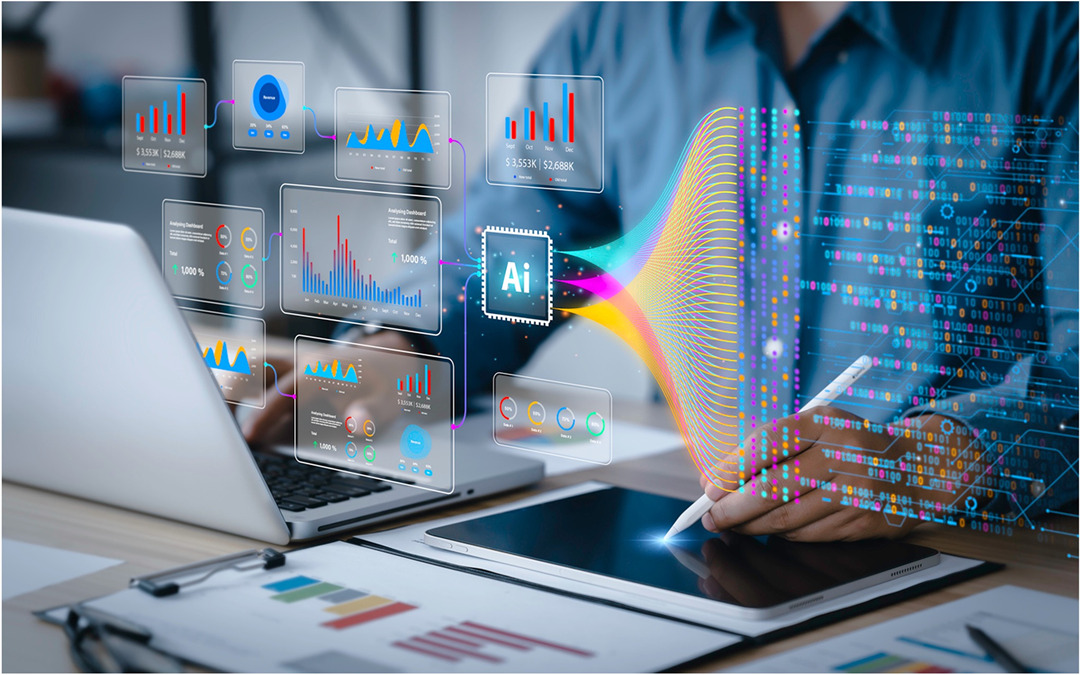
AI is transforming the Transport and Logistics sector by enhancing efficiency, reducing costs, improving safety, and providing personalised customer experiences. The integration of AI technologies in transportation, from autonomous vehicles to AI-powered logistics management systems, is revolutionising the way goods and people move globally. Here’s how AI is impacting these industries:
1. AI in Transportation & Autonomous Vehicles
AI is reshaping the way transportation systems function, from autonomous vehicles to traffic management:
Autonomous Vehicles (AVs)
- AI is at the heart of self-driving cars, trucks, and delivery vehicles, using advanced sensors, computer vision, and machine learning to navigate safely.
- AI enables real-time decision-making in complex environments, such as urban streets or highways.
Example: Waymo (owned by Alphabet) has developed autonomous cars and trucks that are improving passenger and freight transport with AI-powered driving systems.
Traffic Management & Route Optimisation
- AI analyses traffic patterns in real-time to optimise traffic flow, reduce congestion, and minimise travel time.
- AI-powered route planning tools use historical data and real-time information to adjust delivery routes dynamically, optimising for traffic, weather, and other variables.
Example: Uber and Lyft use AI to optimise ride-sharing routes, offering faster, more efficient trips.
AI for Fleet Management
- AI tools help manage fleets of vehicles by predicting vehicle maintenance needs, monitoring fuel efficiency, and tracking driver performance.
- AI ensures optimal vehicle deployment, reducing downtime and costs.
Example: Tesla’s fleet of electric trucks and vehicles uses AI for route optimisation, predictive maintenance, and autonomous driving capabilities.
2. AI in Logistics & Supply Chain Management
AI is driving efficiency, accuracy, and agility in logistics and supply chain operations:
Demand Forecasting & Inventory Management
- AI analyses vast amounts of data to predict demand fluctuations, helping businesses optimise inventory levels and reduce stockouts or overstocking.
- AI-powered systems forecast the best times to reorder products and determine the most efficient stocking strategies.
Example: Amason uses AI-driven algorithms to forecast demand, optimise warehouse management, and speed up fulfilment processes.
Warehouse Automation
- AI is behind automated robots that manage sorting, picking, packing, and inventory in warehouses.
- Robotic process automation (RPA) combined with AI reduces the need for manual labour and improves accuracy.
Example: Ocado and Walmart use AI-powered robots and automation to optimise warehouse operations and increase picking accuracy.
AI-Powered Last-Mile Delivery
- AI optimises last-mile delivery by using real-time data to adjust routes based on factors like traffic, weather, and delivery schedules.
- AI helps companies deploy autonomous delivery vehicles, drones, and robots to speed up last-mile fulfilment.
Example: UPS uses AI for package tracking and route optimisation in their delivery network, improving efficiency and reducing fuel consumption.
3. AI in Predictive Analytics & Supply Chain Visibility
AI enhances supply chain operations by providing real-time insights and predictions:
Predictive Analytics for Supply Chain Optimisation
- AI analyses historical data and real-time events to predict disruptions in the supply chain, such as delays, shortages, or disruptions in global trade.
- AI-powered systems help businesses mitigate risks by proactively addressing potential bottlenecks or delays in production and delivery.
Example: DHL and Maersk use AI to predict supply chain disruptions and optimise shipping routes to mitigate risks.
Real-Time Supply Chain Visibility
- AI systems provide end-to-end visibility across supply chains, helping businesses track goods in transit and monitor performance.
- AI-driven tracking and IoT devices ensure transparency and improve accountability in logistics operations.
Example: IBM and Maersk’s TradeLens use blockchain and AI to offer real-time tracking and improved transparency in global supply chains.
4. AI in Customer Service & Experience
AI is improving customer interactions in the transport and logistics industries:
AI Chatbots & Virtual Assistants
- AI-powered chatbots handle customer queries, offer delivery status updates, and manage booking requests for transport services.
- AI-based virtual assistants provide personalised travel or shipping experiences, helping customers choose optimal transport options or track packages.
Example: FedEx and DHL use AI chatbots for customer support, allowing users to track packages and manage shipping queries seamlessly.
Personalised Travel & Shipping Recommendations
- AI algorithms analyse customer behaviour to recommend personalised travel routes, shipping methods, or vacation plans.
- AI enhances pricing strategies, providing personalised discounts or promotions based on individual preferences.
5. AI in Environmental Impact & Sustainability
AI is helping the transportation and logistics industries reduce their environmental footprint:
Sustainable Freight and Energy Optimisation
- AI optimises fuel efficiency, helping reduce CO₂ emissions and costs in transportation.
- AI-powered electric vehicles (EVs) and autonomous fleets are contributing to reducing emissions and improving sustainability in the transport sector.
Green Logistics and Supply Chain
- AI predicts the environmental impact of supply chain decisions, allowing companies to choose eco-friendly delivery options and packaging materials.
- AI also helps in reducing carbon footprints by optimising delivery routes and improving fuel consumption in fleets.
Example: FedEx, DHL, and UPS are using AI to implement green logistics practices and reduce emissions through optimised routes and more sustainable vehicles.
Challenges of AI in Transport & Logistics
- High Initial Costs – Implementing AI, especially in autonomous vehicles and large-scale logistics systems, requires a significant investment.
- Data Security & Privacy – AI relies on large datasets for optimisation, which can expose companies to risks if data is compromised.
- Regulation & Safety Concerns – Autonomous vehicles and AI-driven systems must comply with government regulations and safety standards, which are still evolving.
- Integration with Existing Infrastructure – Integrating AI into legacy systems can be challenging and may require overhauling infrastructure.
AI is transforming the Transport and Logistics industries by improving operational efficiency, reducing costs, enhancing customer experience, and contributing to sustainability goals. The adoption of AI technologies is essential for businesses aiming to stay competitive in a rapidly evolving landscape.