Executive Summary
Senior executives in the travel and leisure sector face an unprecedented convergence of challenges and opportunities. With the global leisure travel market projected to grow by 8% annually through 2029, potentially reaching $15 trillion by 2040, leaders must adopt growth strategies that balance customer-centric innovation, financial resilience, and sustainable practices. Growth can be pursued organically, inorganically, or through hybrid models – each with distinct benefits and risks.
To remain competitive, organisations must make deliberate strategic choices rooted in data-driven insights, partnerships, and bold experimentation.
Key Takeaways:
- Organic growth is the engine of resilience, driven by personalisation, loyalty, and digital-first customer engagement.
- Inorganic growth accelerates market presence through mergers, acquisitions, and alliances – essential for speed and competitive positioning.
- Hybrid growth models unlock agility, blending internal innovation with external deals to rapidly capture emerging opportunities.
- Evolving consumer expectations demand hyper-personalisation, from wellness-infused itineraries to sports and cultural travel.
- AI and digital disruption are redefining guest journeys, compressing margins for laggards while empowering data-driven leaders.
- Sustainability and inclusivity are strategic imperatives, shaping regulatory environments, brand trust, and long-term profitability.
Strategic Challenges In The Travel & Leisure Sector
Navigating an Era of Complexity
The travel and leisure industry is undergoing seismic change, shaped by shifting consumer demands, geopolitical uncertainty, technological disruption, and sustainability pressures. Companies must rethink growth not as a linear path, but as a portfolio of adaptive strategies.
The sector’s challenges have intensified since the post-pandemic recovery, requiring leaders to adapt swiftly.
Changing Consumer Expectations:
Modern travellers prioritise hyper-personalised, immersive, and flexible experiences, blending wellness, adventure, and cultural immersion. Gen Z and Millennials, who value experiences over possessions, are leading the charge in digital adoption, with 74% planning 1-3 domestic trips and 59% opting for 1-3 international ones in 2025. Emerging trends include “coolcations” to escape heatwaves, agritourism for rural escapes, and sports-related travel, with fans increasingly hitting the road for events. Additionally, 55% of global travellers seek relaxation as their primary style, while solo travel has become mainstream, representing 18-39% of trips among younger demographics.
Geopolitical & Economic Volatility:
Global tensions, regulatory shifts, and economic cycles continue to disrupt international travel. In the US, inbound international visits lag pre-pandemic levels, while outbound spending surges. Economic pressures are leading to budget-conscious behaviours, with 42% opting for affordable accommodations, 33% choosing shorter trips, and 32% traveling less frequently. Emerging markets like India and China are driving growth, but volatility necessitates diversified portfolios.
Technological Disruption:
AI is revolutionising the industry, from predictive maintenance and revenue management in airlines to personalised guest communications in hotels. Tools like AI chatbots, large language models (LLMs) for search, and super-apps are enabling seamless discovery, booking, and loyalty. Failure to integrate these risks disintermediation by tech-savvy platforms.
Sustainability & Inclusivity:
Environmental and social factors are non-negotiable, with sustainable travel and ecotourism topping trends. Travelers demand transparent agendas, influencing brand loyalty and regulatory compliance. Overtourism concerns are shifting preferences toward lesser-known destinations.
Strategic Impacts
These challenges are reshaping the industry landscape:
- Demand Shifts: Toward shorter, flexible, and multi-generational trips, with blended travel (e.g., bleisure) seeing a 72% year-over-year increase in bookings. Domestic travel dominates, projected to reach $11.7 trillion by 2040.
- Business Model Pressures: Digital platforms, OTAs, and new entrants are compressing margins, pushing for agile operations and “modern retailing” strategies like attribute-based selling.
- Collaboration Imperatives: Sustainability drives partnerships with local communities, wellness providers, and tech firms to create integrated offerings.
| Impact Area | Key Shifts | Projected Growth (2024-2029) |
| Leisure Overnights | Shorter, flexible trips | 4% annually |
| Spending | Budget-conscious, personalised | 8% annually |
| Emerging Markets | China, India leading | 10-12% in select segments |
Strategic Responses
Forward-thinking leaders are countering these with proactive measures:
- Customer-Centric Data Analytics: Leveraging AI for deeper insights and personalised engagement to boost loyalty.
- Resilience Building: Through scenario planning, geographic diversification, and flexible designs.
- Digital Transformation: Adopting AI, automation, and cloud for scalable guest journeys.
- Sustainability Integration: Embedding eco-friendly practices as core differentiators, including hybrid hospitality models like glamping
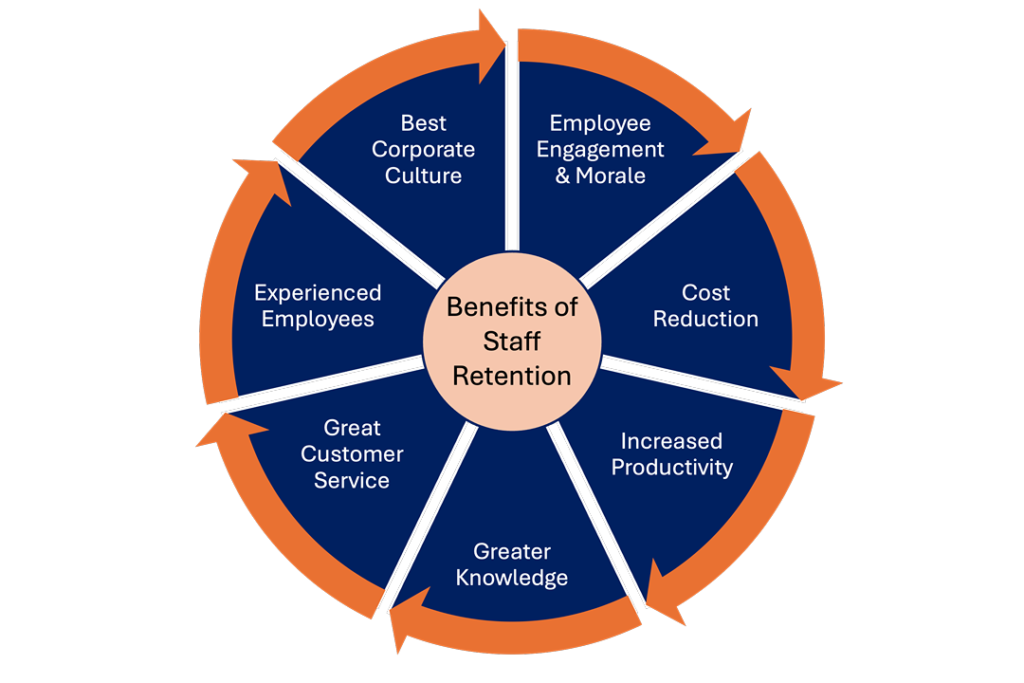
Figure 1 The Benefits of Staff Retention
Organic Growth: Building from Within
Organic growth focuses on expansion through internal capabilities, prioritising sustainable, brand-driven scale rather than quick wins. In today’s climate, organic growth rests on three pillars:
- Hyper-Personalisation and Content Excellence
- Travel decisions increasingly start online. Strong SEO, localised content, and programmatic strategies enable direct engagement, reducing reliance on OTAs.
- Example: Airbnb’s programmatic SEO strategy generated millions of location-based landing pages, fuelling its $84.56B valuation and lowering acquisition costs.
- Experience Optimisation
- Hospitality brands are transforming assets into multi-use hubs, from co-working and wellness retreats to agritourism.
- Hotels are embedding local culture and partnerships into itineraries, creating immersive experiences that command premium pricing.
- Next-Generation Loyalty Programs
- Data-powered loyalty ecosystems expand beyond discounts, offering tiered experiences, partnerships with lifestyle brands, and referral incentives.
- Airlines and hotels now use predictive analytics to proactively target travellers with curated offers, boosting lifetime value.
Strategic Payoff: Organic growth fosters resilience, higher customer stickiness, and long-term margin improvement—but requires patience, disciplined investment, and strong brand execution.
Inorganic Growth: Scaling with Speed
Inorganic growth – through M&A, joint ventures, and alliances – offers a pathway to accelerated expansion, particularly in an environment of fragmented competition and fast-shifting demand.
- Mergers & Acquisitions
- Enable immediate entry into new geographies, segments, and technologies.
- Example: Marriott International’s 2024 expansion of 123,000 rooms leveraged acquisitions to strengthen presence in Asia-Pacific and expand e-commerce capabilities.

Figure 2 Key Activities through each M&A Transaction Phase
- Strategic Partnerships & Alliances
- Partnerships with tech platforms, wellness providers, and cultural institutions allow rapid scaling without heavy capital commitments.
- Example: Cruise operators are partnering with entertainment and sports brands to attract younger demographics.
- Private Equity & Investment Vehicles
- The sector is seeing a surge of PE-backed deals, particularly in luxury resorts, online booking, and sustainable tourism. Investors seek platforms that can consolidate fragmented supply.
Strategic Payoff: Inorganic strategies deliver speed to market and competitive advantage, but risk overpaying, integration challenges, and cultural clashes if not executed with rigor.
Hybrid Growth: Blending Organic and Inorganic Strengths
Hybrid growth models combine the innovation of organic strategies with the scale of inorganic moves, creating a balanced, future-proof path.
- Ecosystem Building through Partnerships + Innovation
- Companies can organically develop digital-first platforms while inorganically acquiring content providers, local operators, or niche tech firms.
- Example: Qatar Tourism combined an AI-powered concierge app (organic) with strategic event partnerships (inorganic), boosting engagement from Indian and Southeast Asian travellers.
- Digital + Physical Integration
- Hospitality groups can invest organically in AI-driven personalisation and loyalty ecosystems, then inorganically acquire regional boutique chains to feed these ecosystems with fresh supply.
- Example: Marriott fuses its AI-based personalisation with acquisitions of regional players to create bleisure hubs—optimising both occupancy and cross-sell opportunities.
- Adaptive Business Models
- Hybrid strategies enable firms to pivot quickly, layering acquisitions onto strong internal innovation pipelines.
- Particularly suited to addressing emerging market growth (India, China) where both brand strength and local partnerships matter.
Strategic Payoff: Hybrid approaches maximise flexibility, ensuring companies capture immediate opportunities without neglecting long-term capability building.
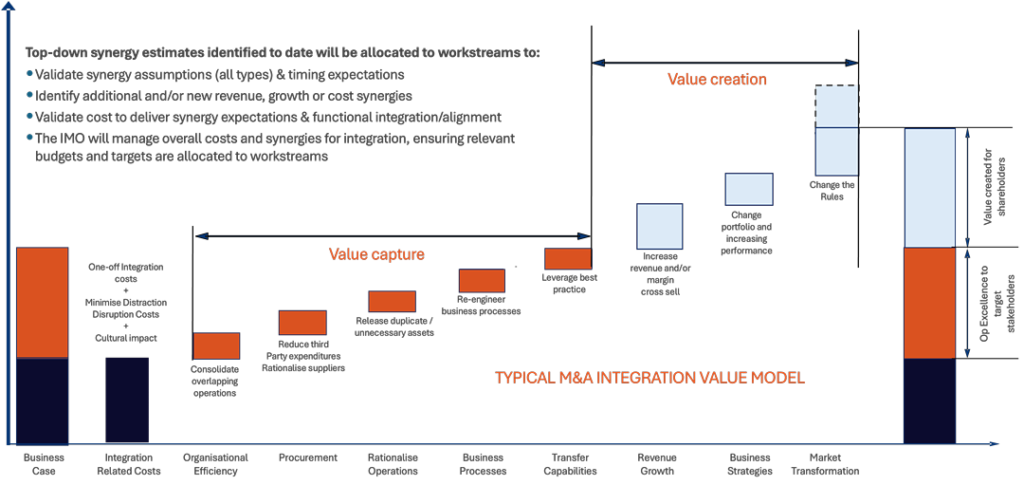
Figure 3 Synergy Planning & Delivery in M&A
Emerging Trends in 2025 and Beyond
- AI-Driven Journeys: Conversational booking, dynamic pricing, and predictive maintenance will become table stakes.
- Generational Shifts: Millennials and Gen Z continue driving demand for experience-first, tech-enabled, sustainable travel.
- Sustainability as Strategy: Regulation, consumer pressure, and brand loyalty are converging around eco-tourism, decarbonisation, and inclusive growth.
Conclusion: The Path Forward
The travel and leisure sector’s trajectory is clear: massive growth opportunities tempered by volatility. To thrive, executives must:
- Invest organically in data-driven personalisation, content, and loyalty.
- Expand inorganically through acquisitions and alliances in high-growth markets.
- Orchestrate hybrid strategies that blend both, ensuring agility and resilience.
The leaders of tomorrow will not simply react to disruption – they will curate ecosystems, design adaptive business models, and embed sustainability at the core. Success stories from Marriott, Airbnb, and Qatar demonstrate that those who blend vision, innovation, and bold execution will set the pace in a $15 trillion industry by 2040.
The Implications of AI in Travel & Leisure
AI is revolutionising the Travel & Leisure industries by enhancing customer experiences, optimising operations, and driving personalised engagement. Here’s how AI is transforming each sector:
1. AI in Travel & Tourism
AI improves efficiency and personalisation in the travel industry by:
Personalised Travel Planning
- AI-powered chatbots and virtual assistants (e.g., Expedia’s virtual agent) help customers find the best travel deals.
- AI recommends flights, hotels, and activities based on user preferences.
Dynamic Pricing & Revenue Management
- AI-driven dynamic pricing adjusts hotel and airline prices in real time based on demand and competitor pricing.
- Predictive analytics forecasts peak travel seasons to optimise pricing strategies.
AI-Powered Airport & Hotel Operations
- Facial recognition & biometrics for seamless check-ins (e.g., Delta Air Lines’ biometric boarding).
- Smart hotel rooms use AI-powered voice assistants (e.g., Hilton’s “Connie” concierge).
Example: Marriott and Hilton use AI to personalise guest experiences and optimise hotel pricing in real-time.
2. AI in Leisure & Entertainment
AI is enhancing experiences in leisure and entertainment through:
Personalised Content Recommendations
- AI-powered algorithms (e.g., Netflix, Spotify, and Disney+) suggest movies, music, and shows based on user behaviour.
AI-Generated Content & Virtual Experiences
- AI creates immersive VR and AR experiences for concerts, museums, and theme parks.
- AI-generated animations and voice synthesis improve storytelling.
Chatbots & AI-Powered Customer Service
- AI chatbots assist customers with bookings, ticketing, and event recommendations.
Example: Disney uses AI to optimise park operations and deliver personalised visitor experiences through MagicBands.
Challenges of AI in These Industries
- Data privacy concerns – AI personalisation must comply with regulations (e.g., GDPR).
- Bias in AI algorithms – AI-driven betting and gaming need transparency to avoid unfair advantages.
- Ethical concerns – AI should promote responsible gambling and fair competition in gaming.
AI is revolutionising travel, leisure, betting, and gaming by creating smarter, more personalised experiences. Companies that adopt AI effectively can increase customer engagement, optimise pricing, and improve operational efficiency.