
Driving business growth typically involves one or more of 8 key strategies:
1. Market Penetration
This involves increasing market share within existing markets through tactics such as competitive pricing, increased marketing efforts, and improving product or service features. Key tactics include:
- Competitive Pricing: Offering products at a lower price than competitors to attract price-sensitive customers.
- Increased Promotion: Enhancing marketing efforts to raise awareness and encourage more frequent purchases from existing customers.
- Improving Product Features: Enhancing the product quality or adding features to differentiate from competitors and appeal more to the target audience.
- Expanding Distribution Channels: Increasing the availability of products by expanding into new retail outlets or online platforms.
- Customer Loyalty Programs: Encouraging repeat purchases and fostering loyalty through rewards and incentives.
Market penetration can help a business solidify its position, improve brand recognition, and ultimately drive revenue growth within its existing market.
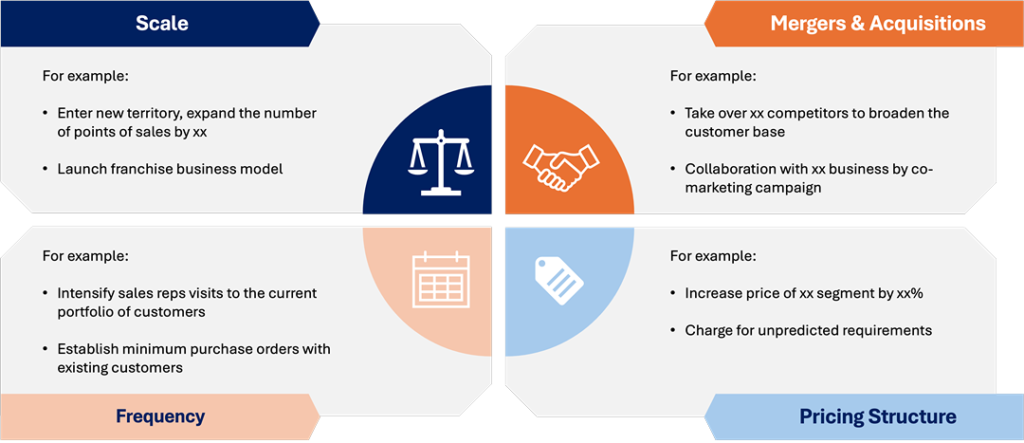
Figure 1 Example Market Penetration Strategies
2. Market Development
This strategy focuses on entering new markets with existing products or services. This could mean targeting a different geographical area or a new segment of customers. Key elements include:
- Geographical Expansion: Entering new regions or countries to access a broader customer base and tap into different market dynamics.
- Targeting New Customer Segments: Identifying and marketing to new demographics or user groups that have not previously been served by the company.
- Alternative Distribution Channels: Exploring new ways to distribute products, such as e-commerce platforms, partnerships with local retailers, or direct-to-consumer sales models.
- Adapting Marketing Strategies: Tailoring marketing and promotional efforts to fit the preferences and cultural nuances of the new market.
- Product Customisation: Modifying existing products to better suit the needs and preferences of the new market.
Market development can significantly drive business growth by opening up new revenue streams and diversifying the company’s market presence.
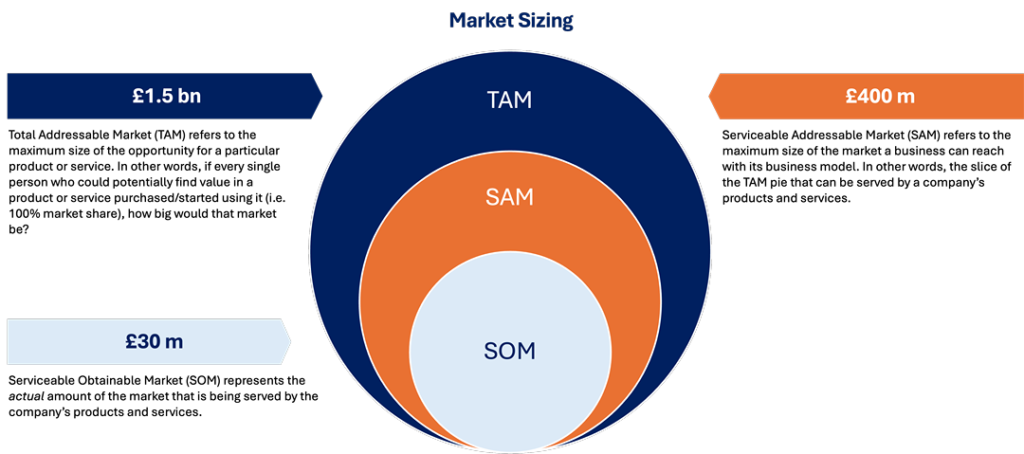
Figure 2 Market Sizing Diagram
3. Product Development
Developing new products and services or enhancing existing ones to meet customer needs can drive growth. This often involves innovation and staying ahead of industry trends. Key aspects include:
- Innovation: Introducing groundbreaking products or features that address unmet customer needs or create new demand.
- Enhancements and Upgrades: Improving existing products by adding new features, enhancing performance, or updating designs to increase their appeal.
- Research and Development (R&D): Investing in R&D to explore new technologies and materials that can result in superior product offerings.
- Customer Feedback: Using insights from customer feedback and market research to guide product development and ensure alignment with market needs.
- Prototyping and Testing: Developing prototypes and conducting rigorous testing to refine products before launch and ensure quality and performance.
Product development can drive business growth by expanding product lines, improving customer satisfaction, and increasing market share.
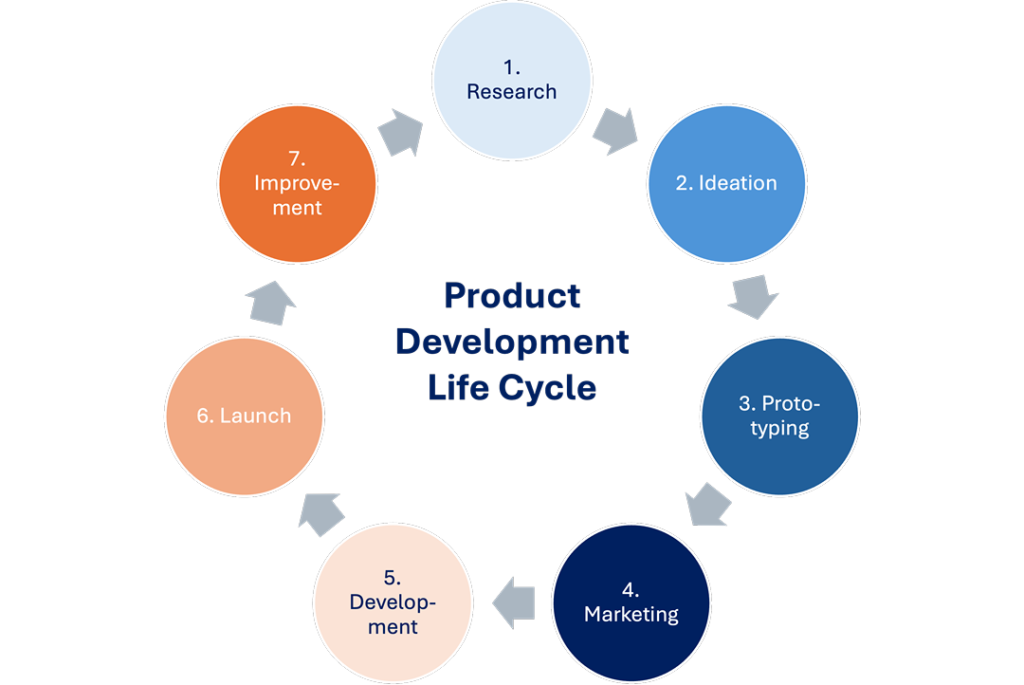
Figure 3 Product Development Lifecycle
4. Diversification
This is a growth strategy where a company expands its operations by adding new products, services, or markets that are distinct from its current offerings. This approach aims to reduce risk by minimising dependency on a single product or market and can lead to significant business growth. Key elements of diversification include:
- Related Diversification: Introducing new products or services that are related to the existing business, leveraging current expertise and resources.
- Unrelated Diversification: Venturing into completely different industries or markets, which can spread risk but also requires new competencies.
- Cross-industry Synergies: Leveraging synergies between different business units to create additional value, such as shared technology or marketing strategies.
- Market Research and Analysis: Conducting thorough market research to identify promising opportunities and assess potential risks.
- Strategic Partnerships and Acquisitions: Collaborating with or acquiring other companies to quickly gain a foothold in new markets or sectors.
Diversification can drive business growth by opening new revenue streams, enhancing competitiveness, and providing stability against market fluctuations.
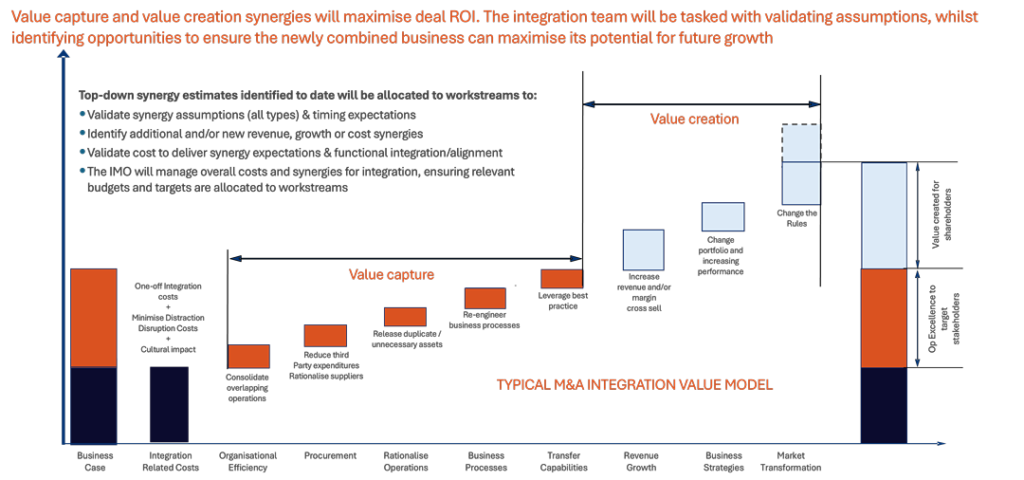
Figure 4 Identifying synergies from Acquisitions
5. Customer Retention and Loyalty
Building a loyal customer base can often be more cost-effective than acquiring new ones. Strategies here include excellent customer service, loyalty programs, and personalised marketing. Key components include:
- Personalised Customer Experience: Tailoring interactions and offerings to meet individual customer preferences and needs, enhancing their overall experience.
- Loyalty Programs: Implementing reward systems that incentivise repeat purchases and long-term commitment to the brand.
- Exceptional Customer Service: Providing responsive and helpful service that resolves issues quickly and leaves a positive impression.
- Regular Communication: Maintaining contact with customers through newsletters, updates, and personalised messages to keep the brand top-of-mind.
- Feedback and Improvement: Actively seeking customer feedback and using it to continuously improve products and services.
Customer retention and loyalty can significantly drive business growth by increasing customer lifetime value, reducing churn, and creating a strong community around the brand.
6. Strategic Partnerships and Alliances
Collaborating with other businesses can open up new opportunities for growth by leveraging each other’s strengths. This strategy enables companies to enter new markets, develop new products, and enhance competitive advantage more efficiently than going it alone. Key aspects include:
- Resource Sharing: Combining resources such as technology, expertise, and distribution networks to achieve mutual goals and expand capabilities.
- Market Access: Gaining entry into new markets or customer segments by partnering with companies that have established presence and knowledge.
- Risk Mitigation: Sharing risks associated with new ventures or projects, thus reducing the burden on a single entity.
- Innovation and Development: Collaborating on research and development to create innovative products or services and accelerate time-to-market.
- Cost Efficiency: Reducing costs through shared operations, marketing efforts, and economies of scale.
Strategic partnerships and alliances can drive business growth by expanding reach, enhancing product offerings, and improving overall efficiency.
7. Digital Transformation
This is a strategy that involves integrating digital technology into all areas of a business to improve operations, enhance customer experiences, and drive business growth. This approach can lead to increased efficiency, innovation, and competitive advantage. Key components include:
- Process Automation: Utilising technology to automate routine tasks, reducing errors, and freeing up resources for more strategic activities.
- Data Analytics: Leveraging big data and analytics to gain insights into customer behavior, market trends, and operational performance for informed decision-making.
- Enhanced Customer Experience: Using digital tools to provide personalised, seamless, and engaging customer interactions across various channels.
- Cloud Computing: Adopting cloud services for scalability, flexibility, and cost savings, enabling businesses to adapt quickly to market changes.
- Digital Culture: Fostering a culture that embraces digital innovation and encourages continuous learning and adaptation among employees.
Digital transformation can drive business growth by optimising processes, creating new business models, and improving customer satisfaction.

Figure 5 Key Components of Digital Transformation
8. Data-Driven Decision Making
Using data analytics to understand customer behaviour, market trends, and operational efficiency helps in making informed decisions that drive growth. By basing decisions on data insights, companies can improve accuracy, efficiency, and effectiveness in their operations. Key elements include:
- Data Collection: Gathering data from various sources such as customer interactions, market trends, and internal operations to build a comprehensive dataset.
- Data Analysis: Employing analytical tools and techniques to interpret data, identify patterns, and derive actionable insights.
- Performance Metrics: Establishing key performance indicators (KPIs) to measure success and track progress towards business goals.
- Predictive Analytics: Using historical data to forecast future trends and behaviors, enabling proactive strategy adjustments.
- Continuous Improvement: Leveraging data insights to refine processes, enhance products or services, and improve customer satisfaction.
Data-driven decision making can significantly drive business growth by optimising resource allocation, mitigating risks, and enhancing competitive advantage.