
Executive Summary
In an environment marked by persistent inflationary pressures, geopolitical disruptions, and rising ESG expectations, the supply chain has moved from being a cost centre to a primary lever of enterprise value creation. However, it is also an area that is often overlooked. Organisations that get it right see significant benefits in terms of Quality, Efficiency and Effectiveness and, most importantly, improvements to EBITDA and Cashflow, whilst those that don’t effectively leave money on the table.
There are two main areas to consider: Efficiency and Effectiveness. Leading organisations now recognise that optimising the end-to-end supply chain – including the Procure-to-Pay (P2P) process – not only unlocks efficiency but also drives resilience, innovation, and working capital performance. Effectiveness of the processes however also needs to be under the spotlight in terms of having the right environment, infrastructure, and people in order to maximise the benefits from the investment in procurement and supply.
For senior executives, achieving this optimisation requires a redefinition of both operational execution and strategic intent. The challenge is no longer just to “streamline purchasing” but to embed intelligence, transparency, and agility across the entire source-to-consume value flow.
Macro forces like global market instability, digital acceleration, sustainability mandates, and capital pressures compel executives to rethink operations. By optimizing P2P – from requisitioning to payment – companies address fragmentation, manual inefficiencies, and poor visibility, potentially boosting EBITDA by 6-10%, free cash flow by 10-15%, and slashing process costs by up to 50%. This is in addition to de-risking the supply chain.
Key strategies include standardizing workflows for scalability, enhancing data quality for proactive insights, embedding AI and automation to reduce errors and cycle times, integrating supplier collaboration platforms for innovation, and strengthening governance to mitigate risks.
Case studies illustrate impact: A global manufacturer cut purchase order cycles by 40% and freed €25M in working capital via unified systems and RPA. An automotive firm minimized inventory with Just-In-Time procurement, while a retailer improved availability through real-time data sharing.
Embedding ESG metrics further enhances brand trust and compliance. Executives must align CEO, CFO, and COO priorities: Treat P2P as a value chain, invest in data-driven tech, and build cross-functional capabilities. Holistic transformation delivers margin resilience, accelerated innovation, and sustainable growth – positioning high-performers for enduring success.
The Strategic Context: Why Supply Chain Optimisation Matters Now
Today’s supply chains span multiple tiers of suppliers, partners, and data flows. The pressure on executives is twofold: to deliver consistent cost efficiency while simultaneously enabling differentiation, risk reduction, and sustainability.
Several macro forces amplify this complexity:
- Volatile global markets: Ongoing geopolitical uncertainty and energy market shifts have exposed vulnerabilities in extended supply chains, demanding reconfiguration.
- Digital acceleration: AI-driven forecasting, predictive sourcing, and process automation create both opportunities and execution risks.
- Sustainability mandates: ESG compliance and carbon accounting are now integral to procurement decisions, not parallel workstreams.
- Capital discipline: Declining margins and higher interest rates have renewed emphasis on cash flow; inventory turns and working capital optimisation.
Executives seeking to generate enterprise value cannot treat supply chain transformation as an operational project, it is a strategic pillar.
“Procurement and Supply chain transformation is often seen as a poor relation by organisations undertaking wider improvement activity. This is a mistake as the benefits can be significant, and achieved very quickly” – Dr Paul Joesbury Global Procurement & Supply Chain Transformation Consultant | Former CPO
The Procurement Dichotomy
Organisations often pursue procurement and supply chain transformations with the primary goal of reducing costs. However, when the focus is placed solely on short-term tactical savings, performance inevitably declines over time. This creates a tension between immediate gains and long-term objectives: the transformation effort gradually loses effectiveness because it prioritises short-term wins at the expense of sustainable improvement. As a result, the programme risks being cancelled or significantly altered. There are a number of potential issues regarding this tactical savings-based approach including: –
- By focusing on cost reduction, decisions can be made that are short term to the business e.g., compromises to the choice of supplier, favouring those that are able to provide cost reductions rather than suppliers that are strategically right for the business.
- Compromises on quality and delivery performance aligned with increased minimum order quantities (MOQ’s) may be made.
- Without the attention to medium- and long-term opportunities, the procurement initiative may “run out of steam”, after 3 – 4 years, and may be one of the reasons that initiatives do not become a permanent fixture within the corporate structure.
- It is when things go wrong in the supply chain that this focus on cost reduction can be a significant risk to the organisation.
Therefore, in order to ensure the viability of the “new” procurement approach, the objective of supporting the business model with more than simply ticket price savings needs to be at the heart of the procurement initiative. Short-term tactical savings activity can be the “entry ticket” for the organisation to support the programme (providing a basis of trust and credibility), although this needs to quickly expand into other areas and rapidly establish the function as critical to the future success of the enterprise.
The analogy to Herzberg’s dual factor theory, has been made in relation to savings being a “motivator” and other factors such as quality and delivery performance, risk management etc., being equivalent to Herzberg’s “hygiene factors” and as such creating dis-satisfaction when absent. Without the necessary investment of time in the “hygiene factors”, the end result may be the cancelling or a significant change to the programme, as has been seen by organisations flip-flopping between centralised vs decentralised procurement. It may therefore be wise for a procurement transformation lead not to focus all of their time and effort on the short-term delivery of savings, but to have a more balanced approach to value enhancement in order to ensure the continued viability of the activity.
Factors to consider – there are many factors to consider when embarking on a procurement and supply chain transformation. Many consultancy companies focus on helping with the “mechanics” whilst missing the softer issues that are often “make or break” in any transformation.

Figure 1 Dimensions for Procurement and Supply Chain Effectiveness
The above can be summarised into 6 key areas of focus to achieve effective procurement and supply chain management namely: –
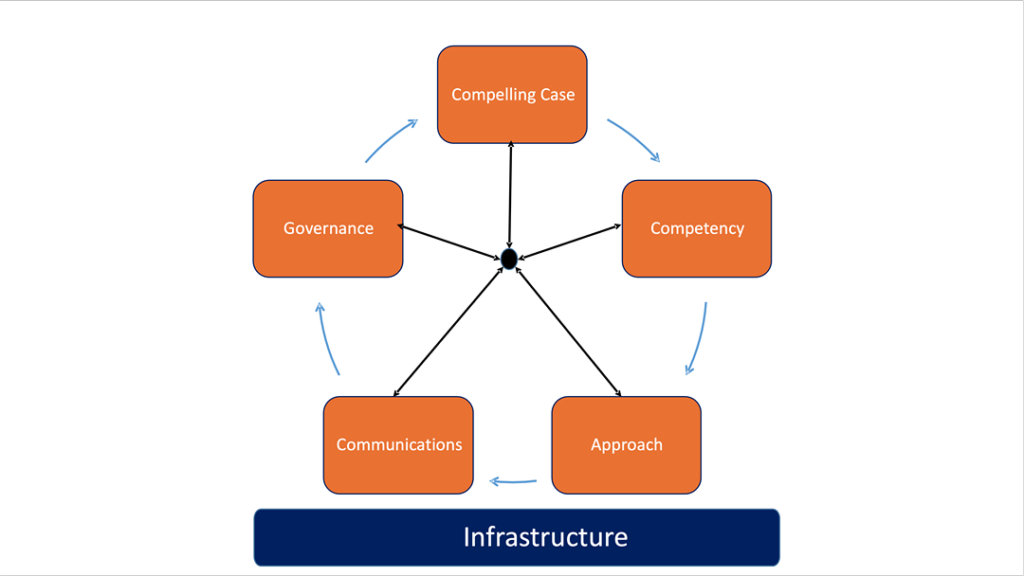
Figure 2 Procurement Effectiveness Model
The case for Procurement and Supply Chain Management
The Compelling Case – this element refers to the reasons behind a procurement and supply chain transformation and includes whether an organisation has a genuine need and a suitable business environment. If an organisation is heading towards Chapter 11, then there is a real and immediate reason to do something, and the compelling case is strong – for others often politics gets in the way and there can be a subtle undermining of the programme by senior executives who perceive any initiative as a potential loss of autonomy.
The CEO’s role in this is paramount, as is the positioning of procurement. Functions that report into Finance or Operations often lose their ability to take a balanced approach. A CPO reporting to the CEO is the most effective alignment to achieve a “Centre Led” approach – often referred to as a “CLAN” – i.e. a Centre Led Action Network where approaches are centralised whilst execution is managed locally. This matrix type approach helps to counter the constant flip-flopping of organisations going through the centralisation vs. decentralisation routine.
People – Skills, Knowledge and Competency
The Competency dimension focuses on the skills, knowledge and competency of procurement and supply practitioners. Often it is the softer elements linked to higher levels of emotional intelligence that are overlooked. Skills can be developed, knowledge can be imparted, however competencies in their wider form such as influence are often inherent within an individual and should therefore be front and centre to any recruitment activity. The more enlightened organisations focus on competencies of “drive and determination” (ie. the ability to get things done), “influence and communication”, and “concern for order and detail”, rather than the ability to transact within an MRP system or set up an e-Auction.
Optimisation is as much about organisational capability as it is about process and technology. Leading organisations move beyond siloed procurement and finance teams towards cross-functional operating models. These include:
- Centre led category management / procurement centres of excellence (CoEs): Driving category strategy and digital adoption with local application.
- Business-partnering roles: Embedding procurement experts within business units to align demand planning with operations.
- Finance-procurement integration councils: Joint decision-making on payment terms, supplier credit, and capital optimisation.
This structural alignment anchors P2P decisions within the wider enterprise value agenda.
Build Capability and Mindset – Transformation requires investment in talent as much as in systems. New competencies include:
- Data literacy and analytics capability.
- Vendor relationship management and negotiation at ecosystem level.
- Supply base disaster Recovery and Critical Incident management
- Sustainability and ESG sourcing expertise.
- Process design and continuous improvement skills.
Training, metrics and incentives must reinforce the shift from transactional execution to strategic enablement.
Case Insight: A major urban transport authority addressed workforce skills shortages by integrating strategic labour requirements into supplier contracts, creating thousands of apprenticeships and improving diversity while enhancing supply chain resilience.

Figure 3 Target Operating Model Components
Strategy and Approach – The Mechanics
The Approach – Boundary-Less Procurement is a term that opens the door to the procurement and supply function not being restricted by functional boundaries, allowing the scope to become “anywhere the business spends money”, aligned with anywhere an external supplier can be used to improve efficiency. i.e. An open scope to include all areas of external spend regardless of function etc. including end-to-end influence from Raw Materials through to End-Use customer.
Often organisations are inconsistent with their approach to supplier management. Language used can often diminish trust for example how many times have you heard the phrase “we want you to be our strategic partner”? whilst subsequently being invited to an e-auction where a tactical approach to ticket pricing is being taken! The best organisations have a clear customer and business orientation to the development of procurement strategies, avoiding competing objectives between departments. The classic one being the buyers being measured on cost savings (often leading them to buy in bigger batches) whilst the logistics function being measured on stock holding! – clearly leading to intra departmental conflict
The overall approach to supply chain optimisation has 3 main areas: Demand and Specification management, Supply Base Management, and The Cost of Doing Business – and is summarised in the figure below :-
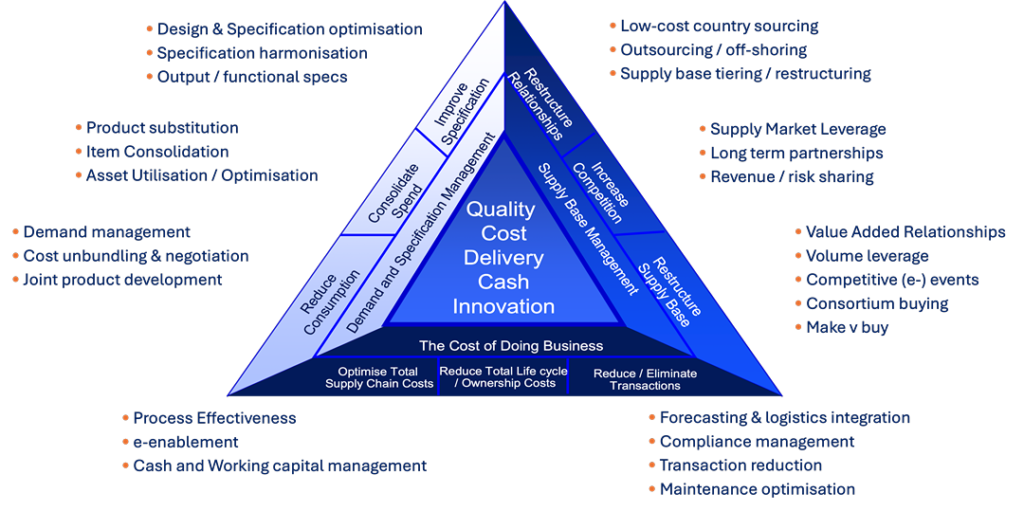
Figure 4 Supply Chain Levers
In essence, demand and specification management is about not over-specifying and only buying what you need. Design Optimisation and Waste Reduction is integral to this.
The right side of the Triangle is about having the right supply chain solution and commences with a Make vs Buy decision. The procurement function should be driving Make vs Buy decisions based on a detailed analysis of the current and potential supply base. Supplier relationship and portfolio management here is key and is the subject of much discussion, however many organisations simply do not understand the supply side dynamic sufficiently or revert to outdated thinking in terms of supplier relationship management.
Kraljic and Portfolio Management – One of the most recognised portfolio tools used within the purchasing profession is Peter Kraljic’s portfolio analysis from his seminal paper published within the Harvard Business Review in 1983 “Purchasing must become Supply Chain Management” – The Kraljic Matrix is at the heart of many procurement training programmes, however the matrix is often misunderstood and misinterpreted even by seasoned procurement professionals operating within global enterprises.
According to Kraljic a firm’s supply strategy depends on two factors: (1) profit impact and (2) supply risk. With the help of this matrix, professional purchasers can differentiate between the various supplier relationships and choose strategies that are appropriate for each category and thereby avoiding a “one size fits all” approach in order to effectively manage suppliers

Figure 5 Supplier Relationships Management – Portfolio Approach
The portfolio approach, based on Kraljic, is used to define a differentiated approach to supplier management based on the supply market that is prevalent. However, in the Kraljic model, it is only the view from the purchasing organisation (customer) that is considered and the opposing view from the perspective of the supplier regarding the customer organisation is largely ignored. Steele and Court (1996), introduce the supplier view of the customer into a comparable matrix assessment.
They suggest a relationship between account attractiveness and relative value of the business (as a proportion of the total book of business of the supplier) as key determinants of the strategy that the supplier will follow when dealing with the customer. (i.e., the other side of the equation when comparing to the Kraljic theory). The analysis suggests that there would be a different approach taken based on how they perceive the customer. They state that a supplier who would classify you (as a customer) as “Growth” or “Core” is more likely to react positively to an initiative, than suppliers who see the customer as a nuisance or exploitable.
By combining the two views (i.e. the customer view of supplier, and the supplier view of customer) the full picture can be ascertained and supply strategies optimised.
End to End Management within a Total Cost Framework – is an important factor in ensuring that the total supply chain remain agile and cost competitive in order to remain relevant.
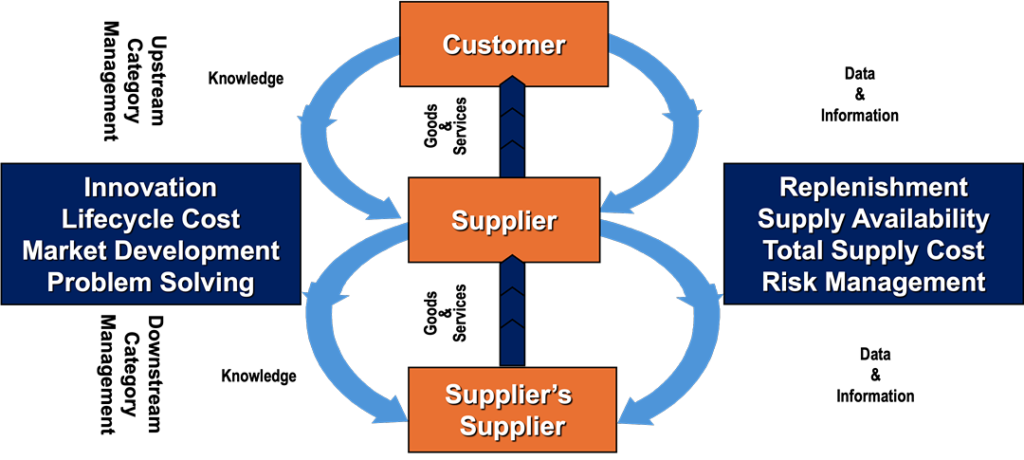
Figure 6 End to End Supplier Chain Management
The End-to-End Procure-to-Pay (P2P) Process: Foundation of a Value-Driven Supply Chain
Defining the P2P Journey – The P2P process encompasses every step from identifying a need for goods or services to final invoice settlement. Though configurations vary by organisation, it typically includes:
- Requisitioning: defining needs and capturing internal demand.
- Sourcing and supplier selection: identifying qualified suppliers and negotiating commercial terms.
- Purchase order management: creating, approving, and issuing purchase orders.
- Goods receipt and service confirmation: verifying delivery and performance.
- Invoice processing and three-way matching: validating invoice accuracy against purchase orders and receipts.
- Payment execution and reconciliation: processing payments, managing credit terms, and ensuring financial accuracy.
When executed well, this process ensures not only cost compliance but also fosters transparency, governance, and supplier collaboration.

Figure 7 Standard procure-to-pay process, from identifying needs to vendor payment.
The Traditional Challenge – Historically, many P2P processes are hampered by fragmentation and manual intervention. Pain points frequently include:
- Inconsistent data across procurement, finance, and operations.
- Manual approvals causing purchase delays.
- Poor visibility into spend, especially tail-end suppliers.
- Disconnected systems between ERP, procurement, and supplier portals.
- Long invoice processing times and missed payment discounts.
These inefficiencies erode both financial and operational value. For many corporates, the difference between best-in-class and lagging P2P performance can equal multiple percentage points of EBITDA.
Case Insight: A leading global oil and gas firm addressed data silos and outdated systems by implementing an Intelligent Category Management system, consolidating platforms and digitizing contracts. This resulted in a 20% increase in eSourcing usage and a 15% boost in procurement ROI.
From Transactional Efficiency to Strategic Enablement
An optimised P2P environment elevates the supply chain from cost management to value orchestration. To achieve this, leading organisations align processes, data, technology, and governance across the end-to-end value chain.
Standardise and Simplify the Process – Executives should prioritise the standardisation of workflows across business units and geographies. This ensures consistency, control, and scalability.
Key steps include:
- Harmonising requisition and purchase order templates.
- Implementing standard approval hierarchies tied to spend thresholds.
- Using a single catalogue platform for frequently purchased items.
- Defining global sourcing policies while allowing local flexibility where value appropriate.
Standardisation not only reduces errors but also enables automation and data-driven insights.
Communications, Data and Information Management
Comms and Data Management – often cited as important but also neglected in terms of action. The best organisations utilise a policy deployment type process to ensure alignment to business objectives and to root out misaligned activities. Policy Deployment Plus is a term that defines, objectives, processes to achieve and then ensuring that the people involved have the right levels of skills knowledge and competencies required in order to deliver. This also includes having the right “network” of people identified to overcome functional barriers and artificial hierarchies. Good External communication is important as effective procurement and supply chain management can be a real differentiator.
Integrate Supplier Collaboration Platforms – Collaboration sits at the core of modern supply chains. Digital supplier networks enhance transparency, trust, and innovation.
Key enablers include:
- Shared supplier portals for order status, invoice submission, and dispute management.
- Performance scorecards with real-time feedback loops.
- Joint forecasting and inventory visibility tools.
- Co-innovation initiatives for sustainability or product design improvements.
Executives who create a digitally integrated supplier ecosystem foster both operational stability and innovation capacity.
Drive Data Quality and Visibility – High-quality, integrated data underpins every element of P2P performance. Visibility into spend categories, supplier performance, and payment cycles enables proactive decision-making.
Executives should aim to:
- Establish a single source of truth across procurement, supply chain, and finance.
- Enforce supplier master data governance to reduce duplicates and errors.
- Use advanced analytics to identify maverick spend and supplier consolidation opportunities.
- Provide dashboards for real-time visibility into requisition cycle times, invoice backlog, and compliance rates.
Data transparency transforms control and trust across the enterprise.
Case Insight: A regional hospital in the healthcare sector overcame system failures and budget visibility issues by adopting a requisition solution integrated with ERP systems, leading to improved processing times, reduced errors, and enhanced team satisfaction.
Embed Automation and AI-Powered Intelligence – Digital transformation within P2P is rapidly evolving from robotic automation to cognitive intelligence. Leading organisations now deploy:
- Robotic Process Automation (RPA): For rule-based tasks such as invoice matching or data capture.
- AI-assisted sourcing tools: To predict optimal supplier selection based on cost, risk, and sustainability profiles.
- Natural language requisitioning: Allowing users to create purchase requests through conversational platforms.
- Smart invoice recognition: Using machine learning to extract and validate invoice data in real time.
This level of automation reduces throughput time and errors while freeing talent for strategic supplier management.
Case Insight: A large manufacturing company streamlined its fragmented P2P process with integrated software, achieving reduced processing times, higher accuracy, and better supplier relationships through timely payments.
Governance and Risk Management
Good Governance is essential for any organisation embarking on a procurement and supply chain transformation. Strong links to finance will support this helping to avoid the “window dressing” that sometimes manifests itself resulting from the procurement dichotomy mentioned earlier. Organisations need to have a degree of maturity within results discussions as often the procurement function declare savings that the CFO simply does not support – resulting in a loss of trust and an undermining of the programme
In addition, developing an atmosphere of continuous improvement and Lessons learned is important, avoiding the blame game so often seen within organisations.
Strengthen Governance and Risk Control – A refined governance model ensures compliance while enabling agility. It requires balancing control with speed.
Critical governance practices include:
- Automated policy enforcement within procurement platforms.
- Continuous audit trails embedded in transactional workflows.
- Segmented approval thresholds with exception-based oversight.
- Supplier risk scoring based on financial stability, geopolitical exposure, and ethical standards.
Good governance reduces leakage and protects the organisation’s reputation and capital base.
Infrastructure and Technology Enablement
Designing the core technology – is the multiplier that transforms an optimised process into sustainable enterprise value. Yet technology investments must align with strategic intent and operating model maturity.
Integrated Architecture – Executives should adopt a technology strategy that connects procurement, supply chain, and finance in a unified platform. Essential elements include:
- ERP Integration: Ensuring P2P data continuity across finance and materials management modules.
- Procurement Suites (e.g., SAP Ariba, Coupa, Jaggaer): Centre led / Hybrid sourcing structures, and supplier management.
- Supplier Collaboration Networks: Enabling visibility beyond direct suppliers to multiple tiers.
- Spend Analytics Platforms: Enriching decision-making through visualization and predictive modelling.
Interoperability is fundamental – the goal is not disparate tool adoption but an ecosystem that supports real-time insights and collaboration.
Cybersecurity and Data Protection – Digitalisation increases exposure. Supply chain data is highly sensitive — covering pricing, supplier IP, and financial terms. Investment in cybersecurity, identity management, and data encryption is now non-negotiable.
Executives should ensure third-party suppliers adhere to the same protection standards as internal systems. Trust and reliability are inseparable.
Embedding ESG and Sustainability Value – Sustainability optimisation within supply chains is now a core determinant of enterprise value. Regulators, investors, and consumers all expect traceable, ethical sourcing practices.
Case Insight: A global consumer goods company embraced a cloud-based procurement platform for real-time visibility and automation, resulting in reduced processing times and improved forecasting through data analytics.
Within the P2P framework, ESG integration can be achieved by:
- Including sustainability metrics in supplier scorecards.
- Automating carbon reporting from purchase data.
- Prioritising local and diverse suppliers through digital procurement categorisation.
- Linking supplier compliance to payment eligibility.
In leading practice examples, ESG-linked procurement can influence supplier innovation and enhance brand trust while potentially reducing long-term risk premiums.
Value Creation Opportunities Across the Supply Chain
Optimisation can drive measurable value across multiple levers of enterprise performance:
- Cost efficiency: Right-Sizing the supply base, consolidating spend, and improving negotiation leverage produce immediate cost-out benefits.
- Working capital improvement: Better inventory visibility reduces obsolescence and frees trapped capital. Additionally, only holding the right amount of both Raw Materials and Finished goods is essential, aligned with optimising payment with both suppliers and customers.
- Service performance and agility: Enhanced forecasting accuracy and responsive fulfilment elevate customer experience and retention.
- Innovation enablement: Closer supplier collaboration accelerates product development and time-to-market.
- ESG and reputational value: Traceable, compliant sourcing strengthens brand equity and investor confidence.
The most advanced organisations view these as interconnected outcomes of an integrated supply chain system, rather than siloed functions with discrete optimisation goals.
Case Insight: A healthcare provider enhanced compliance and cost control with centralized procurement software featuring built-in checks, leading to better budget management and substantial savings while aligning with regulatory ESG standards.
Case Insight: A global semiconductor manufacturer shifted to a make-to-order strategy and vendor-managed inventory, reducing supply chain costs by more than $4 per unit and shortening order cycles from nine to two weeks.
Financial Value Creation: Linking P2P to Enterprise Outcomes
Optimising P2P delivers clear, quantifiable financial outcomes. The primary value drivers include:
- Cost of goods sold (COGS) reduction: Through category-level consolidation, better negotiated terms, and reduced maverick spend.
- Working capital enhancement: Shorter purchase-to-payment cycles and improved payment term optimisation.
- Process efficiency and cost-to-serve reduction: Lower administrative costs per transaction.
- Increased discount capture: Through on-time or early payments enabled by automation.
- Improved compliance: Reduced risk of duplication, fraud, and supplier non-conformance.
At scale, these levers can collectively add 6-10% to EBITDA, improve free cash flow by 10-15%, and reduce process unit costs by up to 50%.
Case Insight: A major agricultural machinery manufacturer optimised its supply chain network by introducing intermediate merge centres and leveraging third-party logistics providers. This led to a $1 billion inventory reduction, 5% annual transportation cost savings, and halved customer delivery lead times from ten to five days or less.

Figure 8 Driving Value (Synergies) in Acquisition Integration Scenarios
Transformation Roadmap: Moving from Vision to Execution
Delivering a high-performing P2P transformation demands clear sequencing and stakeholder engagement. A structured roadmap often follows these phases:
- Diagnostic and value baseline: Assess maturity, process pain points, and potential value levers. Internal Perceptions, positioning within the organisation and levels of / Process for influence
- Blueprint and design: Define target operating model, governance, KPIs, and technology architecture.
- Pilot and iterate: Implement in priority categories or geographies to capture quick wins and validate assumptions.
- Scale and embed: Roll out standardised processes enterprise-wide, backed by change management, digital adoption, and clear ownership.
- Continuous optimisation: Establish performance dashboards and continuous improvement cycles to maintain relevance and competitiveness.
Transformation success depends on sustained executive sponsorship and measurable alignment to enterprise value outcomes.
Measuring Success: Core KPIs for Executives
Executives should track outcome-driven metrics that reflect the cross-functional value of supply chain optimisation.
Case Insight: A global industrial manufacturer operating across 40 countries identified inefficiencies in its fragmented P2P systems leading to 20-day invoice backlogs and inconsistent supplier compliance. By standardising workflows, adopting a unified procurement suite, and integrating RPA-driven invoice matching, the company achieved:
• 40% reduction in average purchase order cycle time.
• €25 million annual working capital improvement.
• 15% increased early payment discounts captured.
• Enhanced supplier satisfaction through transparent dispute resolution.
Crucially, the savings and improved reliability strengthened the organisation’s ability to reinvest in research and product innovation — a direct link between operational efficiency and strategic growth.
| Operational Performance: | Financial Impact: | Supplier and ESG Performance: |
|---|---|---|
| Supplier Quality (PPM) | Cost of Goods Sold (COGS) | Supplier on-time delivery rate (OTIF) |
| Requisition-to-order cycle time | Spend under management | Supplier – New Product Development |
| Purchase order accuracy rate | Working capital change (DPO/DIO/DIO) | Sustainability compliance percentage |
| Invoice processing cost per unit | Early payment discount capture rate | Supplier diversity ratio |
| On-time payment rate | Procurement ROI | CO₂ impact per spend category |
Continuous visibility against these KPIs enables course correction and value assurance.
The Executive Imperative: Positioning Supply Chain as a Value Creation Engine
The role of the supply chain has never been more strategic. As enterprises strive to balance cost efficiency, resilience, and innovation, supply chain leaders must structure operating models that create not just savings but differentiating advantage.
Delivering value through supply chain optimisation requires alignment between the CEO, CFO, and COO on key priorities:
- Treat the P2P process as a value chain, not a cost centre.
- Invest in data, automation, and supplier collaboration to enable end-to-end transparency.
- Embed ESG and resilience considerations into every sourcing decision.
- Build and sustain cross-functional capabilities that align procurement strategy with enterprise value objectives.
When executed holistically, supply chain and P2P optimisation become strategic enablers of margin resilience, innovation, and capital efficiency – ultimately delivering the enduring value creation that defines high-performing organisations.