
Introduction
Digital transformation has evolved from a buzzword into one of the most powerful strategic levers for enhancing EBITDA, expanding enterprise value, and accelerating sustainable growth. When executed as a coordinated program – rather than a collection of technology projects – it re-engineers both the cost base and the growth engine of the enterprise.
The link between digital transformation and financial performance is now empirically established. Research from consulting firms and private equity portfolio analyses consistently shows measurable uplifts in EBITDA, valuation multiples, and market capitalisation where AI, automation, data analytics, and platform models are integrated into core business workflows.
From Technology Spend to Enterprise Value
Historically, many boards treated digital transformation as an IT expenditure – focused on systems upgrades or cloud migration. Leading organisations are reframing it as an enterprise-wide restructuring of their operating models around digital capabilities.
Private equity investors increasingly regard digital maturity as a direct mechanism for value creation – on par with pricing strategy or working capital optimisation. Every pound saved or generated through digital efficiency flows directly into EBITDA, and when multiplied by higher valuation multiples, translates exponentially into enterprise value.
Executives are shifting their evaluation lens: success is no longer measured by implementation milestones, but by tangible movement in core value drivers: margin uplift, capital efficiency, revenue quality, and multiple expansion.
How Digital Transformation Expands EBITDA
EBITDA performance typically improves through three primary pathways:
- Cost reduction via automation
- Margin expansion through operational efficiency
- Revenue growth through digital channels
- Process Automation and Hyperautomation
AI-driven automation replaces repetitive tasks across finance, logistics, procurement, and customer service. Enterprises that automate over 50% of their workflows report substantial operating leverage, reduced SG&A ratios, and faster cash cycles – all directly accretive to EBITDA.
Case Study 1 – Financial Services Efficiency Lift:
A mid-market financial services provider automated 60% of its back-office functions using RPA and AI-driven document processing. Within 12 months, process cycle times fell by 45%, cost-to-income ratios improved by 8 points, and EBITDA margins rose from 22% to 28%.
2. Operating Efficiency Through Data and Cloud Integration
Cloud-native ecosystems and integrated data platforms eliminate silos, reduce IT overheads, and enable real-time decision-making. These capabilities streamline cost-to-revenue ratios and improve per-employee productivity.
Case Study 2 – Manufacturing Operational Uplift:
A European industrial manufacturer migrated its legacy ERP to a unified cloud data platform. Predictive maintenance and IoT integration reduced unplanned downtime by 30% and energy costs by 12%, translating into a £15 million annual EBITDA improvement.
3. Revenue Uplift Through Digital Channels
Digitally enabled revenue streams – e-commerce, digital marketplaces, and analytics-based personalisation – create scalable, higher-margin income. They also introduce predictability, which investors reward with higher multiples.
Case Study 3 – Retail Digital Channel Expansion:
A specialty retailer launched an AI-personalised e-commerce platform and subscription model for premium customers. Within 18 months, online revenues grew from 12% to 38% of total sales, with gross margin improvement of 6%. Valuation multiples rose 1.8x at the subsequent funding round.
Transforming Enterprise Value and Valuation Multiples
Digital maturity now commands a valuation premium across virtually every sector. Companies with advanced digital strategies – particularly those integrating AI, embedded analytics, and resilient cloud architecture – are valued as strategic platforms, not operational add-ons.
Such firms regularly achieve enterprise value multiples two to three times higher than their less digitally mature peers. This differential stems from a firm’s Digital Transformation Quotient (DTQ) – a composite measure of implementation depth and roadmap sophistication. High-DTQ firms signal scalability, resilience, and integration capacity – qualities that drive accretive M&A activity.
Case Study 4 – Private Equity Portfolio Acceleration:
A PE-owned logistics business implemented AI-driven route optimisation, dynamic pricing, and digital customer portals. Within 24 months, EBITDA increased by 32%, and the exit multiple expanded from 5.2x to 7.8x. The buyer cited “digital platform readiness” as the primary factor behind the valuation premium.
Driving Growth Trajectory Through Digital Transformation
While EBITDA gains are critical, the long-term strategic value of digital transformation lies in reshaping growth trajectory.
- Scalable Growth Models:
Digital platforms introduce network effects and variable cost structures that enable margin-accretive scalability.
- Innovation Velocity:
Generative AI and analytics shorten cycle times from insight to execution, powering faster product innovation and responsiveness.
- Recurring Revenue Creation:
Digital ecosystems naturally evolve toward subscription or platform-based models, producing predictable and defensible income streams.
Case Study 5 – B2B Platform Evolution:
A mid-size industrial supplier built an open digital ecosystem connecting customers, distributors, and service partners. Within two years, 40% of transactions shifted to the digital platform, average order size increased by 18%, and recurring revenue share doubled. This transition repositioned the company from a transactional supplier to a high-multiple digital platform business.
Core Transformation Initiatives that Drive Financial Outcomes
Holistic programs typically combine five interconnected domains that reinforce one another:
- AI and Advanced Analytics: Dynamic pricing, demand forecasting, and personalisation.
- Automation and Process Digitisation: RPA and workflow simplification to reduce SG&A.
- Cloud and Infrastructure Modernisation: Scalability and faster innovation cycles.
- Ecosystem and Platform Enablement: Network effects and partner collaboration.
- Customer and Employee Experience Transformation: Retention, engagement, and cultural agility.
Firms embedding these initiatives systemically—not as pilots—consistently outperform peers in EBITDA lift and valuation growth.
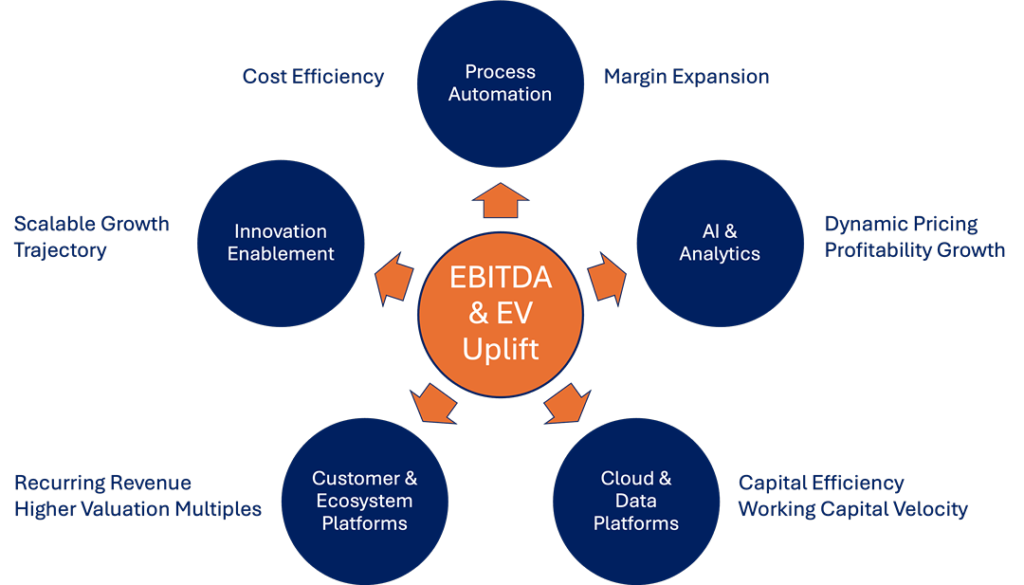
Figure 1 Digital Transformation Value Creation Model
Quantifying Digital ROI
Digital transformation must be governed like a capital investment, not an operating cost. Leading firms deploy multi-layered ROI frameworks covering:
- Financial Metrics: EBITDA margin, digital channel revenue, ROIC.
- Operational Metrics: Process time reduction, error minimization, asset utilisation.
- Customer Metrics: Retention, NPS, conversion rates.
Companies that align digital initiatives with value levers outperform peers in profitability and shareholder returns. A 2025 study found 95% of firms reporting digital-driven market cap growth, with AI-enabled organisations achieving a 3.2x greater ROE improvement.
Governance and Leadership Alignment
Transformation success requires close alignment between finance and technology. Partnerships between the CFO and Chief Transformation Officer ensure initiatives remain anchored in value levers – EBITDA growth, cash conversion, and multiple expansion.
Strong governance includes:
- Capital allocation models linked to financial KPIs.
- Benefit-tracking dashboards and stage-gate reviews.
- Clear accountability and scope management.
This converts digital transformation from IT execution into board-level value creation.
Overcoming Common Barriers
Despite the upside, many firms underperform due to:
- Unclear linkage between digital and financial outcomes.
- Lack of baseline performance metrics.
- Fragmented, siloed execution.
Winning organisations address these through:
- Strategic Clarity: Every digital initiative mapped to specific EBITDA or valuation drivers.
- Measurement Rigor: Transparent ROI tracking across all initiatives.
- Execution Governance: Cross-functional leadership to accelerate decisions.
The Strategic Imperative for Leaders
Digital transformation is no longer an optional modernisation exercise – it is a financial and strategic imperative. The organisations commanding valuation premiums are those that have digitised both their operations and growth engines.
When well executed, transformation can simultaneously:
- Lift EBITDA margins through automation and analytics.
- Expand enterprise value via higher multiples and recurring revenues.
- Accelerate growth through scalable, data-driven models.
By reframing digital transformation as a value creation engine, not a technology program, leaders can turn their organisations into compounding growth platforms – reshaping industry economics and building enduring enterprise value.