
Executive Summary
Private equity firms face a dynamic and challenging landscape defined by macroeconomic volatility, regulatory complexity, and evolving expectations from limited partners (LPs). To remain competitive, firms must adapt their strategies across investment, operations, and value creation. This article outlines seven core strategic challenges and the imperative to balance organic and inorganic growth in portfolio companies.
Key Takeaways:
- Strategic Resilience in a Volatile World
Interest rate shifts, geopolitical risks, and recession fears are complicating valuations and cross-border deals. Leading firms are embedding scenario planning and regional diversification into investment decisions.
- Capital Dynamics and Fund Structure Evolution
Fundraising is polarised – favouring mega-funds while emerging managers struggle. Flexible structures like continuation funds and co-investment platforms are becoming critical to unlock LP capital and accelerate deployment.
- Operational Value Creation Over Financial Engineering
With traditional leverage strategies under pressure, firms are focusing on topline growth, digital transformation, and efficiency to generate “operational alpha” and sustain returns.
- M&A and Exit Strategies Require Flexibility and Patience
With longer hold periods and fewer IPOs, exits now rely on building resilient, scalable businesses and identifying multiple liquidity paths, including trade sales and strategic partnerships.
- AI, ESG, and Sector Specialisation as Strategic Enablers
AI is transforming deal sourcing and portfolio management, ESG has moved from compliance to competitive edge, and capital is shifting toward high-growth, mission-critical sectors like healthcare, energy, and tech.
The private equity firms that succeed over the next decade won’t be the ones that simply ride out the storm. They’ll be the ones that build sturdier ships – architecting integrated value creation models, fostering operational depth, and unlocking value in complexity.
In a world where volatility is structural – not cyclical – agility, discipline, and innovation will define the winners.
As the industry pivots from extraction to creation, the question is no longer “Can you find value?” but “Can you build it – and scale it – better than anyone else?”
Strategic Challenges In The Private Equity Industry
Navigating Strategic Complexity in a Reshaped Landscape
The private equity (PE) industry operates in an environment defined by volatility, regulation, and a shift in value creation strategies. Amid geopolitical tensions, macroeconomic uncertainty, and intensifying competition, firms must balance agility with discipline. This article explores the main strategic challenges facing the PE sector – and how firms can adapt to thrive in this evolving context – before outlining the critical levers of both organic and inorganic growth models, key to the execution of value creation.
1. Macroeconomic & Geopolitical Volatility: A Constant Headwind
Interest Rate Uncertainty
Volatile interest rates continue to disrupt deal financing and valuation models. Although some central banks have indicated a stabilisation trajectory, divergence between jurisdictions creates planning complexity.
Geopolitical Risk
Tensions in Eastern Europe, Middle East instability, and US-China trade friction are reshaping global supply chains and investment viability – particularly for cross-border buyouts.
Recession and Inflation Duality
While inflation is easing in some markets, recession fears remain elevated. These crosscurrents complicate due diligence, scenario planning, and sector allocation strategies.
Strategic Response:
PE firms mandate the embedding of macro scenario modelling into investment committees, diversify geographic exposure, and build resilience in portfolio operations.
2. Fundraising & Capital Deployment: A Tale of Two Tiers
Concentration of Capital
Institutional investors (LPs) are gravitating toward large, proven funds, creating a “barbell effect” where emerging managers can struggle to raise capital even with compelling strategies.
Evolution in Fund Structures
Evergreen funds, continuation vehicles, and semi-liquid structures are gaining traction – providing LPs with more flexibility while unlocking longer investment horizons for GPs.
Deployment Dilemma
Despite an estimated $2.5 trillion in dry powder globally, deployment remains sluggish. Valuation mismatches and economic uncertainty are delaying deals and heightening pressure on IRR targets.
Co-Investment and Direct Lending
LPs are increasing demand for co-investment rights, and many PE firms are expanding into private credit and infrastructure to diversify return streams.
Strategic Response:
Firms tailor fund structures to LP preferences, enhance origination capabilities, and consider co-investment platforms to accelerate deployment.
3. Deal-Making and Exit Environment: From Timing Risk to Tactical Patience
Inconsistent M&A Activity
Deal volume remains below pre-pandemic levels, especially in leveraged buyouts. Valuation gaps between buyers and sellers persist in many sectors.
Prolonged Hold Periods
The average hold time for portfolio companies has extended from ~4.5 years to 6+ years, delaying liquidity events and increasing pressure for value creation.
Shift in Exit Strategies
Trade sales to corporates are rebounding, while sponsor-to-sponsor deals have declined. IPOs remain limited outside niche sectors like renewable energy and AI.
Strategic Response:
PE firms should focus on building resilient, exit-ready companies earlier in the hold period – incorporating flexibility in timing and multiple potential exit pathways.
4. Talent, Technology & Operational Transformation
Skills Shortages and Wage Inflation
Hiring remains difficult in specialised roles – especially in value creation, digital transformation, and ESG – amid a competitive labour market and rising compensation expectations.
Tech as a Value Lever
AI and machine learning are increasingly embedded into portfolio diagnostics, due diligence, and operational improvement – moving beyond back-office automation. See later for more on AI implications for the industry.
Shift from Financial to Operational Alpha
With leverage-driven returns under pressure, firms are prioritising topline growth, margin enhancement, and digital transformation within portfolio companies.
Strategic Response:
Firms must professionalise value creation teams, adopt generative AI for operational insights, and build digital playbooks for portfolio-wide efficiency.
5. Sector & Strategy Recalibration

Figure 1 PE Portfolio Company Sectors – Analysis of 150 Selected PEs
Sectoral Tilt
Capital is flowing into technology, healthcare, energy transition, and mission-critical B2B services, while capital-intensive or cyclical sectors face divestment pressure.
Operational Capability
Alongside investment teams, sector-focused operating teams are leveraging in-house and external industry and business functional expertise to drive value creation.
Strategic Response:
Firms must adapt investment theses to macro sector dynamics, maintain valuation discipline, and proactively offer co-investments to enhance LP alignment.
6. Regulatory, Tax & Compliance Complexity
Stricter Oversight
The US SEC and EU regulators have introduced new rules around fee transparency, ESG disclosures, and fund governance. Non-compliance risks reputational and financial penalties.
Global Tax Shifts
The OECD’s global minimum tax framework and shifting national tax codes are challenging traditional fund domiciling and structuring practices. In the UK, carried interest will be treated as trading profits, subject to income tax and NICs from April 2026.
Heightened ESG Standards
ESG is now a regulatory as well as an investment imperative, with new EU Corporate Sustainability Reporting Directive (CSRD) rules coming into effect.
Strategic Response:
Firms must enhance in-house legal, tax, and ESG capabilities – or partner with specialised advisors – to navigate the regulatory maze efficiently and credibly.
7. ESG and Sustainability: From Nice-to-Have to Non-Negotiable
Institutional Pressure
LPs now expect ESG integration at every level – from screening to stewardship to reporting. ESG is increasingly tied to capital allocation decisions.
Regulatory Imperatives
Jurisdictions such as the EU and UK are tightening sustainability disclosure mandates, pushing firms to develop full ESG data infrastructure.
Impact Opportunity
Climate tech, circular economy, and sustainable infrastructure are not only ESG-aligned – they’re also attractive, high-growth investment themes.
Strategic Response:
Build ESG frameworks that go beyond compliance – embed them into value creation, exit narratives, and LP reporting to unlock premium valuations and competitive advantage.
Strategic Summary Table
| Challenge | Description |
| Macroeconomic/Geopolitical | Interest rate volatility, inflation risks, geopolitical uncertainty |
| Fundraising & Deployment | LP concentration, dry powder pressures, evolution of fund structures |
| M&A & Exit Conditions | Sluggish deal flow, longer hold periods, fewer sponsor-to-sponsor exits |
| Talent & Technology | Skills shortages, AI-driven value creation, operational alpha over leverage |
| Sectoral Repositioning | Focus on healthcare, tech, energy; greater use of co-investments and direct lending |
| Regulation & Tax | Fee transparency, ESG disclosures, tax rule changes |
| ESG & Sustainability | LP pressure, regulatory mandates, climate-oriented investment opportunities |
Private Equity’s New Strategic Imperative
The private equity industry in 2025 stands at a pivotal moment. Traditional drivers of value – cheap debt, high growth multiples, and financial engineering – are giving way to a more complex model grounded in operational excellence, regulatory resilience, and sustainable value creation.
To succeed, firms must:
- Embed agility and foresight in their investment and operating models.
- Strengthen relationships with LPs through transparency, co-investment opportunities, and sector specialisation.
- Invest in digital transformation – both internally and within portfolio companies.
- Invest in in-house and external operational and sector capabilities to deliver value
- Treat ESG not just as compliance, but as a catalyst for differentiation.
In an era where uncertainty is the norm, firms that embrace complexity and turn disruption into competitive advantage will define the next decade of private equity leadership.
“In today’s private equity landscape, competitive advantage isn’t just built in the boardroom — it’s engineered in the operating model. The firms that marry AI-driven insights with disciplined execution will define the next generation of value creation.”, Dr. Trevor Scott, Chief Transformation Officer
Driving Growth in Private Equity Portfolio Companies: Balancing Organic & Inorganic Strategies
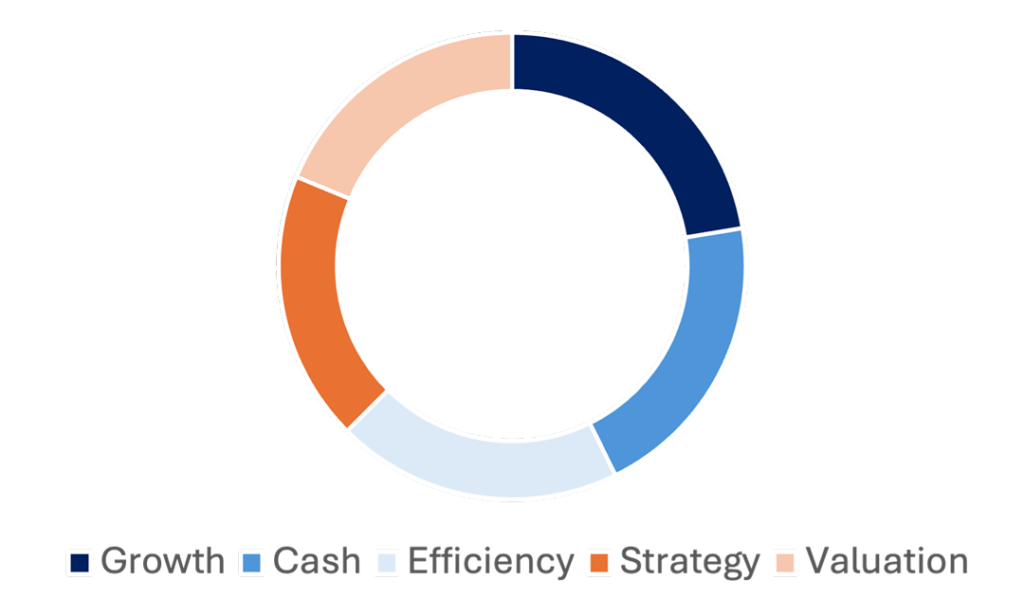
Figure 3 Relative importance of Value Creation Drivers – Growth Leads
In today’s PE environment – marked by macroeconomic uncertainty, rising interest rates, and intensifying competition – delivering consistent, above-market returns has become increasingly complex. PE firms must deploy a holistic value creation strategy that combines organic growth with inorganic acceleration to drive performance within their portfolio companies.
Organic Growth: Building Sustainable Value from Within
Organic growth focuses on expanding a company’s capabilities, customer base, and revenues through internal initiatives. While it often takes longer to yield results, it builds enduring value and operational resilience – especially important when external deal activity slows.
Key Levers of Organic Growth
A. Product and Service Innovation
- Develop differentiated offerings that address evolving customer demands, such as digital integration or ESG-aligned products.
- Invest in R&D to build competitive moats and support pricing power.
- Leverage data and customer insights to inform product development.
Example: A PE-backed food company may develop a plant-based product line to capture shifting consumer preferences while optimising its existing brand portfolio.
B. Geographic and Market Expansion
- Enter new regions or verticals by tailoring go-to-market strategies.
- Leverage local partnerships, digital channels, and influencer ecosystems to accelerate brand penetration.
- Localise offerings to align with regional tastes, culture, or regulatory nuances.
Example: A mid-sized clothing brand expands into Southeast Asia using a digital-first approach and region-specific merchandising.
C. Operational Excellence
- Implement lean management principles to reduce costs and improve agility.
- Automate key workflows and enhance supply chain visibility.
- Use predictive analytics for demand forecasting and inventory optimisation.
Example: A manufacturing business reduces costs by 15% through lean Six Sigma implementation and a shift to just-in-time inventory models.
D. Talent and Culture Transformation
- Professionalise leadership and align incentives to long-term goals.
- Build a performance-driven culture through training, succession planning, and strategic hiring.
- Embed digital and data capabilities across teams.
E. Rapid EBITDA Improvement (“Quick Wins”)
- Identify immediate high-impact initiatives (e.g., renegotiating supplier contracts or optimising pricing).
- Use these quick wins to fund longer-term investments and build internal momentum.
Inorganic Growth: Accelerating Scale Through M&A
Inorganic growth – via acquisitions, roll-ups, or joint ventures – can rapidly transform a portfolio company’s scale, capabilities, and competitive position. However, its success depends on strategic fit, rigorous diligence, and disciplined integration.
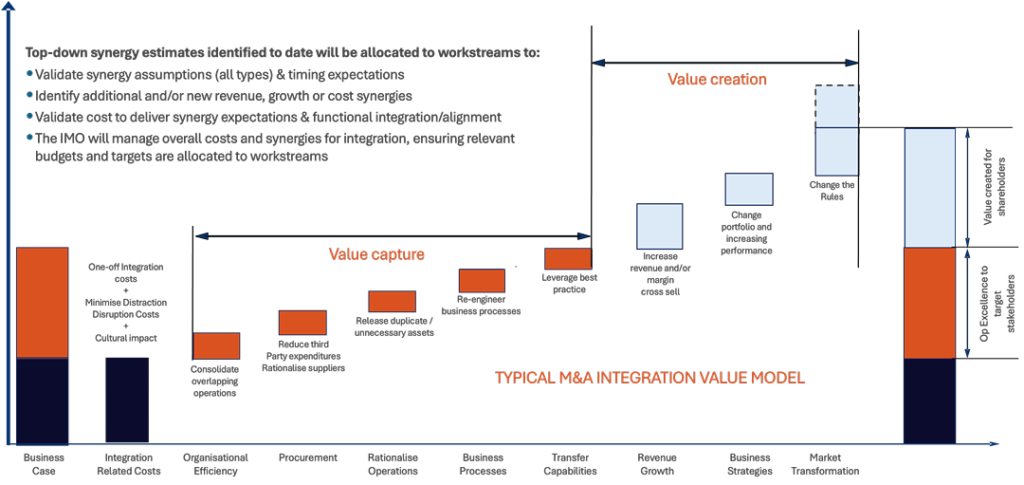
Figure 4 Identifying Value Capture & Value Creation Synergies to Maximise Deal ROI
Key Levers of Inorganic Growth
A. Buy-and-Build Strategy
- Acquire smaller, adjacent businesses to consolidate fragmented markets or expand product breadth.
- Leverage the platform company’s infrastructure to achieve economies of scale.
- Create synergy by integrating shared services (e.g., finance, HR, tech).
Example: A PE firm builds a regional healthcare provider by acquiring and integrating local clinics with common systems and branding.
B. Strategic Acquisitions
- Target firms with unique technology, customer access, or capabilities that unlock new markets or revenue streams.
- Pursue cross-border M&A for geographic diversification or regulatory arbitrage.
- Hire specialists to provide effective due diligence insight and capabilities
Example: A portfolio company in industrial automation acquires an IoT software provider to strengthen its digital offering.
C. Integration Excellence
- Establish a robust integration playbook – starting in pre-deal due diligence.
- Prioritise cultural compatibility and talent retention to minimise disruption.
- Align technology systems and reporting early to ensure visibility and accountability.
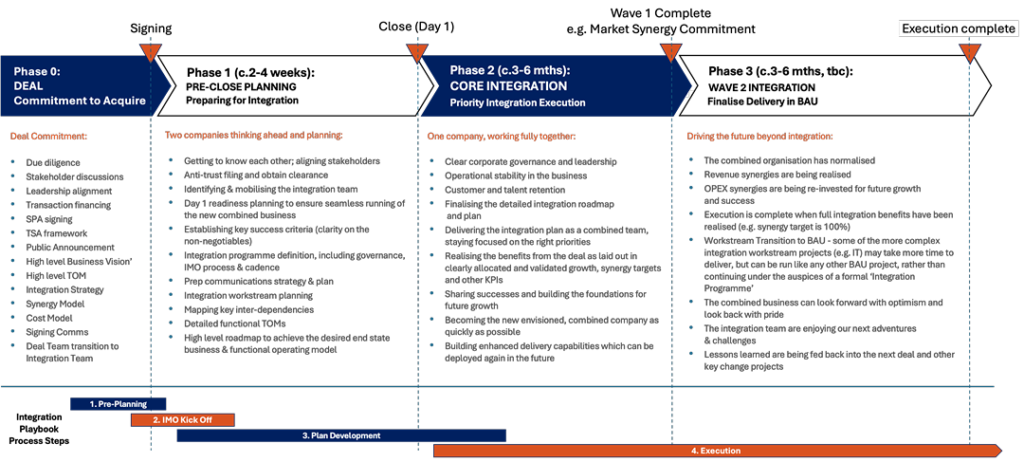
Figure 5 Comprehensive M&A Integration Planning from Due Diligence to Execution
D. Risk and Synergy Management
- Conduct granular synergy mapping with clearly defined value drivers and timelines.
- Set up post-merger integration (PMI) teams with executive sponsorship.
- Track post-deal KPIs and conduct integration audits and diagnostics.
Strategic Balancing: Integrating Organic and Inorganic Levers
The most successful PE firms adopt a blended strategy, using both organic and inorganic growth to maximise value creation over the lifecycle of ownership.
Best Practices for Balancing Growth Approaches
A. Portfolio Optimisation
- Regularly assess business units for strategic fit and growth potential.
- Divest underperforming or non-core assets to reallocate capital toward scalable, high-margin opportunities.
Example: A PE firm divests a commoditised manufacturing line and reinvests proceeds in digital services expansion.
B. Operational Transformation as a Growth Engine
- Embed operational value creation as a foundational capability across the portfolio.
- Use advanced analytics, automation, and digitisation to boost productivity, margin, and scalability.
C. Customised Value Creation Playbooks
- Design a tailored playbook for each portfolio company – defining value drivers, growth priorities, and execution timelines.
- Ensure rigorous KPI tracking, regular governance reviews, and dynamic adjustment of plans.
D. Execution Discipline
- Avoid over-reliance on M&A to “buy growth.” Ensure every acquisition complements the organic strategy.
- Similarly, ensure organic investments are guided by clear return thresholds and scalability assessments.
A Dual-Growth Playbook for Competitive Advantage
In today’s private equity landscape, growth is no longer binary. Organic and inorganic strategies are not competing options – they are complementary tools in a unified value creation arsenal.
To succeed, PE firms must:
- Embed innovation, market responsiveness, and operational excellence across portfolio companies to drive sustainable, organic growth.
- Pursue high-conviction, synergistic acquisitions that enhance capabilities, accelerate scale, or reshape market positioning.
- Balance short-term EBITDA improvements with long-term strategic investments, guided by a disciplined, data-driven approach.
By mastering this dual-growth playbook, private equity firms can outperform in both bullish and bearish markets – creating resilient, scalable businesses that deliver outsized returns. Namaste Management Playbooks are available to those that need them.

Figure 6 Typical PE Deal Lifecycle
The Implications of AI in Private Equity
AI is transforming the private equity (PE) industry by improving deal sourcing, due diligence, portfolio management, and risk assessment. Further, AI can become an ‘operating model enhancer and a growth enabler. Here’s a breakdown of its key impacts:
1. Faster and Smarter Deal Sourcing
AI helps PE firms identify investment opportunities faster by:
- Scanning public and private data – AI scrapes financial reports, news articles, and social media to spot potential targets.
- Predictive analytics – AI models analyse market trends to identify high-growth companies before they become widely known.
- Enhanced screening – AI filters deals based on predefined criteria, reducing manual effort.
Example: Firms like Blackstone and KKR use AI to scan thousands of companies for potential acquisitions.
2. Enhanced Due Diligence & Risk Assessment
AI streamlines the traditionally slow due diligence process by:
- Automating financial analysis – AI detects inconsistencies in financial statements and identifies red flags.
- Natural Language Processing (NLP) – AI reviews contracts, regulatory filings, and compliance documents efficiently.
- Risk prediction models – AI predicts company failures, fraud risks, and macroeconomic risks.
Example: AI-driven platforms like Kensho and Palantir help PE firms analyse vast amounts of unstructured data to make better investment decisions.

3. Portfolio Management & Value Creation
AI optimises portfolio performance through:
- Real-time performance tracking – AI continuously monitors financial metrics, industry trends, and operational efficiency.
- Operational improvements – AI suggests cost-cutting measures, pricing strategies, and customer behaviour insights.
- AI-driven hiring strategies – AI predicts leadership success, helping PE firms hire top executives for portfolio companies.
Example: PE firms use AI to optimise supply chains, enhance digital marketing, and automate back-office functions in portfolio companies.
4. Exit Strategy Optimisation
AI helps PE firms maximise returns by:
- Predicting market timing – AI analyses economic trends to identify the best time for exits.
- Finding strategic buyers – AI recommends potential buyers based on acquisition patterns.
- Optimising IPO decisions – AI models assess valuation trends for public offerings.
Example: AI tools help PE firms decide whether to exit via IPO, strategic sale, or secondary buyout.
5. Automation of Back-Office Operations
AI reduces costs and inefficiencies in administrative tasks:
- Automated reporting – AI generates financial and investor reports with minimal human input.
- Smart contract analysis – AI reviews and manages legal agreements efficiently.
- Enhanced investor relations – AI chatbots handle investor queries and generate performance insights.
Example: AI-powered tools like Symphony and Eigen automate contract analysis and compliance reporting.
Challenges of AI in Private Equity
Despite its benefits, AI adoption in PE faces challenges:
- Data quality issues – AI models require high-quality, structured data, which is often lacking in private markets.
- Regulatory concerns – AI-driven investment decisions may face scrutiny from regulators.
- Human judgment is still key – AI can’t replace the intuition and experience of PE professionals.
AI is reshaping private equity by making deal sourcing, due diligence, and portfolio management more efficient. While AI can’t replace human expertise, it’s becoming an essential tool for PE firms looking to stay competitive.
Conclusion: Competing in Complexity – The New Private Equity Mandate
Private equity is undergoing a profound evolution. The old formula – rely on leverage, financial engineering, and rapid exits – is no longer sufficient in a landscape defined by macroeconomic turbulence, regulatory scrutiny, and rising stakeholder expectations. In its place emerges a more demanding but ultimately more rewarding model – one rooted in operational excellence, sector specialisation, sustainability, and technology-enabled agility.
To thrive, PE firms must become multi-dimensional in their thinking and execution. This means:
- Embedding strategic foresight into every stage of the investment lifecycle – from due diligence to exit strategy.
- Strengthening LP relationships through transparency, co-investment alignment, and adaptive fund structures.
- Deploying value creation levers in tandem – combining the deep resilience of organic growth with the step-change acceleration of inorganic M&A.
- Investing in human capital and AI equally, recognising that the future of alpha lies in combining data-driven insight with expert judgment.
- Turning ESG from a compliance box-tick into a competitive differentiator, integral to both performance and reputation.
The private equity firms that succeed over the next decade won’t be the ones that simply ride out the storm. They’ll be the ones that build sturdier ships – architecting integrated value creation models, fostering operational depth, and unlocking value in complexity.
In a world where volatility is structural – not cyclical – agility, discipline, and innovation will define the winners.
As the industry continues to pivot from extraction to creation, the question is no longer “Can you find value?” but “Can you build it – and scale it – better than anyone else?”