
Introduction
As a specialist in mergers and acquisitions (M&A) and change delivery, we frequently encounter one of the most persistent and value-destructive challenges: staff retention. The stakes are high – retaining key talent directly impacts the realisation of deal value, business continuity, and long-term success of the combined entity. Yet, M&A activity can often be an inherently disruptive process, fraught with uncertainty, cultural misalignment, and fears over job security – all of which contribute to heightened employee attrition.

Figure 1 Benefits of Staff Retention
Understanding the Retention Challenge
M&A transactions are notorious for triggering employee anxiety. Studies indicate that up to 40% of critical talent leaves within 18-24 months post-close, with attrition rates for acquired employees averaging 34% in the first year – far outpacing normal turnover rates. The reasons are multifaceted:
- Uncertainty and Anxiety: Employees face uncertainty about their roles, future organisational direction, and job security. This is compounded by a perceived loss of organisational culture and confusion due to inadequate communication.
- Cultural Misalignment: Differences in values, working styles, and leadership approaches between merging organisations can create friction and reduce employee engagement.
- Competitive Poaching: Competitors often view M&A transitions as opportunities to lure away top performers, especially those with critical skills or deep institutional knowledge.
- Lack of Career Clarity: Employees need to see a clear path for growth and development within the new organisation. Without this, even those not actively job searching may begin to look elsewhere.
Overcoming the challenge of staff retention in M&A requires a comprehensive, people-centric approach. By identifying critical talent, designing targeted retention programs, fostering open communication, involving employees in the transition, clarifying career paths, addressing cultural integration, and continuously monitoring progress, organisations can turn the inherent disruption of M&A into an opportunity for growth and value creation. As a consultant, we emphasise that the most successful M&A outcomes are those where employees feel valued, informed, and empowered – ultimately ensuring that the combined organisation thrives in the long term.
“To ensure successful integration, it is essential to identify and address cultural and geographical differences during the earliest stages of planning. Overlooking these factors can result in the alienation of entire regions, undermining employee engagement and posing a significant risk to the long-term success of the transaction.” Craig Richards, HR & Finance Consulting Director
Key Strategies for Overcoming Retention Challenges
To mitigate these risks and retain the talent essential for M&A success, organisations must adopt a proactive, holistic approach. Experience and industry best practices point to several critical strategies.
1. Identify and Prioritise Critical Talent
Not all employees are equally essential to the success of the combined entity. Retention efforts should focus on those with specialised skills, deep customer relationships, or unique institutional knowledge. Research highlights that less than 2% of staff typically receive retention packages, but these individuals are often pivotal for integration and future growth. Swift identification – using both top-down leadership input and data-driven talent assessments – is crucial to avoid costly over- or under-investment in retention.

Figure 2 Staff Retention Metrics
2. Design Targeted Retention Programs
Retention bonuses and incentives are effective tools, particularly for key employees who might otherwise be tempted to leave. Nearly 60% of organisations now use retention bonuses, typically reserved for roles where sudden departures would disrupt integration plans, driving future growth and business success. However, financial incentives alone are rarely sufficient. Retention agreements should be tailored to the deal value drivers and integration strategy, as well as an individual’s role, market value, and risk of departure.
“Serial acquirers of founder-led businesses often take a standardized approach to earnout agreements, focusing on key elements such as agreement structure, performance targets (typically based on 1–3 years of adjusted EBITDA), payment timing, and form. Beyond bridging valuation gaps, earnouts also serve as tools for executive retention and risk mitigation on both sides of the transaction.
These agreements tend to be most effective when the acquired business operates with a degree of independence, allowing for cleaner performance attribution. However, as integration progresses, tracking performance and maintaining accountability becomes more complex – highlighting the need for thoughtful earnout design and proactive oversight.” – Rehena Harilall, Change & HR Consulting Leader
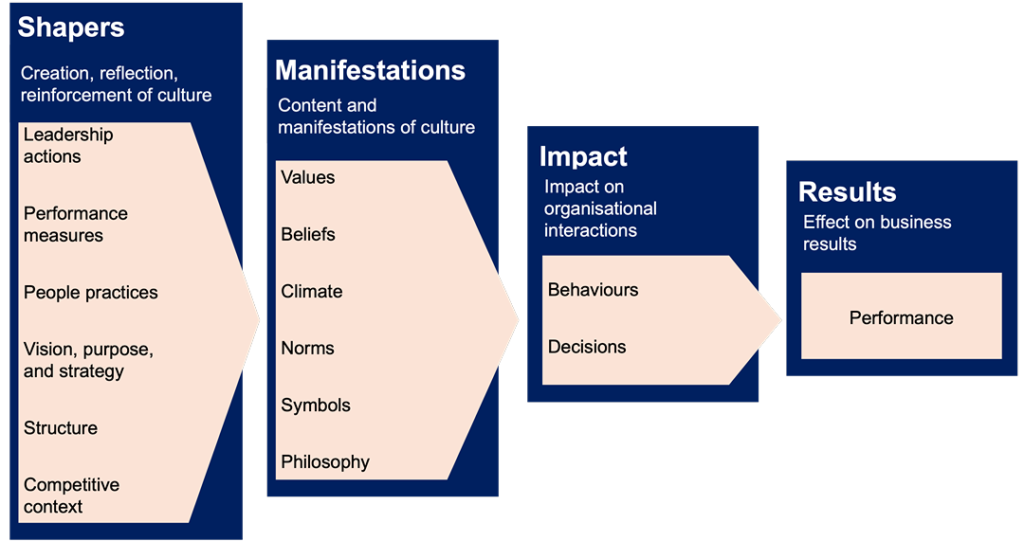
Figure 3 Culture & its impact on Performance
3. Address Cultural Integration
Cultural misalignment is a leading cause of post-M&A attrition. Leaders must actively work to bridge cultural divides, foster inclusive environments, and model the desired behaviours. This may involve joint team-building activities, cross-functional projects, and leadership alignment sessions. When employees feel connected to the new culture, they are more likely to remain engaged and committed.
Culture can be the biggest risk for earnouts and founders who may not be suited to corporate life will likely leave post earnout. If all senior leaders are on earnouts with similar time frames can potentially lead to a mass exodus if the acquiring company hasn’t planned effectively in the meantime, which can be a significant risk at the end of earnout period. We have also seen situations where founders are protective over staff whilst still in position so therefore make it harder to plan for any restructuring and/or replacements. However, earnouts can be a very successful retention tool, with very few leaders leaving prior to the end of an earnout, which provides key leadership stability during the initial transition period post-acquisition, ensuring a smooth handover.
4. Foster Open and Transparent Communication
Clear, consistent communication is the bedrock of trust during M&A. Employees need regular updates about the integration process, their roles, and the future direction of the company. Proactive communication helps dispel rumours, reduce anxiety, and demonstrate leadership’s commitment to employee well-being. Organisations that excel in this area often use FAQs, welcome packs, manager coaching and one-to-one check-ins to ensure employees feel supported from day one.
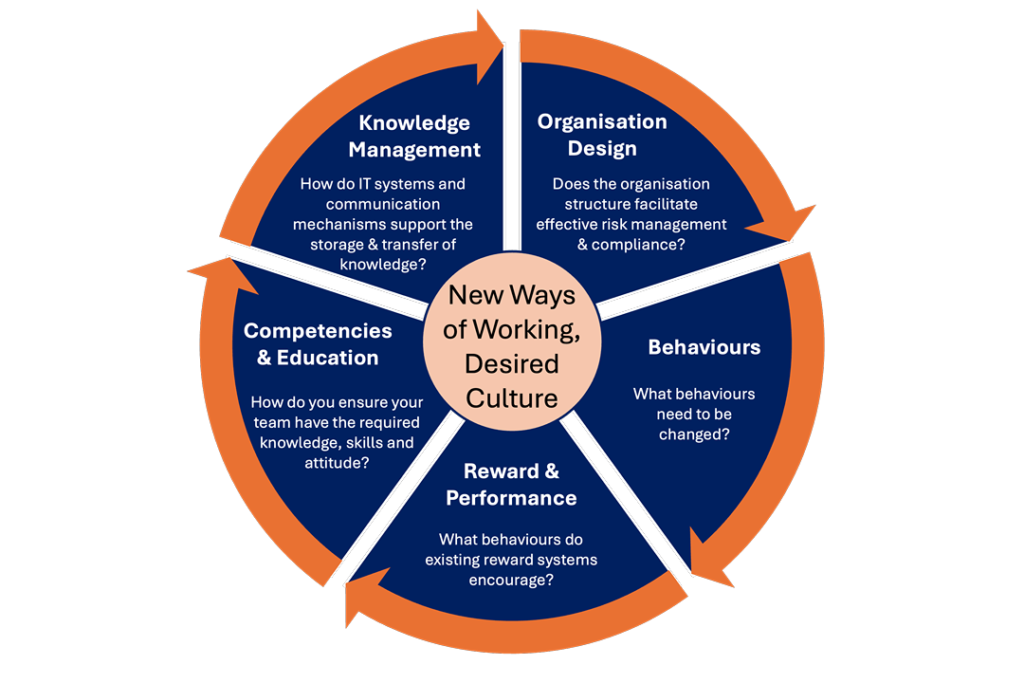
Figure 4 Key Levers for Changing Culture in Change Delivery
5. Involve Employees in the Transition
Engaging employees in the integration process – such as through workshops to redesign roles or business processes – can foster a sense of ownership and commitment. When employees feel valued and involved, they are more likely to stay, even if financial incentives are limited. This approach also helps surface concerns and ideas that can smooth the transition.
“No one likes change being done to them. Involving employees from the start means they are much more likely to be invested in the changes that need to happen. Done well it assists the transition team in understanding what the real impacts are likely to be from a ground up perspective – what people want to see change, and where their red lines are.
Failure to involve employees is more likely to arouse resistance and in extreme cases even sabotage of changes throughout the process”. Louise Holloway, HR & Development Director
6. Clarify Career Development Opportunities
Employees need to see a future for themselves in the new organisation. Providing clear career paths, leadership development programs, and opportunities for skill-building demonstrates a commitment to their growth and reduces the risk of attrition. Organisations that neglect career development often lose not only top performers but also the broader talent pool, as engagement and morale decline.
7. Monitor and Adapt
Retention strategies must be dynamic. Regular employee surveys, focus groups, and feedback mechanisms allow organisations to gauge sentiment, identify emerging risks, and adjust their approach as needed. This ongoing monitoring ensures that retention efforts remain relevant and effective throughout the integration process.
Practical Lessons from the Field
Experience matters. Organisations that have undergone multiple acquisitions often refine their retention strategies over time. For example, a UK HR software provider reduced its post-acquisition attrition from 10% to almost zero by investing in robust onboarding, clear communication, and personalised support for new employees. This demonstrates that learning from past mistakes and continuously improving retention processes can yield significant results.
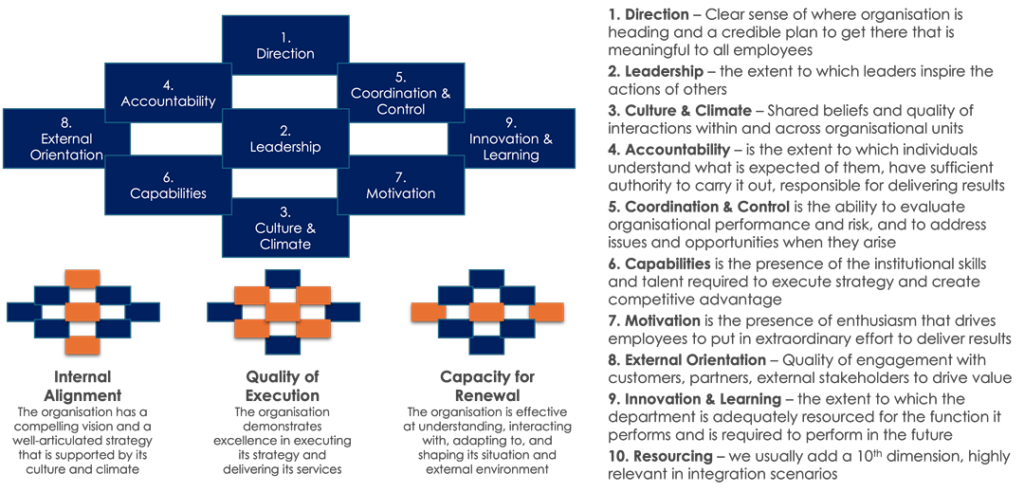
Figure 5 Organisational Health: Core elements at enterprise and functional levels
Conclusion
Staff retention is not a peripheral concern in M&A – it is a central pillar of deal success. While financial metrics, operational synergies, and market positioning often take the spotlight, it is people who ultimately deliver on the value of the transaction. As this article has shown, high attrition rates – especially among critical talent – can erode integration momentum, destabilise leadership, and undermine long-term business continuity.
Organisations that succeed in retaining talent post-M&A take a deliberate, people-first approach: they identify key roles early, build tailored retention plans, address cultural integration head-on, and communicate with clarity and purpose. More than that, they involve employees in shaping the future and show clear pathways for development within the new organisation.
In short, retention is not just about reducing exits – it’s about building engagement, trust, and alignment during a time of uncertainty. The companies that get this right are those that treat retention not as a reactive HR task, but as a strategic enabler of transformation, growth, and sustainable success.