
Introduction
Transforming Uncertainty into Strategic Confidence
As expert practitioners with extensive experience advising on and delivering mergers and acquisitions (M&A) in the financial services (FS) sector, we have witnessed firsthand how technology has evolved from a supporting function to a core driver of deal value.
In wealth management, insurance, and retail banking, technology due diligence (DD) and post-close integration are now as critical to realising synergies as balance-sheet quality or cost efficiencies. Yet, many firms underestimate these elements, resulting in write-offs, regulatory penalties, and unrealised value.
This article outlines the unique technology challenges in FS deals and provides a structured roadmap for successfully planning and executing integration – illustrated through sector-specific cases.
Why Technology DD is Different in Financial Services
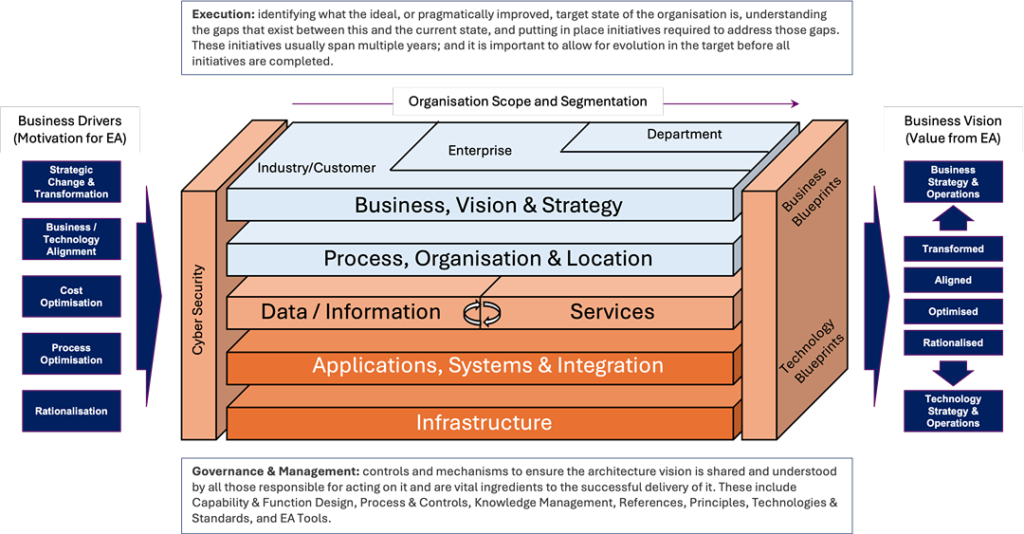
Figure 1 Namaste Technology Enterprise Architecture Considerations in Due Diligence
In FS, technology is deeply intertwined with the regulated operating model. Core processes – such as know-your-customer (KYC) checks in retail banking, claims processing in insurance, or portfolio rebalancing in wealth management – are governed by systems, data flows, and third-party vendors.
Post-close discoveries of issues like outdated core platforms, unstable integrations, or inadequate cybersecurity can directly affect capital reserves, customer satisfaction, and regulatory oversight. The sector’s complexity is heightened by legacy systems that have persisted for decades, extensive outsourcing arrangements, and layered regulations covering conduct, operational resilience, data privacy (e.g., GDPR or CCPA), and anti-money laundering.
Moreover, many FS deals are driven by technology theses: acquiring digital tools for client engagement, advanced analytics for risk modelling, or scalable platforms to expand market reach. When technology underpins both the investment rationale and primary risks, superficial IT assessments – often limited to red/amber/green flags – fall short. Instead, DD must rigorously test the target’s tech stack against the acquirer’s strategic goals, quantifying potential integration costs and timelines early.
Common Failure Modes in Financial Services TEchnology DD
Recurring pitfalls in FS transactions often stem from incomplete assessments. Acquirers frequently overlook technical debt in core systems, such as end-of-life software, rigid batch processes, or custom code without documentation, as management focuses on visible digital enhancements like mobile apps. In retail banking and insurance, where ledger and policy systems date back 20-30 years, this can inflate integration costs and delay synergies.
Cybersecurity and data privacy risks are another common blind spot, often reduced to compliance checklists rather than strategic evaluations. Undisclosed breaches or weak controls can trigger fines and reputational harm; for instance, advisory reports cite cases where post-close discoveries necessitated expensive remediation, diverting resources from growth. Additionally, vendor dependencies and cloud readiness are under-scrutinized, leading to surprises in scalability or compliance during integration.
| Underestimating Technical Debt | Incomplete Cybersecurity & Resilience Management | Vendor & Cloud-Readiness Blind Spots |
|---|---|---|
| Acquirers frequently overlook deeply embedded challenges such as: | Cyber DD is still conducted as a “checklist exercise.” Missing elements include: | Many FS players underestimate: |
| End-of-life core banking or policy systemsBatch-based overnight processingCustom codebases with missing documentationLimited API availability | Breach incident forensicsThreat modellingRegulatory mapping (e.g., DORA impact) | Vendor lock-in implicationsInconsistent SLAs across geographiesCloud readiness, especially for regulated workloads |
| These challenges often multiply integration costs and extend timelines by years. | Gaps discovered post-close can force unplanned capex and delay integration. | This often results in scalability or compliance challenges during integration. |
Sector-Specific Challenges
Wealth Management
- Fragmented technology estates from serial acquisitions
- Data sitting across multiple portfolio systems
- Variations in model portfolio construction tools
- Legacy CRM stacks and manual middle-office processes
The major risk: prolonged dual-platform running, which inflates cost-income ratios and frustrates advisors.
Insurance
- Highly customised policy administration systems
- Embedded actuarial models with limited documentation
- Long-tail liabilities requiring pristine data lineage
- Heavy reliance on third-party administrators
Target data quality or actuarial model integrity issues can materially impact post-close capital requirements.
Retail Banking
- High-risk core migrations, especially when merging payments infrastructure
- Resilience obligations under operational risk and conduct regulation
- Complex product catalogues (cards, loans, deposits, mortgages)
Misaligned data mappings or cutover missteps can trigger regulatory investigations.
Sword Group Case Example: Accelerate Acquisition Pace and Scale
A growing UK financial services company needed to bring its digital and IT capabilities to Enterprise-grade to support a larger-scale, accelerated pace of acquisition. This modernisation programme needed to be run in parallel with new acquisition integration to ensure zero business impact. Motivated by new funding from a major international investment firm, the firm needed a less complex and more secure, resilient and innovation-ready digital platform to drive faster integration and increase their ROI opportunities from new acquisitions.
Challenges: dual programme execution, integration simplification, data platform modernisation, and the capacity and capability to acquire at a much faster pace and large scale. The solution involved mapping digital requirements, IT licensing consolidation, phased integration and Interim Operating Model design, and data platform modernisation to improve access to customer insights, simplify IT infrastructure integration, and reduce digital solution complexity resulting in higher revenue growth per customer.
Key Dimensions of Robust Technology DD
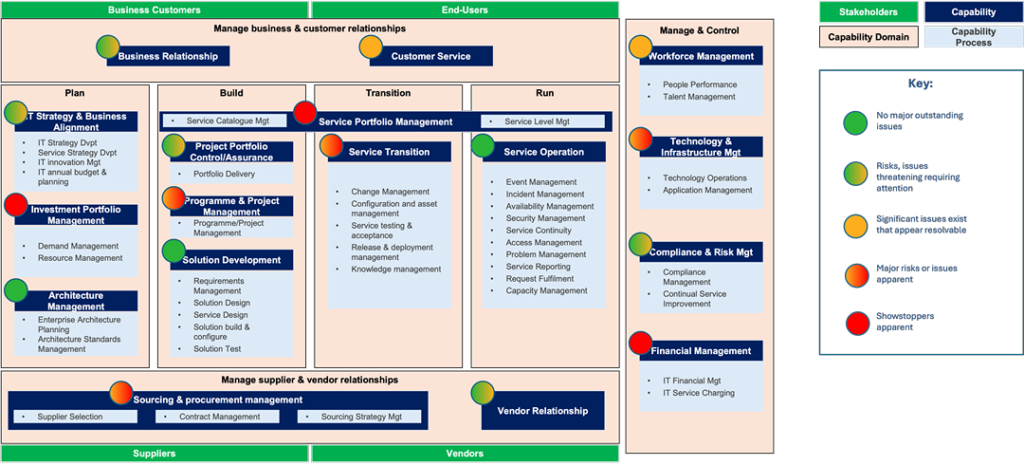
Figure 2 Namaste Example Technology Capability Heatmap
Top FS investors now frame technology DD as a validation of the deal thesis, not just risk mitigation. Essential dimensions include:
- Architecture & Technical Debt Assessment
- Data Quality, Lineage & Model Governance
- Cybersecurity, Resilience & Regulatory Mapping
- Scalability, Vendor Contracts & Cloud Readiness
- Delivery Model, Engineering Maturity & Talent
- Integration Complexity, Costs & Synergy Realism
The emphasis is on feasibility: Can the target’s tech enable the business plan within budgeted costs, timelines, and regulatory bounds?
An effective method anchors DD to value drivers, such as client migrations in wealth deals or product launches in insurance. This involves scenario modelling for capital expenditures (capex), operating expenses (opex), and timelines, stress-testing against real-world constraints. For instance, evaluating cloud readiness and AI potential ensures alignment with long-term growth.
Case Example: Consolidating Wealth Platforms
A mid-sized wealth manager, after multiple roll-ups, faced escalating costs from disparate platforms. A holistic review revealed opportunities for standardisation on an end-to-end model, including middle-office automation and cloud migration. The transformation, structured in five phases – from operating model design to full asset conversion – addressed legacy inefficiencies in workflows, product development, and IT infrastructure.
Challenges included high Opex from fragmented processes and limited scale. Outcomes: 25% cost savings through automation, centralised controls, and reduced booking centres, enabling market expansion and client acquisition. This case underscores how pre-deal DD on platform convergence could have accelerated consolidation, avoiding prolonged dual running.
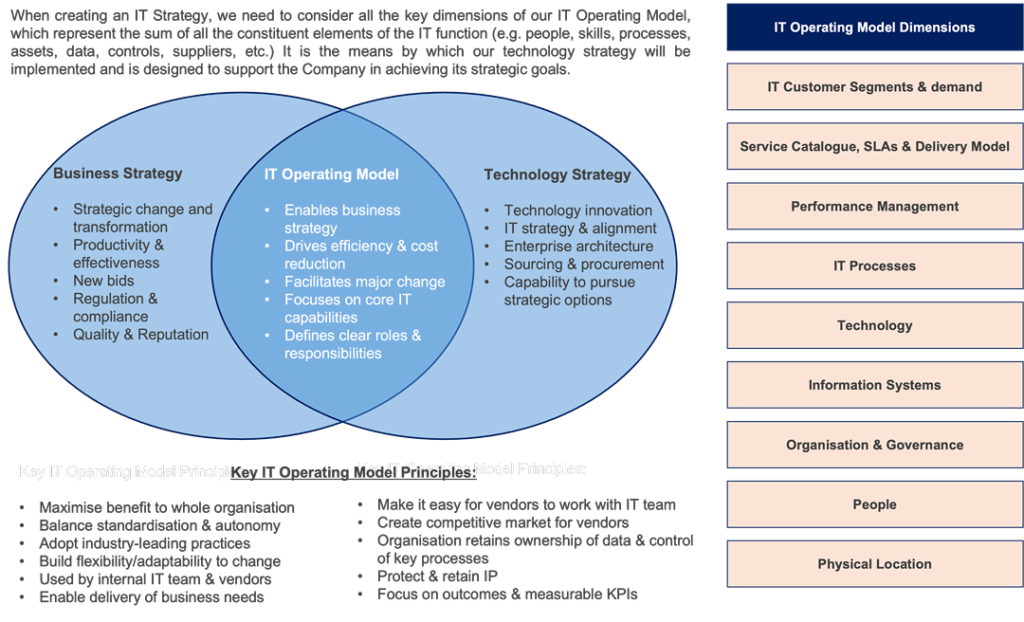
Figure 3 Namaste IT Operating Model Overview
Case Example: Integrating a Wealth Book into a Global Bank
In another instance, a large European wealth manager consolidated multiple legacy stacks into a single open platform for discretionary portfolios. Driven by regulatory shifts banning fund commissions, the migration supported mass customisation via model portfolios from internal or third-party managers.
Challenges: Complex entities and demand for personalisation at scale. The solution involved digital journeys, fee structures, and third-party integrations, yielding over 50% uplift in net asset inflows per advisor within two years. This highlights data migration mastery – reconciling fund structures and real-time syncing – as pivotal in wealth integrations, beyond mere system merging.
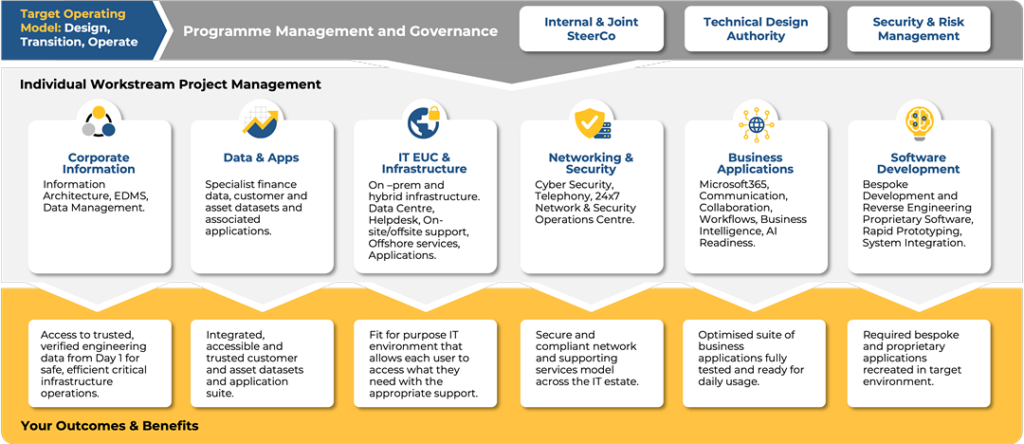
Figure 4 Sword Group Transition Operating Model Overview
Case Example: Retail Banking Integration Challenges
The 2023 UBS-Credit Suisse merger, one of the largest in banking history, exemplifies retail banking integration hurdles. UBS absorbed Credit Suisse’s Swiss unit, facing massive data and client migrations amid legacy system overlaps. Challenges included integration expenses (50% Opex rise in Q3 2023), headcount reductions falling short of targets, and forensic analysis of IT hardware for compliance.
Successes: A phased approach with test migrations (e.g., in Asia) ensured progress, focusing on stability and regulatory alignment. UBS’s CEO noted it as a “case study” for big-bank mergers, emphasising early tech assessments to refine valuations and strategies. This illustrates planning for reverse integrations and data factories to minimize risks.
Case Example: Core Systems Transformation in Insurance
Migrating from legacy systems enabled new products, self-service, and efficiency, adding $50M in premiums and cutting processing times by 20%.
Challenges: Lengthy timelines (18+ months) and legacy migrations. Success factors: Cloud adoption for agility and third-party integrations, highlighting how DD on data quality and rating engines prevents post-close complications in acquired books.
How to Successfully Plan and Execute Post-Close Technology Integration
This is the section most FS firms underestimate – and where the biggest failures occur.
Below is a framework overview for execution excellence.
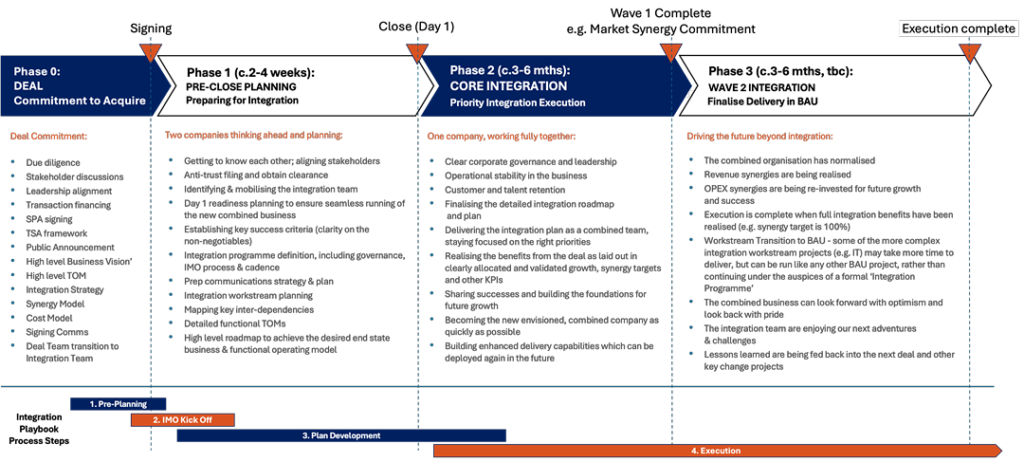
Figure 5 Namaste Key M&A Activities through Transaction Phases
1. Start Integration Planning During DD (Not Post-Close)
High-performing FS acquirers establish an Integration Management Office (IMO) before signing, with:
- Preliminary target operating model (TOM)
- Technology integration blueprint
- High-level sequencing of system migrations
- Candidate end-state architectures
- Early view on required regulatory approvals
Early TOM design avoids “hope-based synergies” and ensures deal modelling reflects real integration costs.
2. Build an Integration Blueprint Anchored on Value and Risk
A robust blueprint defines:
a. Platform Strategy & Rationalisation
- Decide early: converge onto buyer’s platform, target’s platform, or hybrid?
- Estimate decommissioning timelines and stranded cost impacts.
b. Data Integration & Migration Strategy
This is often the single largest determinant of success. Include:
- Data inventory & remediation
- Master data management (MDM) strategy
- Migration waves (low-criticality → high-criticality)
- Golden sources & lineage validation
- Regulatory reporting continuity
c. Regulatory and Compliance Guardrails
Cross-border FS deals often require:
- Data residency planning
- Operational resilience mapping
- Supervisory pre-approval for client migrations
- Interim operating state documentation
d. Customer-Impact Minimisation
Define:
- Cutover “quiet periods”
- Communication plans for advisors, brokers, customers
- Reconciliation playbooks to avoid account-level mismatches
e. Talent, Culture, and Delivery Model Alignment
Integration programs fail due to:
- Poor leadership alignment
- Differing engineering cultures (agile vs. waterfall)
- Lack of incentives for collaboration
A tailored people strategy – focusing on key engineers, architects, and operational SMEs – is non-negotiable.
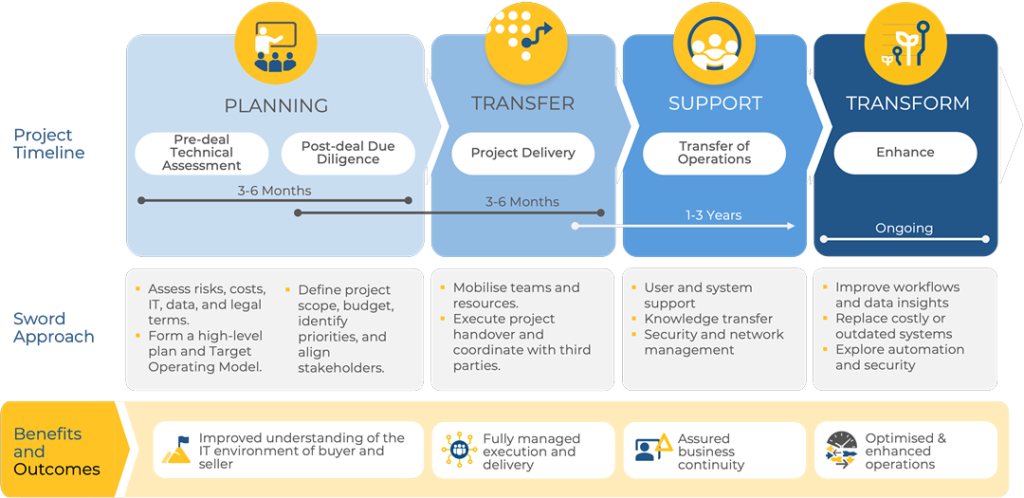
Figure 6 Sword Group M&A Framework Approach
3. Execute the Integration as a Multi-Year Transformation Program
Effective FS integrations operate like enterprise transformations, with:
a. Dedicated Leadership & Governance
- CTO-level sponsor
- Integration PMO
- Cross-functional squads (Tech, Ops, Risk, Compliance, Finance)
- Decision rights and escalation paths
b. Phased Migration & Parallel Testing
Avoid “big bang” migrations unless absolutely necessary. Consider:
- Dual-running with KPI-based exit criteria
- Dry runs with synthetic and real data
- Blue/green deployments for client-facing apps
- Fallback playbooks aligned to resilience regulation
c. Stabilisation First, Optimisation Second
Focus initially on:
- Platform stability
- Client experience protection
- Regulatory compliance
Only then pursue:
- Automation
- Cloud acceleration
- Advanced analytics
- New product launches
d. Hardwire Integration with Financial Synergy Tracking
Build line-of-sight between:
- Platform rationalisation
- Opex reduction
- Cost-to-income improvements
- Revenue uplift (e.g., advisor productivity, cross-sell)
The strongest FS acquirers track synergies monthly with executive visibility.
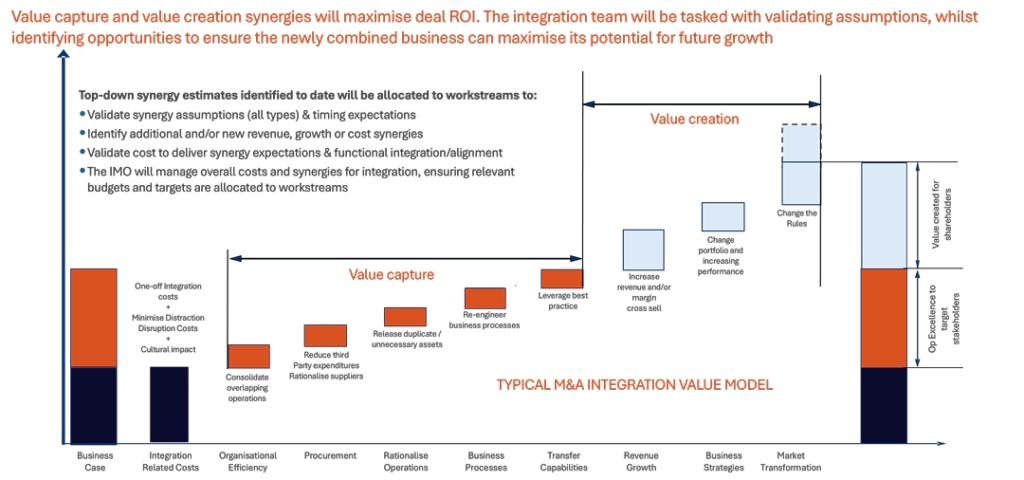
Figure 7 Namaste Synergy Value Capture & Creation
4. Strengthen Risk Management Throughout Integration
FS integrations carry unique risks:
- Data corruption
- Payment processing failures
- Mispriced insurance policies
- Incorrect advisory fees
- Breach of client suitability rules
A robust risk framework includes:
- Pre- and post-migration control testing
- Conduct risk mapping
- Operational resilience war-gaming
- Privacy and data retention compliance
For heavily regulated businesses, integrate Compliance and Regulatory Affairs directly into the IMO.
Practical Success Factors for Post-Close Integration
Successful executions share traits:
- Dedicated Leadership: Run integration as a transformation program with executive oversight and funding.
- Stability & Compliance Prioritisation: Structure cutovers with testing, fallbacks, and compliance focus to avoid disruptions. Regulators expect risk-neutral conversions – not innovation-led migrations.
- Data Strategy Investment: Harmonise models, build migration pipelines, and resolve lineage early. Data quality and lineage determine migration success more than system consolidation.
- People and Process Alignment: Train staff, standardise procedures, and embed controls for operational gains. Technology integration fails when people integration lags. Training, incentives, and process redesign matter as much as platform decisions.
- Early Vendor & Third-Party Management: Contract harmonisation, SLA alignment, and exit planning are often overlooked but critical.
In banking, a good framework – forming cross-functional leaders, defining tech strategies, and optimising data migration – mitigates retail complexities. For wealth, dedicated experts analyse stacks post-announcement, combining best elements (e.g., one bank’s trust tools with another’s core).
A Playbook for FS Buyers
Adopt this structured approach:
- Origination: Tie the deal thesis explicitly to technology capabilities and convergence opportunities.
- DD Phase: Use cross-functional DD teams (tech, cyber, ops, risk, data) to quantify integration feasibility, cost, and timing.
- Pre-Signing: Develop a preliminary integration blueprint and TOM to refine synergy expectations and valuation.
- Post-Close: Launch an Integration Management Office to translate DD insights into an executable strategy, backed by clear metrics and regulatory alignment.
This disciplined method distinguishes deals that close from those delivering enduring value in wealth, insurance, and retail banking.
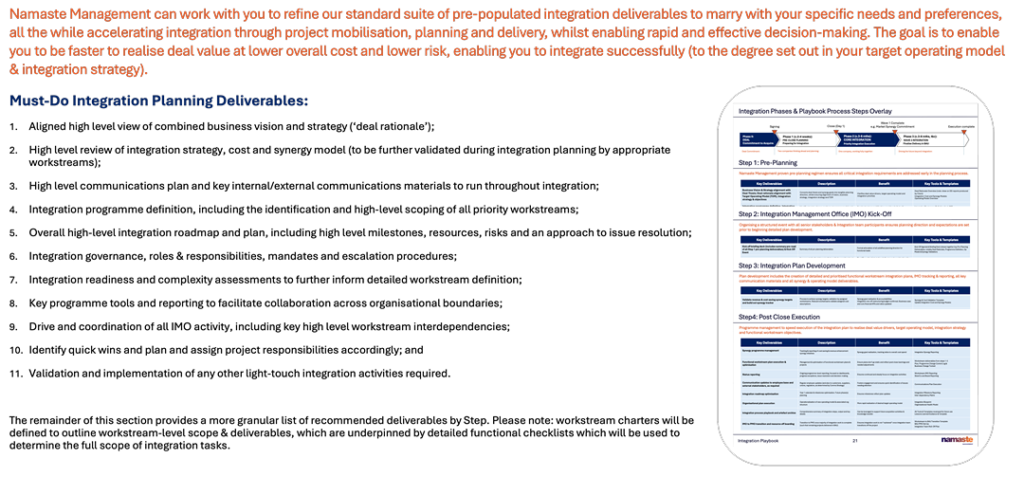
Figure 8 Namaste Example Integration Deliverables Overview from Namaste Management
The FS acquirers who unlock lasting value are those who treat technology DD and integration not as an IT exercise, but as the central pillar of deal strategy and execution. Wealth management, insurance, and retail banking integrations succeed when technology is embedded into commercial planning, regulatory alignment, and cultural integration from day one.
Further Reading
You can explore further related articles here:
- Delivering Growth in the Financial Services industry
- Navigating the Digital Frontier: Pressing Challenges & Strategic Responses for CIOs
- Global M&A Outlook for 2026
- The Strategic Imperative of Due Diligence in M&A (Part 1)
- Integration Readiness Planning & TOM Design in Due Diligence Phase (Part 2)
- Mastering Effective Operational & ESG Due Diligence in M&A
- Building a Repeatable & Sustainable M&A Buy and Build Capability
- Acquisition Integration Challenges: Navigating the Complexities
- How to Maximise the Value from your M&A Advisors
- Overcoming the staff retention challenge in M&A deals
- Post-Merger Integration: A Health Check Review
- The Role of Leadership & Change Management in M&A
Click here for more about Namaste Management
Click here for more about Sword Group