
Introduction
Bridging the Gap from Deal Conception to Value Realisation
In our previous article, The Strategic Imperative of Due Diligence in M&A, we argued that due diligence is not a procedural checkpoint but a strategic audit that transforms uncertainty into actionable intelligence. We highlighted how effective diligence uncovers risks, validates synergies, and ensures alignment with the buyer’s strategic goals.
This sequel builds directly on that foundation. Where due diligence validates the “what is,” integration readiness planning and Target Operating Model (TOM) design anticipate the “what next.” They convert diligence findings into executable strategies that enable and accelerate Day 1 readiness and long-term value creation.
Integration readiness planning evaluates the feasibility of merging operations, cultures, and systems, while TOM design outlines a high-level blueprint for the combined entity’s future state. Together, they ensure that the investment thesis established during diligence can actually be realised in practice.
Conducting these activities concurrently with due diligence allows acquirers to identify synergies, quantify integration costs, and mitigate post-close disruptions – potentially unlocking 20-30% more value than deals where integration is an afterthought.
Case Example – Global Industrials Deal
A European manufacturer acquiring a U.S. supplier identified €75M in procurement synergies during diligence. However, integration readiness analysis revealed staggered supplier contracts with punitive exit clauses. Armed with this insight, the buyer negotiated a €25M price reduction and avoided a major post-close disappointment.
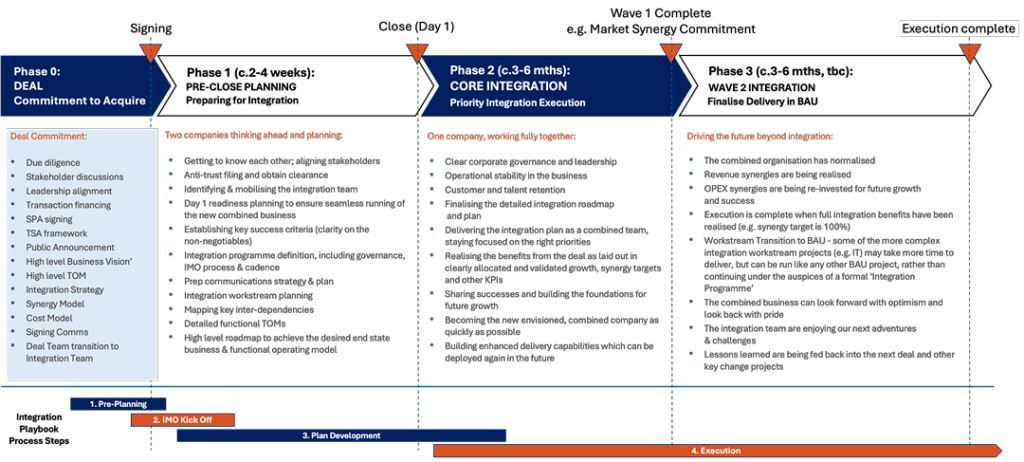
Figure 1 Key Activities to Complete during Each Phase of the Transaction
1. Preparation Phase: Building Integration into the Due Diligence Engine
The first article emphasised the importance of scope definition, cross-functional teams, and customised request lists in diligence. Integration readiness builds on this by embedding forward-looking considerations at the outset.
- Define Integration Objectives Aligned to Deal Thesis
As diligence objectives must align with deal strategy, integration objectives must connect explicitly to value drivers such as cross-selling, cost take-out, or geographic expansion. Each should have quantified metrics, timelines, and confidence ratings.
Case Example – Healthcare Services Roll-Up:
An acquirer pursuing a clinic roll-up defined integration objectives around patient experience and compliance, not just cost savings. This shifted diligence requests to include clinical governance and patient satisfaction data, ensuring TOM design reinforced regulatory credibility and brand reputation.

Figure 2 Value Capture and Value Creation Synergy Model
- Stand-Up an Integration Management Office (IMO)
In the first article, we noted the risk of fragmented diligence without a programme management function. The same applies here: an IMO ensures continuity from diligence into execution.
- Embeds integration experts into diligence streams.
- Identifies integration-sensitive risks (e.g., contract structures, IT dependencies) in real time.
- Shapes Day 1 priorities early, while buyer leverage remains strongest.
Case Example – SaaS Acquisition:
During diligence, the IMO discovered the target’s sales compensation model front-loaded commissions, creating cash-flow volatility. Early flagging allowed finance to model transitional buffers and negotiate contract restructuring as part of the SPA.
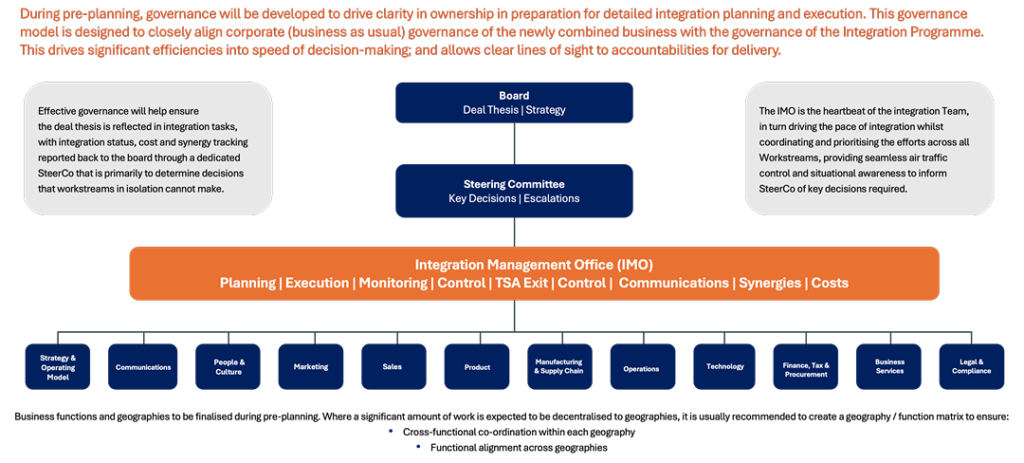
Figure 3 Namaste Management IMO Governance Model
- Develop a Preliminary TOM “Strawman”
Just as the earlier article recommended a tailored diligence checklist, integration teams use diligence findings to sketch a directional TOM, covering:
- Governance: Will the target CEO run autonomously or integrate fully?
- Commercial Model: Unified branding vs. multi-brand strategy?
- Operating Backbone: Which functions centralise on Day 1? Which phase later?
- Culture: What cultural traits must be preserved?
Case Example – FMCG Carve-Out:
A consumer goods carve-out lacked standalone HR and IT, previously delivered by the parent. By mapping this early, the acquirer negotiated robust TSAs and budgeted stand-up costs into the model, avoiding post-close paralysis.
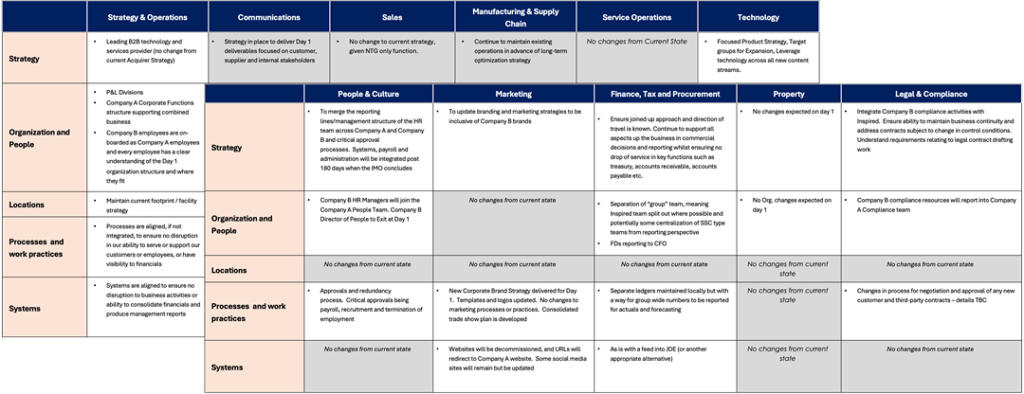
Figure 4 Example Day 1 Operating Model Analysis across all Business Functions
- Integration Risk Appetite Assessment
The first article stressed aligning diligence with deal strategy and risk appetite. Here, buyers must ask: do we have the muscle to execute a complex integration, or should we pursue a phased/bolt-on approach?
Case Example – Cross-Border Banking Deal:
A global bank realised full integration would trigger regulatory delays and cultural pushback. By clarifying risk appetite, it pursued a dual-brand strategy for three years, trading some synergies for speed to market.
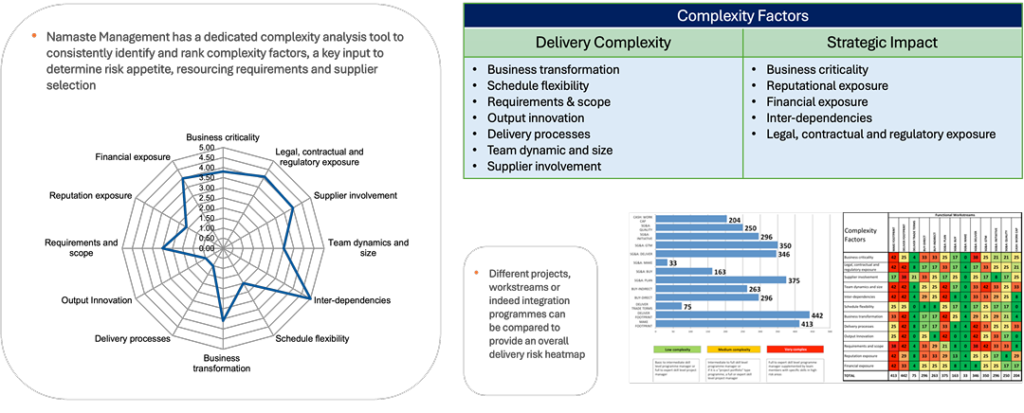
Figure 5 Namaste Management Integration Risk & Complexity Analysis
2. Information Gathering: Integration-Focused Diligence
The first article outlined systematic data collection across governance, financials, operations, HR, and IT. Integration diligence extends that scope, focusing on interoperability and Day 1 readiness.
- Organisation & Culture
- Collect demographics, leadership assessments, and cultural diagnostics.
- Identify differences in decision-making style, incentives, and values.
Case Example – Engineering Firm Acquisition:
Diligence revealed the target prized decentralised autonomy, while the acquirer was control oriented. Integration analysis highlighted risk of attrition among senior engineers, prompting TOM design that preserved R&D autonomy while centralising shared services.
- Operational Processes
- Map end-to-end workflows.
- Identify “keystone processes” essential for Day 1 continuity (e.g., payroll, invoicing).
Case Example – Logistics Merger:
Two logistics providers had different invoicing cycles (30 vs. 60 days). Without harmonisation, Day 1 would have yielded conflicting bills. Integration diligence flagged the issue, and TOM design included harmonised billing within 60 days of close.

Figure 6 Namaste Management High-Level Process Areas by Business Function
- Technology & Data
- Inventory systems, licensing structures, and integration feasibility.
- Assess data quality, interoperability, and cybersecurity maturity.
Case Example – Fintech Acquisition:
The target’s payment engine was hosted on a cloud vendor not approved in the acquirer’s jurisdiction. Early identification allowed renegotiation of licensing rights and inclusion of vendor migration as a condition precedent.
- Financials & Synergies
- Use function-level costs to validate synergy assumptions.
- Model one-off integration costs (system migrations, severance, rebranding).
Case Example – Retail Deal:
Headline supply chain synergies of $40M were cut to $25M once warehouse lease exit fees were factored in. Adjusting during diligence avoided overpayment.
- Stakeholder Perspectives
- Conduct structured interviews to uncover hidden dependencies.
- Test assumptions around customer, employee, or vendor reliance.
Case Example – Industrial Services Buyout:
Interviews revealed 70% of contracts were tied to relationships with three managers nearing retirement. Retention packages and succession planning became Day 1 priorities in the TOM.
3. Analysis & Evaluation: From Data to Integration Insights
In the earlier article, we showed how diligence translates raw data into financial, legal, operational, and strategic insights. Integration readiness takes this one step further: stress-testing integration feasibility.
- Synergy Validation
- Validate cost and revenue synergies against contractual, cultural, and operational realities.
Case Example – Telecom Consolidation:
Projected $150M marketing synergies were halved after diligence showed long-term contracts prevented cost elimination for 3 years.
- Integration Risk Profiling
- Rank risks by impact, probability and proximity.
Case Example – Energy Sector Deal:
Compliance regime integration was flagged as high risk. The acquirer elevated safety harmonisation to its top Day 1 priority, protecting reputation and workforce.

Figure 7 Example Integration Risk Analysis
- TOM Blueprinting
- Translate diligence findings into high-level TOM design.
Case Example – B2B Software Merger:
The TOM unified sales under one brand but preserved separate product roadmaps for 18 months, balancing innovation speed with go-to-market synergies.
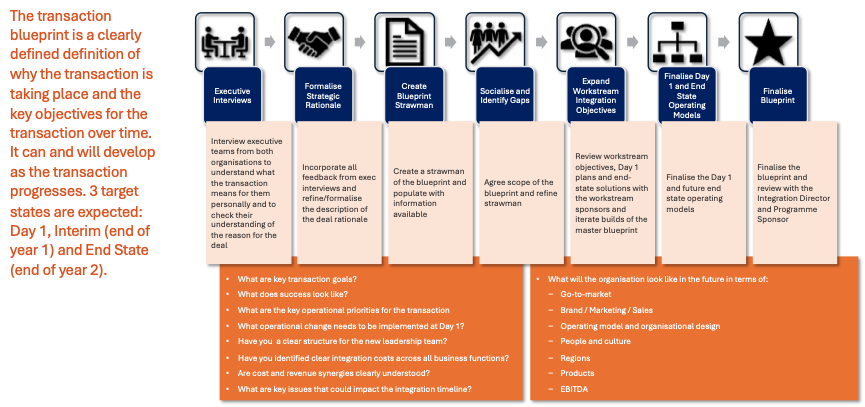
Figure 8 Transaction (TOM) Blueprint Process
- Scenario Modelling
- Develop multiple integration pathways.
Case Example – Retail Bank Acquisition:
Three TOM options were tested: full, phased, and standalone. The phased model captured 70% of synergies in 12 months with minimal customer disruption.
For more detail, see these articles:
- Effective Operational & ESG Due Diligence in M&A
- Acquisition Integration Challenges
- Target Operating Models – Key Components & Challenges
4. The Integration & TOM Checklist
The first article presented a diligence checklist across core domains. Here we extend it into integration-specific considerations (TSA scope, Day 1 critical processes, system migrations).
Case Example – Pharma Acquisition:
While diligence confirmed regulatory compliance, integration checks flagged inconsistent R&D KPI definitions. TOM design harmonised reporting to ensure consistent trial governance.
| Area | Critical Components | Integration Considerations |
| Strategic Alignment | Deal thesis validation, synergy targets, market positioning | Ensure TOM supports long-term goals like innovation or expansion. |
| Organisational Structure | Org charts, leadership roles, spans of control | Design hybrid structures to retain talent and minimise disruption. |
| Culture and People | Values assessment, retention plans, training needs | Plan change management to bridge cultural gaps. |
| Operations and Processes | Workflow mapping, supply chain integration, quality controls | Identify quick wins for process harmonisation. |
| Technology and IT | System compatibility, data migration plans, cybersecurity alignment | Budget for interim solutions like TSAs in carve-outs. |
| Finance and Reporting | Accounting policies, budgeting processes, KPI dashboards | Standardise reporting for Day 1 compliance. |
| Legal and Compliance | Contract reviews, regulatory approvals, risk transfer mechanisms | Incorporate warranties for integration-related liabilities. |
| Synergies and Value Capture | Cost/revenue modelling, integration cost estimates, tracking mechanisms | Link to TOM for realistic phasing (e.g., 6-18 months). |
Note: Adapt this checklist for deal specifics, such as industry regulations or cross-border complexities.
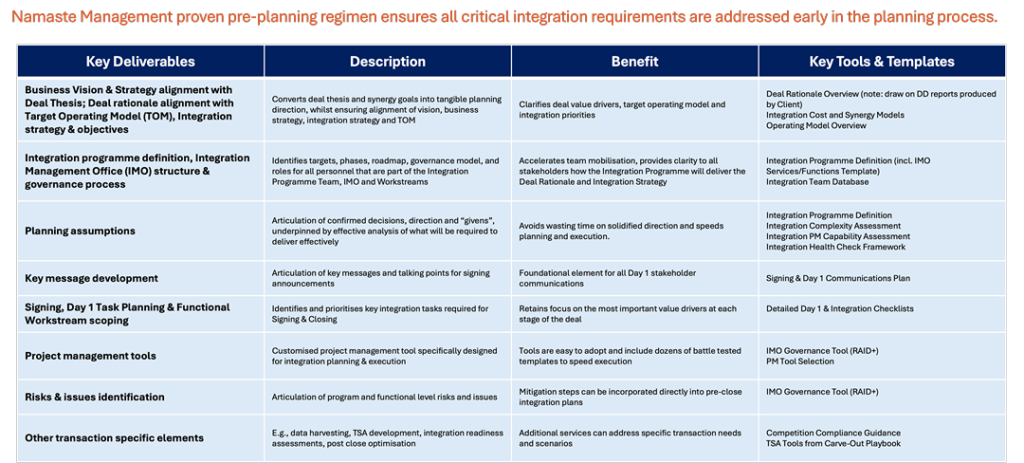
Figure 10 Namaste Management Integration Pre-Planning Deliverables during Diligence Phase
5. Best Practices & Pitfalls
The earlier article highlighted best practices like customising the approach, prioritising by risk, and cross-functional debriefs. These remain relevant but must be expanded for integration.
Best Practices:
- Integrate early: Embed IMO in diligence streams.
- Iterate TOMs: Use agile modelling.
- Quantify everything: Attach cost/timing to all TOM assumptions.
- Engage stakeholders: Build buy-in and surface hidden challenges.
- Leverage technology: Digital twins and AI for integration simulation.
Pitfalls:
- Siloed diligence/integration.
- Over-optimistic synergy assumptions.
- Cultural blind spots.
- Under-resourcing IMO.
- Rigid TOMs that can’t flex.
Case Example – Failed Media Merger:
Despite rigorous financial diligence, 40% sales attrition occurred due to ignored cultural differences, wiping out projected revenue synergies.
Special Case: Carve-Out Acquisitions
The first article devoted special attention to carve-outs. Integration readiness here is critical:
- Standalone Readiness: Test parent dependencies.
- TOM Customisation: Stand up HR, IT, Finance.
- Talent & Culture: Address morale and retention.
- Tech Separation: Plan data/system clones pre-close.
Case Example – Chemicals Carve-Out:
Diligence flagged stranded costs; integration modelling revealed IT separation required 24 months. Buyer negotiated extended TSA coverage and budgeted $40M for standalone systems.
For more detail, see this article on key Carve-Out Challenges
Conclusion: Due Diligence as the First Integration Workstream
Together, the two articles provide a complete picture:
- Part 1: Diligence validates the deal, identifies risks, and surfaces opportunities (The Strategic Imperative of Due Diligence in M&A).
- Part 2 (this article): Integration readiness and TOM design ensure those insights are executable, enabling Day 1 continuity and long-term value capture.
Case Example – Tech Growth Acquisition:
A PE fund used diligence-phase TOM design to model three integration scenarios. This foresight enabled 85% of synergies to be captured in 12 months, contributing to a 2.5x exit multiple within four years.
In today’s environment, diligence that ends with validation is incomplete. The winners treat diligence as the first integration workstream, embedding TOM design and readiness planning to bridge intent and execution.
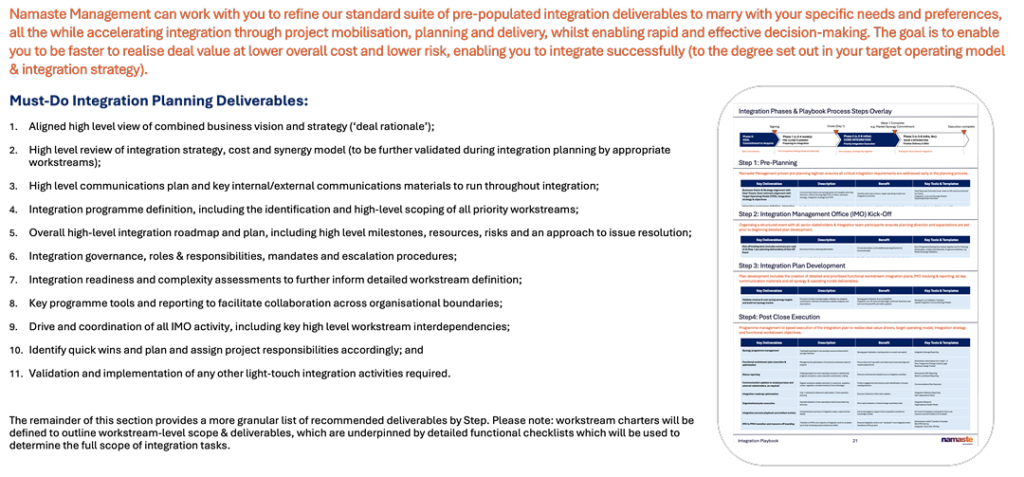
Figure 11 Namaste Management Integration Playbook Deliverables
Follow these links to find key Namaste Management Assets:
- M&A Integration Playbook
- M&A Carve Out Playbook
- M&A Functional Integration Checklist
- M&A Integration Programme Complexity Tool
- M&A Integration Synergy Model
- M&A Integration Cost Model
- M&A IMO Governance Tool
- Business Case Template
- Business Change Strategy & Plan
- Business Culture Guidance
- Business Function / Process Taxonomy
- Workstream or Project Charter Template
- Programme Health Check Tool